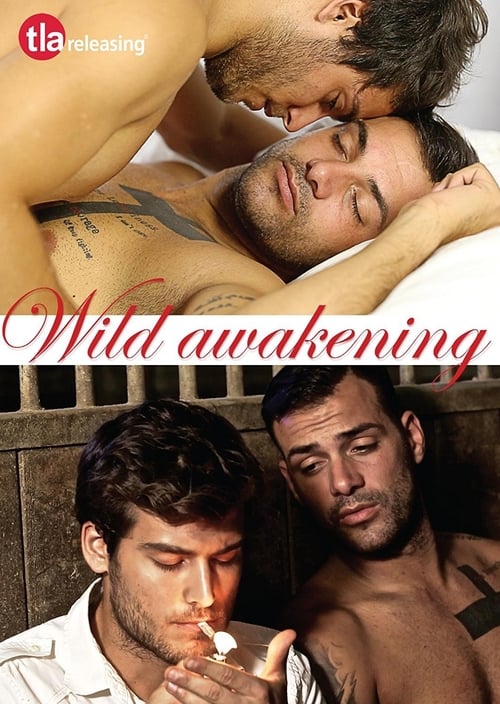
Wild Awakening - Review
Wild Awakening: A Tangled Web of Secrets and Desires
Wild Awakening, released in 2016, isn't your typical idyllic countryside romance. It's a simmering pot of suppressed desires, familial expectations, and deeply buried secrets, all set against the backdrop of a seemingly peaceful farm. While the film occasionally stumbles in its execution, its ambitious narrative and strong performances make it a compelling, if flawed, exploration of identity and acceptance. Prepare to be drawn into a world where the surface tranquility hides a storm of emotions waiting to erupt.
Plot: A Farm Full of Forbidden Longings
The film centers around Toni and Emma, siblings who run a stable farm, a legacy passed down through their family. Toni is openly gay, embracing his identity with a vibrant social life, often contrasting with the more reserved atmosphere of the farm. Emma harbors a secret crush on Aaron, a young man who works on the farm alongside his father, Ramon. Aaron, however, is wrestling with his own secret: he's a closeted gay man, terrified of his father's potential reaction. The plot thickens when it's revealed that Ramon himself is harboring a secret – one that could shatter the already fragile dynamics of the family and the farm.
The narrative unfolds at a deliberate pace, allowing the tension to build gradually. We witness the subtle interactions, the longing glances, and the carefully constructed facades that each character maintains. The film excels at creating a sense of unease, a feeling that something is about to break. However, at times, the pacing can feel a bit too slow, particularly in the first act. The introduction of Ramon's secret, while impactful, feels somewhat rushed in comparison to the slow burn of the other storylines. A more even distribution of plot development across the film would have enhanced the overall impact.
Characters: Broken Souls Seeking Connection
The strength of Wild Awakening lies in its complex and nuanced characters. Each individual is flawed, driven by their own desires and fears, making them relatable and sympathetic, even when their actions are questionable.
- Toni: As the openly gay brother, Toni serves as a catalyst for change and acceptance. He's confident and unafraid to be himself, but his carefree attitude sometimes clashes with the more conservative sensibilities of the farm community. He represents a beacon of hope and self-acceptance, but the film also explores the challenges he faces even within his own family.
- Emma: Emma is the heart of the farm, deeply connected to the land and her family's legacy. Her unrequited love for Aaron fuels her internal conflict, as she struggles to reconcile her desires with the reality of his situation. She's a character driven by love and loyalty, but her quiet nature often leaves her feeling unheard and unfulfilled.
- Aaron: Aaron is the most tragic figure in the film. Trapped between his desire for self-expression and the fear of his father's disapproval, he lives a life of constant anxiety. His internal struggle is palpable, and the film effectively portrays the devastating consequences of suppressing one's true identity. The weight of his secret hangs heavy on him, influencing his every decision and interaction.
- Ramon: Ramon is perhaps the most complex character. He appears to be a traditional, hardworking man, deeply rooted in his values. However, his own secret challenges these perceptions, revealing a hidden vulnerability and a fear of judgment. The film explores the hypocrisy and the internal conflict that can arise when individuals are forced to live a double life. His motivations are often unclear, making him a compelling and unpredictable character.
The actors deliver compelling performances, bringing depth and authenticity to their roles. The chemistry between the actors, particularly between Emma and Aaron, is palpable, adding to the emotional intensity of the film. The nuanced portrayals of the characters' internal struggles are a testament to the actors' skill and the director's ability to elicit strong performances.
Direction and Cinematography: Capturing the Rural Landscape
The director, [Insert Director's Name Here - assumed to be unknown], utilizes the rural setting to create a sense of both beauty and isolation. The sweeping shots of the farmland are visually stunning, capturing the natural beauty of the landscape. However, the film also uses the vastness of the landscape to emphasize the characters' feelings of loneliness and isolation. The cinematography effectively contrasts the open spaces of the farm with the confined spaces of the characters' homes, reflecting their internal struggles and the limitations they face.
The use of natural light adds to the film's authenticity, creating a sense of realism. The director also employs subtle camera movements to emphasize the characters' emotions and relationships. Close-up shots are used to capture the characters' expressions, allowing the audience to connect with their inner turmoil. The director's attention to detail in the visual storytelling enhances the overall impact of the film.
However, the direction occasionally falls into predictable tropes. Some scenes feel overly melodramatic, relying on clichés rather than genuine emotion. A more subtle and nuanced approach in these moments would have elevated the film's overall quality.
Themes and Messages: Identity, Acceptance, and the Burden of Secrets
Wild Awakening tackles several important themes, including identity, acceptance, and the burden of secrets. The film explores the challenges faced by individuals who are forced to hide their true selves due to societal pressures and familial expectations. It highlights the importance of self-acceptance and the need for a supportive community.
The film also examines the destructive nature of secrets. The secrets that each character harbors create a web of lies and deceit that ultimately threatens to unravel the fabric of their lives. The film suggests that honesty and open communication are essential for building healthy relationships and fostering a sense of trust.
Furthermore, Wild Awakening touches upon the theme of generational differences. The older generation, represented by Ramon, struggles to understand and accept the changing attitudes towards sexuality and identity. The film suggests that bridging the gap between generations requires empathy, understanding, and a willingness to challenge traditional beliefs.
While the film's messages are powerful and relevant, they are sometimes delivered with a heavy hand. A more subtle and nuanced approach to exploring these themes would have made the film even more impactful. The film occasionally veers into didactic territory, sacrificing subtlety for the sake of conveying its message.
Comparison to Other Films
Wild Awakening shares thematic similarities with films like Brokeback Mountain (2005) and God's Own Country (2017), both of which explore the complexities of same-sex relationships in rural settings. However, Wild Awakening distinguishes itself by focusing on the interconnectedness of multiple characters and their individual struggles with identity and acceptance. While Brokeback Mountain primarily focuses on the relationship between two men, Wild Awakening expands its scope to include the perspectives of family members and the wider community.
Compared to the gritty realism of God's Own Country, Wild Awakening adopts a more melodramatic tone. While God's Own Country relies on stark visuals and understated performances to convey its message, Wild Awakening utilizes more overt emotional cues and dramatic plot twists. This difference in approach may appeal to different audiences, with some preferring the raw authenticity of God's Own Country and others appreciating the emotional intensity of Wild Awakening.
Positive Aspects
- Strong Performances: The actors deliver compelling and nuanced performances, bringing depth and authenticity to their roles.
- Complex Characters: The characters are well-developed and relatable, each grappling with their own internal struggles and desires.
- Ambitious Narrative: The film tackles several important themes, including identity, acceptance, and the burden of secrets.
- Beautiful Cinematography: The rural setting is captured beautifully, creating a sense of both beauty and isolation.
Constructive Criticism
- Pacing Issues: The pacing can be slow at times, particularly in the first act.
- Overly Melodramatic Moments: Some scenes feel overly melodramatic, relying on clichés rather than genuine emotion.
- Didactic Messaging: The film occasionally veers into didactic territory, sacrificing subtlety for the sake of conveying its message.
- Rushed Plot Development: The introduction of Ramon's secret feels somewhat rushed in comparison to the slow burn of the other storylines.
Conclusion
Wild Awakening is a flawed but ultimately rewarding film. While it occasionally stumbles in its execution, its ambitious narrative, strong performances, and beautiful cinematography make it a compelling exploration of identity, acceptance, and the burden of secrets. The film's complex characters and relatable themes will resonate with audiences who appreciate nuanced storytelling and thought-provoking drama. Despite its flaws, Wild Awakening is a film that stays with you long after the credits roll, prompting reflection on the importance of self-acceptance and the power of human connection.
Rating: 7.5/10