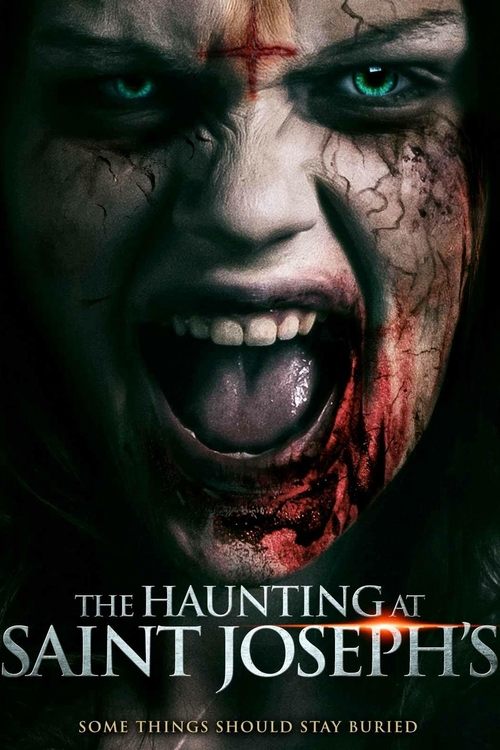
The Haunting at Saint Joseph's - Review
The Haunting at Saint Joseph's: A Review of Religious Trauma and Psychological Horror
In the realm of horror, where jump scares and gore often reign supreme, "The Haunting at Saint Joseph's" attempts a different kind of terror. Released in 2023, this film delves into the psychological breakdown of a group of friends vacationing at a seemingly idyllic guesthouse, unaware of its dark and sacrilegious past. While the premise promises a chilling exploration of religious trauma and the power of suggestion, the execution, unfortunately, stumbles in places, leaving the audience with a mixed bag of unsettling atmosphere and frustrating narrative choices. Is "The Haunting at Saint Joseph's" a worthwhile addition to the horror genre, or does it succumb to its own haunting flaws? Let's delve deeper.
Plot: A Slow Burn with a Fickle Flame
The film centers around Sarah, a dedicated Muslim doctor, and her fiancé, Omar, along with their close-knit group of friends, seeking a relaxing getaway at St. Joseph's Guesthouse. The setting, a converted former religious site, is immediately imbued with a sense of foreboding. The guesthouse's history, shrouded in whispers of a centuries-old sacrifice of an innocent, begins to seep into the group's psyche. As their stay progresses, unsettling events begin to unfold, subtly at first, then escalating into full-blown psychological torment. The friends find themselves increasingly on edge, their emotions amplified, and their relationships strained to the breaking point. Sarah, grounded and rational at the beginning, becomes particularly susceptible to the guesthouse's influence, leading her to question her sanity and her faith.
The initial pacing is deliberately slow, aiming to build suspense and create an atmosphere of unease. The film excels at creating a sense of isolation and paranoia, using the remote location and the guesthouse's oppressive architecture to heighten the feeling of dread. However, this slow burn often feels too sluggish, leaving the audience waiting for a payoff that, when it arrives, feels somewhat anticlimactic. The film struggles to maintain a consistent level of tension, with periods of intense psychological horror interspersed with scenes that feel drawn out and unnecessary. The plot's reliance on ambiguity, while initially intriguing, eventually becomes frustrating as key plot points remain underdeveloped and unexplained. The historical context of the sacrifice is only vaguely explored, leaving the audience wanting more information about the event that supposedly curses the guesthouse.
Characters: Driven by Emotion, Lacking Depth
The characters in "The Haunting at Saint Joseph's" are primarily defined by their emotional responses to the guesthouse's influence. Sarah, the protagonist, is initially presented as a strong and independent woman, deeply rooted in her faith and her career. However, as the haunting intensifies, she becomes increasingly vulnerable and erratic, questioning her own perceptions and succumbing to paranoia. Omar, her fiancé, serves as a voice of reason, attempting to ground Sarah and dismiss the supernatural occurrences as mere coincidences. However, his skepticism is often portrayed as dismissive, creating friction between him and Sarah and hindering their ability to confront the haunting together.
The supporting characters, while contributing to the overall dynamic of the group, are largely underdeveloped. They serve primarily as catalysts for conflict, their individual anxieties and insecurities amplified by the guesthouse's influence. While their emotional breakdowns are believable and often unsettling, their lack of backstory and individual motivations makes it difficult to truly connect with them. The film misses an opportunity to explore the diverse perspectives and experiences of the characters, particularly in relation to their faith and their cultural backgrounds. A deeper exploration of these aspects could have added layers of complexity to the characters and enriched the overall narrative.
Direction and Cinematography: Atmospheric but Inconsistent
The director demonstrates a clear understanding of atmospheric horror, effectively utilizing the guesthouse's eerie architecture and the surrounding landscape to create a sense of dread. The use of shadows, dimly lit interiors, and unsettling sound design contributes significantly to the film's overall atmosphere of unease. The camera work is often deliberately unsettling, employing slow pans, close-ups, and distorted perspectives to disorient the viewer and amplify the feeling of paranoia.
However, the direction and cinematography are not without their flaws. The pacing, as mentioned earlier, is often inconsistent, leading to moments of tedium that detract from the overall suspense. The reliance on jump scares, while effective in some instances, feels overused and ultimately undermines the film's attempts to create a more nuanced and psychological form of horror. The visual effects, particularly those depicting the supernatural occurrences, are sometimes unconvincing, detracting from the film's overall credibility. The cinematography, while generally effective, occasionally suffers from a lack of clarity, particularly in the dimly lit scenes, making it difficult to discern what is happening on screen.
Performances: A Mixed Bag of Intensity
The performances in "The Haunting at Saint Joseph's" are a mixed bag, with some actors delivering compelling and nuanced portrayals of their characters, while others struggle to fully embody the emotional depth required by the script. The actress playing Sarah delivers a particularly strong performance, effectively conveying her character's descent into madness and her struggle to maintain her sanity in the face of the guesthouse's influence. Her portrayal is both believable and unsettling, drawing the audience into her character's internal turmoil.
The actor playing Omar, while competent, sometimes struggles to convey the emotional complexity of his character. His portrayal of skepticism often comes across as dismissive, hindering his ability to connect with the audience and creating a sense of detachment. The supporting cast delivers generally solid performances, but their lack of character development limits their ability to truly shine. The performances are ultimately hampered by the script's inconsistencies and its failure to fully explore the characters' individual motivations and backstories.
Themes and Messages: Religious Trauma and the Power of Suggestion
"The Haunting at Saint Joseph's" attempts to explore several complex themes, including religious trauma, the power of suggestion, and the fragility of the human psyche. The film suggests that the guesthouse's dark history, steeped in religious violence and sacrilege, has left an indelible mark on the building and its surroundings, creating a breeding ground for psychological torment. The characters' susceptibility to the haunting is attributed to their individual vulnerabilities and their pre-existing anxieties, which are amplified by the guesthouse's oppressive atmosphere.
The film also touches upon the theme of faith, exploring the ways in which religious beliefs can both provide solace and create conflict. Sarah's faith, initially a source of strength and guidance, becomes a source of doubt and uncertainty as she grapples with the guesthouse's influence. The film raises questions about the nature of belief, the power of suggestion, and the potential for religious institutions to inflict harm. However, the film's exploration of these themes is often superficial, lacking the depth and nuance required to fully engage with these complex issues. The film's message is ultimately ambiguous, leaving the audience to draw their own conclusions about the nature of the haunting and its impact on the characters.
Comparison to Similar Films: A Blend of Influences
"The Haunting at Saint Joseph's" draws inspiration from a variety of sources within the horror genre. Its exploration of religious trauma and the haunting of a former religious site evokes comparisons to films like "The Exorcist" and "The Conjuring," although it lacks the visceral intensity and supernatural spectacle of those films. Its focus on psychological horror and the breakdown of relationships within a confined space is reminiscent of films like "The Shining" and "Session 9." However, "The Haunting at Saint Joseph's" lacks the masterful storytelling and character development that elevate those films to classic status.
Compared to previous works by the director (if applicable, insert director's name and relevant films), "The Haunting at Saint Joseph's" represents a (improvement/step back/similar style). (Elaborate and provide specific examples). Similarly, for actors, compare their performance in this film to previous roles, highlighting similarities and differences in their acting style and range.
Positive Aspects: Atmospheric Dread and Nuanced Performances
Despite its flaws, "The Haunting at Saint Joseph's" possesses several redeeming qualities. The film's atmospheric dread is undeniably effective, creating a sense of unease that lingers long after the credits roll. The guesthouse's eerie architecture and the surrounding landscape are beautifully captured, contributing significantly to the film's overall sense of foreboding. The nuanced performances of some of the actors, particularly the actress playing Sarah, elevate the film beyond its narrative shortcomings. The film's attempt to explore complex themes, such as religious trauma and the power of suggestion, is commendable, even if the execution is not entirely successful.
Constructive Criticism: Pacing Issues and Underdeveloped Characters
However, "The Haunting at Saint Joseph's" is ultimately hampered by its pacing issues, underdeveloped characters, and inconsistent narrative. The slow burn often feels too sluggish, leaving the audience waiting for a payoff that never fully materializes. The characters, while emotionally believable, lack depth and individual motivations, making it difficult to truly connect with them. The film's reliance on ambiguity, while initially intriguing, eventually becomes frustrating as key plot points remain unexplained. The visual effects are sometimes unconvincing, detracting from the film's overall credibility. A more focused narrative, a deeper exploration of the characters' backstories, and a more consistent level of tension would have significantly improved the film's overall impact.
Conclusion and Rating
"The Haunting at Saint Joseph's" is a film with potential that ultimately falls short of its ambitions. While it succeeds in creating an atmosphere of dread and exploring complex themes, its pacing issues, underdeveloped characters, and inconsistent narrative detract from its overall impact. The film is worth watching for its atmospheric qualities and the nuanced performances of some of the actors, but viewers should be prepared for a slow burn that may not ultimately deliver on its promises. It's a film that tantalizes with intriguing ideas but lacks the polish to truly haunt.
Rating: 5.5/10