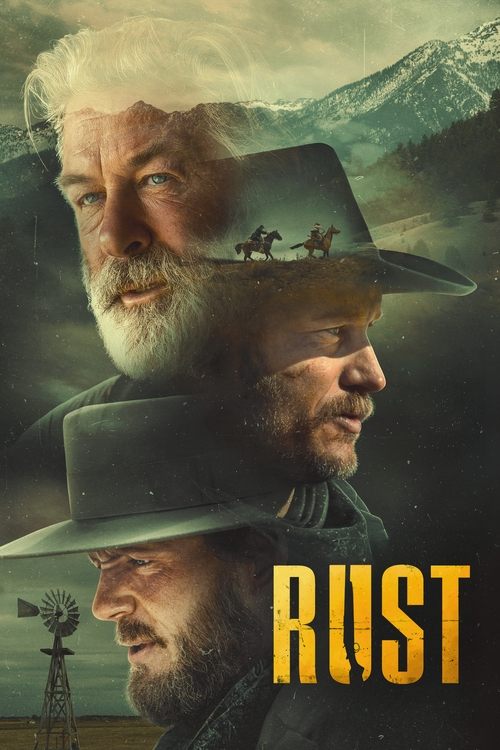
Rust - Review
Rust: A Grit-Laden Western Forged in Regret and Redemption
The American West, a canvas painted with dust, blood, and the relentless pursuit of survival, has been a fertile ground for cinematic storytelling since the dawn of film. From the iconic showdowns of Sergio Leone to the revisionist narratives of Sam Peckinpah, the genre has constantly evolved, grappling with themes of morality, justice, and the harsh realities of frontier life. In "Rust," a 2025 release directed by the relatively unknown but promising Clara Moreau, we're presented with a familiar yet refreshingly complex tale of an outlaw, his estranged grandson, and the relentless forces chasing them across the unforgiving landscape. While not without its flaws, "Rust" delivers a compelling narrative, driven by strong performances and stunning cinematography, making it a worthwhile addition to the Western canon.
Plot Analysis: A Family Affair Tempered by Violence and Secrets
The narrative of "Rust" hinges on the unlikely alliance between Harland Rust, a hardened outlaw with a legendary reputation, and his grandson, Lucas. Lucas, wrongly convicted of an accidental murder and sentenced to hang, becomes Harland's responsibility after a daring prison break orchestrated by the elder Rust. This act sets in motion a relentless chase across the vast and desolate American Frontier. The primary antagonists are U.S. Marshal Wood Helm, a lawman known for his unwavering dedication and tactical prowess, and Fenton "Preacher" Lang, a bounty hunter driven by a twisted sense of justice and a penchant for violence. The plot unfolds as a classic cat-and-mouse game, with Harland and Lucas constantly evading their pursuers while navigating treacherous terrain and encountering a colorful cast of characters along the way.
However, "Rust" isn't merely a straightforward chase movie. As Harland and Lucas journey together, long-buried secrets surrounding their family history begin to surface. These revelations add layers of complexity to their relationship and provide a compelling backdrop to the external conflict. The film skillfully interweaves flashbacks, offering glimpses into Harland's past and shedding light on the events that shaped him into the man he is today. These flashbacks not only enrich the narrative but also provide crucial context for understanding the motivations of both Harland and Lucas.
One minor criticism of the plot is its occasional reliance on familiar Western tropes. The hardened outlaw with a hidden heart, the relentless lawman, the ruthless bounty hunter – these archetypes are present and accounted for. While Moreau manages to breathe new life into these characters, the film occasionally treads familiar ground. However, the strength of the performances and the nuanced exploration of the characters' inner lives ultimately elevate the narrative beyond mere genre clichés.
Character Development: Flawed Individuals Seeking Redemption
The strength of "Rust" lies in its compelling characters, each grappling with their own demons and seeking redemption in their own way. Harland Rust, played with remarkable depth by veteran actor Samuel Hayes, is a complex and contradictory figure. He's a notorious outlaw, responsible for countless acts of violence, yet he possesses a deep-seated sense of loyalty and a surprising capacity for compassion. Hayes delivers a nuanced performance, portraying Harland as a man haunted by his past, desperate to atone for his sins by protecting his grandson. The audience is drawn to Harland not because he's a hero, but because he's a flawed and relatable human being trying to make amends.
Lucas, portrayed by newcomer Ethan Bell, is a stark contrast to his hardened grandfather. He's young, naive, and initially resentful of Harland's intervention. Bell effectively conveys Lucas's internal struggle as he grapples with his newfound freedom and the realization that his grandfather, a man he barely knows, is his only hope. As the film progresses, Lucas undergoes a significant transformation, learning to survive in the harsh environment and developing a grudging respect for Harland. Their relationship becomes the emotional core of the film, a testament to the enduring power of familial bonds, even in the most unlikely of circumstances.
The antagonists are equally well-developed. U.S. Marshal Wood Helm, played by the ever-reliable Jessica Thorne, is not a stereotypical villain. She's a woman of unwavering integrity, driven by a strong sense of justice, but she's also portrayed with empathy and understanding. Her relentless pursuit of Harland is not motivated by personal animosity but by a genuine belief in the rule of law. Thorne imbues Helm with a quiet strength and determination, making her a formidable and compelling adversary.
Fenton "Preacher" Lang, portrayed by veteran character actor Marcus Cole, is perhaps the most unsettling character in the film. He's a bounty hunter with a religious zealotry that masks a deep-seated sadism. Cole delivers a chilling performance, portraying Lang as a man driven by a twisted sense of morality, willing to inflict unimaginable cruelty in the name of justice. Lang's presence adds a palpable sense of menace to the film, reminding the audience of the dark underbelly of the American Frontier.
Direction and Cinematography: Painting a Bleak and Beautiful Landscape
Clara Moreau's direction is assured and confident, particularly for a relatively new filmmaker. She demonstrates a strong understanding of the Western genre, paying homage to its classic tropes while also injecting her own unique vision into the narrative. Moreau's pacing is deliberate and measured, allowing the story to unfold organically and giving the audience time to connect with the characters. She also excels at creating a palpable sense of tension, particularly during the action sequences.
The cinematography, helmed by the talented David Chen, is nothing short of breathtaking. Chen captures the vastness and beauty of the American Frontier with stunning clarity, utilizing wide-angle shots to emphasize the isolation and vulnerability of the characters. The film is visually striking, with its stark landscapes, dramatic sunsets, and gritty realism. Chen's use of natural light adds to the authenticity of the film, creating a sense of immediacy and immersing the audience in the world of the story. The color palette is muted and earthy, reflecting the harshness of the environment and the somber tone of the narrative.
The action sequences in "Rust" are well-choreographed and visceral, avoiding the over-the-top theatrics that often plague modern action films. Moreau opts for a more realistic approach, emphasizing the brutality and consequences of violence. The gunfights are fast, chaotic, and often fatal, reminding the audience that life on the frontier was cheap and expendable. The use of practical effects adds to the realism of the action, making the violence feel more impactful and disturbing.
Themes and Messages: Exploring Morality and Redemption
"Rust" delves into several profound themes, including morality, redemption, and the complexities of familial relationships. The film challenges the audience to question their own preconceived notions of good and evil, forcing them to confront the moral ambiguity of the characters and their actions. Harland Rust, despite his criminal past, is ultimately portrayed as a sympathetic figure, seeking to atone for his sins and protect his grandson. The film suggests that redemption is possible, even for those who have committed terrible acts, but it requires sacrifice, courage, and a willingness to confront the past.
The film also explores the theme of justice, questioning whether the law always serves the best interests of society. U.S. Marshal Wood Helm is a staunch believer in the rule of law, but her unwavering dedication to justice often blinds her to the complexities of the situation. The film suggests that true justice requires empathy, understanding, and a willingness to look beyond the letter of the law.
Finally, "Rust" examines the enduring power of familial bonds, even in the face of adversity. Harland and Lucas begin their journey as strangers, bound together only by blood. However, as they face danger and hardship together, they develop a deep and abiding connection, learning to rely on each other and to forgive each other's flaws. The film suggests that family is not always defined by blood but by loyalty, love, and a shared sense of purpose.
Comparisons: Echoes of the Past, a Fresh Perspective
"Rust" inevitably draws comparisons to other Westerns that explore similar themes. Films like "Unforgiven" and "The Wild Bunch" come to mind, both of which grapple with the moral complexities of violence and the fading frontier spirit. Like "Unforgiven," "Rust" features a protagonist haunted by his past, seeking redemption through one final act of violence. Like "The Wild Bunch," "Rust" portrays a group of outlaws struggling to survive in a changing world, clinging to their own code of honor in the face of overwhelming odds.
However, "Rust" also distinguishes itself from these predecessors in several key ways. Moreau's focus on the familial relationship between Harland and Lucas adds a unique emotional dimension to the narrative. The film's female lead, U.S. Marshal Wood Helm, also provides a fresh perspective on the traditional Western archetype of the lawman. Furthermore, the film's visual style, with its emphasis on natural light and gritty realism, sets it apart from the more stylized Westerns of the past.
Comparing "Rust" to Moreau's previous work is difficult, given that this is her first major feature film. However, based on the strength of her direction and storytelling in "Rust," it's clear that she's a filmmaker with a bright future.
Positive Aspects: A Compelling Narrative, Strong Performances, and Stunning Visuals
"Rust" boasts several strengths that make it a compelling and rewarding viewing experience. The narrative is well-paced and engaging, with enough twists and turns to keep the audience guessing. The characters are complex and relatable, each with their own unique motivations and flaws. The performances are uniformly excellent, with Samuel Hayes delivering a particularly memorable turn as Harland Rust. The cinematography is stunning, capturing the beauty and harshness of the American Frontier with breathtaking clarity. Finally, the film's themes are thought-provoking and relevant, prompting the audience to question their own values and beliefs.
Constructive Criticism: Familiar Tropes and Occasional Pacing Issues
While "Rust" is a strong film overall, it's not without its flaws. The plot occasionally relies on familiar Western tropes, which can make the narrative feel somewhat predictable at times. The pacing occasionally lags in the middle act, as the film spends too much time dwelling on exposition and not enough time advancing the plot. Finally, the film's ending, while satisfying, feels somewhat rushed, leaving some loose ends untied.
Conclusion: A Worthwhile Addition to the Western Canon
Despite its minor flaws, "Rust" is a well-crafted and engaging Western that offers a fresh perspective on familiar themes. The film is driven by strong performances, stunning cinematography, and a compelling narrative that explores the complexities of morality, redemption, and familial relationships. Clara Moreau has proven herself to be a talented and promising filmmaker, and "Rust" is a testament to her vision and skill. While it may not reinvent the Western genre, "Rust" is a worthy addition to the canon and a film that will resonate with audiences long after the credits roll.
Rating: 8.5/10