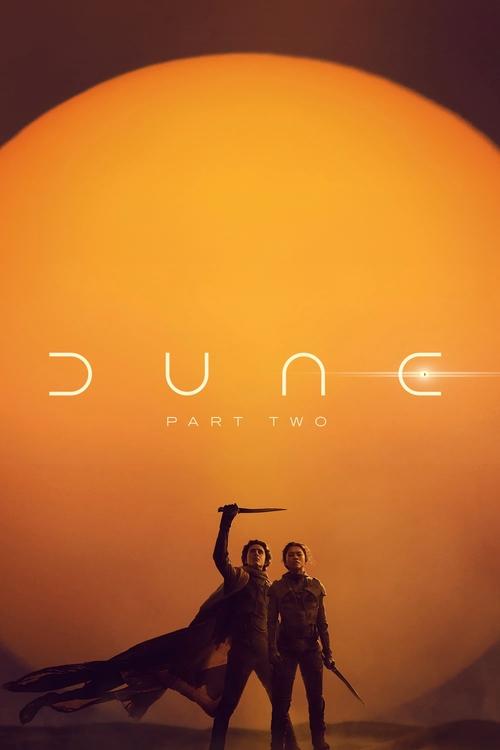
Dune: Part Two - Review
Dune: Part Two – A Sandstorm of Spectacle and Prophecy
Denis Villeneuve’s Dune: Part Two isn't just a sequel; it's a cinematic event. It's a culmination of years of passionate filmmaking, a testament to the power of visual storytelling, and a faithful, yet creatively bold, adaptation of Frank Herbert's seminal science fiction novel. Where Dune: Part One meticulously laid the groundwork, establishing the world of Arrakis and introducing its complex political landscape, Part Two detonates, unleashing a maelstrom of action, intrigue, and profound philosophical questions. This isn't simply a continuation of Paul Atreides' journey; it's a descent into the heart of prophecy, a confrontation with destiny, and a meditation on the seductive and dangerous nature of power.
Plot: From Refugee to Messiah
Dune: Part Two picks up immediately where its predecessor left off, with Paul Atreides (Timothée Chalamet) and his mother, Lady Jessica (Rebecca Ferguson), seeking refuge with the Fremen, the native people of Arrakis. The film meticulously charts Paul's integration into Fremen society, his learning of their customs, and his growing understanding of the harsh realities of life on the desert planet. He embraces the Fremen name "Muad'Dib" and falls deeply in love with Chani (Zendaya), a fierce and independent Fremen warrior.
However, the narrative quickly transcends a simple survival story. Lady Jessica, now a Reverend Mother of the Bene Gesserit, begins to exert a powerful influence on the Fremen, manipulating their deeply ingrained religious beliefs to solidify Paul's position as the prophesied "Mahdi," a messianic figure destined to lead them to freedom. This manipulation, while serving to protect Paul and his lineage, also sets in motion a dangerous chain of events, transforming him into a figure of immense power and, potentially, a harbinger of galactic war.
The film masterfully weaves together several key plot threads. The growing threat of the Harkonnens, now under the ruthless leadership of Feyd-Rautha Harkonnen (Austin Butler), looms large. The Emperor Shaddam IV (Christopher Walken) finally makes his presence felt, revealing his own machinations and desperate attempts to maintain control of Arrakis and its vital spice production. And amidst all the political maneuvering and military conflict, Paul grapples with the terrible visions of the future he sees, visions of a jihad waged in his name, a future he desperately tries to avert, even as his actions seem to inevitably lead him towards it.
The climax of the film is a spectacular battle for Arrakis, a clash between the Fremen, now fiercely loyal to Paul, and the combined forces of the Emperor and the Harkonnens. This battle, both visually stunning and emotionally charged, culminates in Paul's confrontation with the Emperor and his assertion of his claim to the throne, setting the stage for a potentially devastating future.
Characters: Embracing the Shadows
Dune: Part Two allows its characters to evolve in significant and compelling ways, delving into their motivations and complexities.
- Paul Atreides (Timothée Chalamet): Chalamet delivers a nuanced and powerful performance, showcasing Paul's transformation from a reluctant heir into a messianic figure. He brilliantly portrays Paul's internal conflict, his struggle to reconcile his love for Chani with his growing awareness of the terrible power he wields. The film effectively portrays his descent into a figure driven by necessity, even as he recoils from the potential consequences of his actions.
- Chani (Zendaya): Zendaya's Chani is a strong and independent woman, fiercely protective of her people and skeptical of Paul's messianic status. She represents the pragmatic voice of reason, questioning the blind faith that is sweeping across the Fremen. Her relationship with Paul is the emotional heart of the film, and Zendaya portrays her heartbreak and disillusionment with heartbreaking authenticity.
- Lady Jessica (Rebecca Ferguson): Ferguson delivers a chillingly effective performance as Lady Jessica. She embodies the manipulative power of the Bene Gesserit, her unwavering loyalty to her order and her son driving her to make morally questionable choices. She becomes a powerful force within the Fremen community, subtly shaping their beliefs and paving the way for Paul's ascension.
- Feyd-Rautha Harkonnen (Austin Butler): Butler is utterly terrifying as Feyd-Rautha, the sadistic and ruthless heir to the Harkonnen throne. His performance is a masterclass in controlled menace, his chilling demeanor and brutal efficiency making him a formidable antagonist. The black-and-white sequence showcasing his gladiatorial combat is a visual and visceral highlight.
- Emperor Shaddam IV (Christopher Walken): Walken brings a regal and subtly menacing presence to the role of Emperor Shaddam IV. He portrays a ruler clinging to power, desperate to maintain control of his empire in the face of growing threats. While his screen time is limited, Walken makes a lasting impression, embodying the decadence and paranoia of a fading empire.
- Gurney Halleck (Josh Brolin): Brolin returns as Gurney Halleck, Paul's loyal and battle-hardened mentor. He provides a much-needed grounding force, reminding Paul of his responsibilities and offering strategic guidance. Brolin's performance is both stoic and heartfelt, showcasing Gurney's unwavering devotion to the Atreides family.
Direction: Villeneuve's Vision Realized
Denis Villeneuve's direction is nothing short of masterful. He has successfully translated the complex world of Dune to the screen with stunning visual fidelity and a deep understanding of the source material. He doesn't just adapt the story; he immerses the audience in it, creating a visceral and unforgettable cinematic experience.
Villeneuve's attention to detail is remarkable. From the intricate costumes and set designs to the carefully crafted soundscapes, every element of the film feels authentic and meticulously considered. He creates a world that is both alien and believable, a world that is both beautiful and terrifying.
He also demonstrates a remarkable ability to balance spectacle with intimacy. The large-scale battle sequences are breathtaking in their scope and intensity, but Villeneuve never loses sight of the human drama at the heart of the story. He allows the characters to breathe, to express their emotions, and to grapple with the profound moral dilemmas they face.
Villeneuve’s pacing is deliberate and measured, allowing the story to unfold organically. He trusts the audience to engage with the complexities of the narrative, avoiding simplistic exposition and instead relying on visual storytelling and character development to convey the film's themes.
Cinematography: A Feast for the Eyes
Greig Fraser's cinematography is simply breathtaking. He captures the stark beauty of Arrakis with stunning clarity, showcasing the vastness of the desert landscape and the imposing grandeur of the Harkonnen architecture. The use of light and shadow is masterful, creating a visually striking and emotionally evocative atmosphere.
The film's color palette is carefully chosen to reflect the mood and tone of each scene. The warm, golden hues of the desert contrast sharply with the cold, sterile environments of the Harkonnen homeworld. The use of black and white in the Feyd-Rautha sequence is particularly effective, creating a stark and unsettling visual experience.
Fraser's use of camera movement is also noteworthy. He employs sweeping aerial shots to showcase the scale of the landscape, and close-up shots to capture the nuances of the actors' performances. The result is a film that is both visually stunning and emotionally engaging.
Performances: A Stellar Ensemble
The cast of Dune: Part Two delivers exceptional performances across the board. Timothée Chalamet continues to impress as Paul Atreides, capturing the character's vulnerability and growing power with equal skill. Zendaya shines as Chani, bringing a fierce independence and emotional depth to the role. Rebecca Ferguson is chillingly effective as Lady Jessica, embodying the manipulative power of the Bene Gesserit. Austin Butler is a revelation as Feyd-Rautha Harkonnen, delivering a truly terrifying and unforgettable performance.
The supporting cast is equally strong, with Josh Brolin, Javier Bardem, and Stellan Skarsgård all delivering memorable performances. Christopher Walken adds a touch of regal menace to the role of Emperor Shaddam IV, and Léa Seydoux makes a brief but impactful appearance as Lady Margot Fenring.
The chemistry between the actors is palpable, particularly between Chalamet and Zendaya. Their relationship is the emotional heart of the film, and their performances are both nuanced and heartfelt.
Themes and Messages: Power, Prophecy, and Control
Dune: Part Two explores a range of complex themes, including the seductive nature of power, the dangers of blind faith, and the consequences of unchecked ambition. The film raises profound questions about the nature of prophecy, the role of free will, and the potential for individuals to shape their own destinies.
One of the central themes of the film is the dangers of messianic figures. Paul's transformation into the "Mahdi" highlights the potential for charismatic leaders to manipulate and exploit their followers, leading them down a path of destruction. The film cautions against blind faith and encourages critical thinking, urging viewers to question authority and to resist the temptation to blindly follow those who promise salvation.
The film also explores the theme of environmentalism, highlighting the importance of respecting and protecting the natural world. Arrakis, with its harsh desert landscape and precious spice resource, serves as a metaphor for the fragility of our planet and the consequences of unchecked exploitation.
Another key theme is the struggle for control, both on a personal and a political level. The various factions vying for control of Arrakis and its spice represent the constant struggle for power that exists in human society. The film suggests that true freedom lies not in dominating others, but in achieving a balance between individual ambition and collective responsibility.
Comparison to Similar Films/Previous Works
Dune: Part Two inevitably draws comparisons to other epic science fiction films, such as Star Wars and The Lord of the Rings. However, Villeneuve's film distinguishes itself through its greater complexity and its willingness to grapple with difficult moral questions. Unlike the clear-cut morality of Star Wars, Dune presents a world of shades of gray, where even the "good guys" are capable of questionable actions.
Villeneuve's previous works, such as Arrival, Blade Runner 2049, and Sicario, demonstrate his ability to create visually stunning and intellectually stimulating films. Dune: Part Two builds upon these previous successes, showcasing his mastery of visual storytelling and his ability to create immersive and emotionally engaging cinematic experiences.
Austin Butler's performance as Feyd-Rautha has drawn comparisons to other iconic villainous roles, such as Heath Ledger's Joker in The Dark Knight. However, Butler's portrayal is unique in its chillingly calm and controlled menace, setting him apart from previous interpretations of the character.
Positive Aspects
- Stunning Visuals: The cinematography, set design, and visual effects are all top-notch, creating a visually breathtaking and immersive experience.
- Compelling Performances: The cast delivers exceptional performances across the board, bringing the characters to life with nuance and depth.
- Faithful Adaptation: The film remains largely faithful to the source material, capturing the complexity and philosophical depth of Frank Herbert's novel.
- Masterful Direction: Denis Villeneuve's direction is impeccable, balancing spectacle with intimacy and creating a truly unforgettable cinematic experience.
- Thought-Provoking Themes: The film explores a range of complex themes, prompting viewers to question their own beliefs and assumptions.
Constructive Criticism
- Pacing: While the deliberate pacing allows for greater depth and complexity, some viewers may find it slow at times.
- Complexity: The film's complex plot and numerous characters may be challenging for viewers unfamiliar with the source material. While largely self-contained, having seen Part One enhances the experience.
- Ending: The ending, while faithful to the book, may feel somewhat abrupt and unresolved to some viewers, leaving them wanting more (which is, of course, intentional given the planned trilogy).
Conclusion
Dune: Part Two is a triumph of cinematic storytelling. It is a visually stunning, intellectually stimulating, and emotionally engaging film that will stay with you long after the credits roll. While its deliberate pacing and complex plot may not appeal to all viewers, those who are willing to immerse themselves in the world of Arrakis will be rewarded with a truly unforgettable cinematic experience. This is not just a movie; it's an event, a testament to the power of cinema to transport us to other worlds and to challenge our perceptions of reality. Villeneuve has not just adapted a book; he has crafted a masterpiece. The future of the Dune saga on screen looks incredibly promising.
Rating: 9.5/10