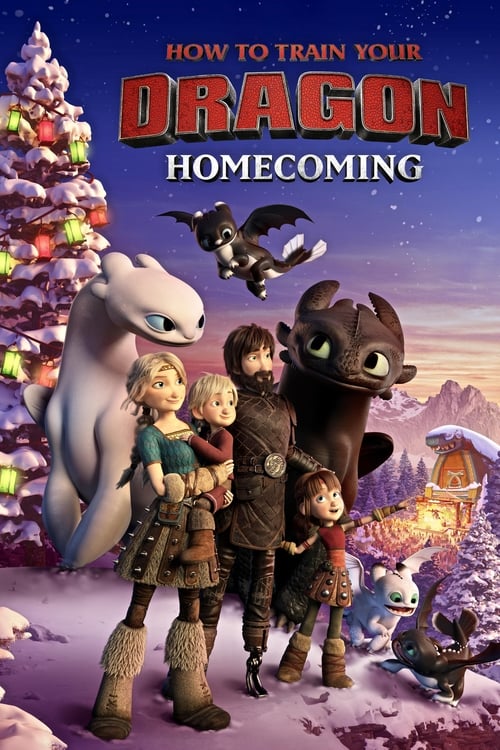
How to Train Your Dragon: Homecoming - Review
How to Train Your Dragon: Homecoming: A Heartwarming Reunion, But a Fleeting One
Ten years have passed since Hiccup made the agonizing decision to release all dragons into the Hidden World, safeguarding them from the ever-present threat of human greed and ignorance. New Berk has flourished, yet a subtle unease simmers beneath the surface. The once-vibrant tales of dragons are fading, replaced by distorted, often fearful, interpretations of the past. In "How to Train Your Dragon: Homecoming," a short film released in 2019, DreamWorks Animation revisits the beloved world, offering a poignant, albeit brief, glimpse into the enduring bond between Vikings and dragons, and the importance of remembering the past to secure a harmonious future. While the film delivers the expected dose of heartwarming moments and stunning animation, its brevity and reliance on familiar tropes prevent it from reaching the heights of its predecessors.
Plot: A Nostalgic Reunion with a Hint of Peril
The plot of "Homecoming" revolves around the preparations for Snoggletog, New Berk’s winter holiday celebrating the bond between Vikings and dragons. However, Hiccup and Astrid soon realize that the younger generation, raised without the direct presence of dragons, are losing touch with the true meaning of the holiday. Their children, Zephyr and Nuffink, are particularly susceptible to misinterpretations fueled by Gobber's well-intentioned, but often exaggerated, Snoggletog play. This leads to a series of misunderstandings and near-disasters, culminating in Zephyr and Nuffink venturing out into the unknown, hoping to find real dragons. Meanwhile, in the Hidden World, Toothless, missing his human companion, decides to lead his family on a secret visit to New Berk, unaware of the potential dangers that await them. The two storylines converge in a predictably emotional reunion, reminding everyone of the enduring power of friendship and understanding.
While the premise is undeniably heartwarming, the plot feels somewhat rushed and predictable. The conflict, stemming from the children's misinterpretations, is resolved rather quickly, and the dragons' return to New Berk lacks the narrative weight it deserves. The film relies heavily on established character dynamics and emotional cues from the previous films, which, while effective in eliciting nostalgia, also limits its ability to carve out a unique identity. The threat to the dragons, while present, feels minimal compared to the dangers faced in the feature-length films, resulting in a less impactful overall narrative arc.
Characters: Familiar Faces, Evolving Relationships
The strength of the "How to Train Your Dragon" franchise lies in its well-developed and relatable characters. "Homecoming" capitalizes on this strength by bringing back the core cast, showcasing their growth and the evolution of their relationships. Hiccup, now a seasoned chief and father, grapples with the responsibility of preserving the legacy of dragons for future generations. His anxieties about his children forgetting the past are palpable and resonate with the universal theme of parental legacy. Astrid, as always, provides a strong and supportive presence, offering practical solutions and unwavering encouragement. Their children, Zephyr and Nuffink, represent the next generation, embodying both the curiosity and the potential for misunderstanding that comes with a lack of direct experience.
Toothless, the Night Fury, remains the heart of the story. His longing for Hiccup and his eagerness to share the joy of flight with his own offspring are beautifully portrayed. The interactions between Toothless and his family, particularly his mate, the Light Fury, and their three adorable hatchlings, are among the film's most endearing moments. The short film also provides a brief glimpse into the lives of other familiar Viking characters, such as Gobber, Snotlout, Fishlegs, Ruffnut, and Tuffnut, each contributing their signature brand of humor and camaraderie. However, their roles are largely relegated to comedic relief, and their individual character arcs remain largely unexplored.
One minor criticism is the limited development of the dragon hatchlings. While visually appealing and undeniably cute, their personalities remain somewhat generic, lacking the distinct quirks and characteristics that made Toothless such a compelling character. This is understandable given the film's short runtime, but it nonetheless represents a missed opportunity to introduce new and memorable dragon characters.
Direction and Cinematography: A Visual Feast, Condensed
Dean DeBlois, the director of the original "How to Train Your Dragon" trilogy, serves as an executive producer on "Homecoming," ensuring a consistent visual style and thematic continuity. The film retains the breathtaking animation quality that has become synonymous with the franchise. The landscapes of New Berk, blanketed in snow and illuminated by the warm glow of Snoggletog lights, are rendered with stunning detail. The flight sequences, a hallmark of the series, are as exhilarating as ever, showcasing the grace and power of the dragons in their natural element. The character animation is equally impressive, capturing subtle nuances of expression and emotion that enhance the storytelling.
However, the short film format inevitably necessitates a more condensed approach to visual storytelling. The sweeping panoramic shots and elaborate action sequences that characterized the feature films are scaled down, replaced by tighter framing and more focused compositions. While the animation quality remains consistently high, the film lacks the visual grandeur and epic scope of its predecessors. The lighting and color palette are effectively used to create a festive and heartwarming atmosphere, but the overall visual impact is less profound than in the feature-length films.
Performances: Returning Voices, Familiar Charm
The voice cast of "Homecoming" delivers solid performances, reprising their roles with the same enthusiasm and charm that made the original films so endearing. Jay Baruchel as Hiccup, America Ferrera as Astrid, and Craig Ferguson as Gobber effortlessly recapture the essence of their characters, bringing a sense of familiarity and authenticity to the story. The voice acting for the dragon characters, primarily consisting of roars, growls, and purrs, is equally effective in conveying their emotions and intentions.
One notable change is the voice actor for Zephyr, Hiccup and Astrid's daughter. While the new voice actress delivers a competent performance, the change is noticeable and slightly disrupts the established character dynamic. This is a minor issue, but it nonetheless highlights the challenge of maintaining consistency in voice casting across different installments of a long-running franchise.
Themes and Messages: Remembrance, Understanding, and Enduring Bonds
"Homecoming" explores several key themes that have been central to the "How to Train Your Dragon" franchise. The most prominent theme is the importance of remembering the past. The film emphasizes the need to preserve the stories and traditions that connect us to our history, even when those stories involve difficult or uncomfortable truths. Hiccup's efforts to keep the memory of dragons alive in New Berk underscore the idea that understanding the past is essential for building a better future.
Another important theme is the power of understanding and empathy. The film highlights the dangers of ignorance and prejudice, showing how easily misinformation and fear can lead to conflict and misunderstanding. By showcasing the enduring bond between Vikings and dragons, "Homecoming" reinforces the message that differences can be overcome through communication, compassion, and a willingness to see the world from another's perspective.
Finally, the film celebrates the enduring power of friendship and family. The relationship between Hiccup and Toothless remains the emotional core of the story, demonstrating the unbreakable bond that can exist between humans and animals. The film also emphasizes the importance of family, both biological and chosen, as a source of support, love, and belonging.
Comparison to Other Films and Previous Works
"How to Train Your Dragon: Homecoming" shares thematic similarities with other holiday-themed animated shorts, such as "Prep & Landing" and "Olaf's Frozen Adventure." These films often explore themes of family, tradition, and the importance of spreading joy during the holiday season. However, "Homecoming" distinguishes itself through its unique setting, its well-developed characters, and its exploration of complex themes such as loss, reconciliation, and the responsibility of preserving history.
Compared to the feature-length "How to Train Your Dragon" films, "Homecoming" is a more intimate and self-contained story. It lacks the epic scope and grand narrative arcs of its predecessors, focusing instead on a smaller-scale conflict and a more personal emotional journey. While the animation quality and voice acting remain consistently high, the film's brevity and reliance on familiar tropes prevent it from reaching the same level of artistic achievement as the feature films.
The short film can also be compared to other animated shorts produced by DreamWorks Animation, such as the "Penguins of Madagascar" shorts. These shorts often serve as a way to explore secondary characters or side stories within a larger franchise. "Homecoming" similarly provides a glimpse into the lives of the "How to Train Your Dragon" characters after the events of "How to Train Your Dragon: The Hidden World," offering fans a nostalgic reunion and a sense of closure.
Positive Aspects
- Stunning animation quality that stays true to the franchise's visual style.
- Heartwarming portrayal of the enduring bond between Vikings and dragons.
- Solid voice acting performances from the returning cast.
- Exploration of important themes such as remembrance, understanding, and the power of friendship.
- Nostalgic appeal for fans of the "How to Train Your Dragon" franchise.
Constructive Criticism
- The plot feels somewhat rushed and predictable.
- The conflict is resolved too quickly, lacking the narrative weight of the feature films.
- Limited development of the dragon hatchlings' personalities.
- The change in voice actor for Zephyr is noticeable and slightly disruptive.
- Lacks the visual grandeur and epic scope of the feature-length films.
Conclusion
"How to Train Your Dragon: Homecoming" is a heartwarming and visually appealing short film that offers a nostalgic reunion with the beloved characters of the "How to Train Your Dragon" franchise. While the film's brevity and reliance on familiar tropes prevent it from reaching the artistic heights of its predecessors, it nonetheless delivers a satisfying dose of emotional resonance and festive cheer. It serves as a gentle reminder of the importance of remembering the past, embracing understanding, and cherishing the bonds of friendship and family. While not essential viewing, it's a delightful addition to the "How to Train Your Dragon" canon that fans will undoubtedly appreciate.