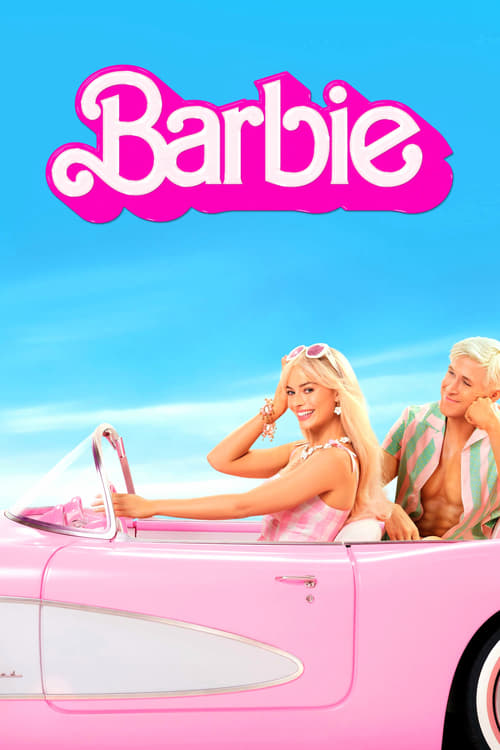
Barbie - Review
A Plastic Paradise Shattered: A Review of Greta Gerwig's "Barbie"
Greta Gerwig's "Barbie" isn't just a movie; it's a cultural event. From the moment the first trailers dropped, promising a visually dazzling and intellectually stimulating take on the iconic doll, anticipation reached fever pitch. Now that the pink dust has settled, does "Barbie" live up to the hype? The answer, in short, is a resounding yes, but with a few carefully considered caveats. This isn't just a sugary-sweet confection; it's a surprisingly sharp and nuanced exploration of gender, identity, and the very nature of existence, all wrapped in a package of vibrant colors and laugh-out-loud humor.
Plot: From Barbie Land to Reality and Back Again
The film opens in Barbie Land, a matriarchal utopia where Barbies of all shapes, sizes, and professions thrive. Margot Robbie embodies Stereotypical Barbie, living a seemingly perfect life filled with dance parties, beach days, and endless positivity. However, cracks begin to appear in her plastic facade when she starts experiencing existential dread, intrusive thoughts of death, and (gasp!) flat feet. To solve this crisis, Weird Barbie (Kate McKinnon), a doll who suffered the consequences of a child's overly enthusiastic play, advises Stereotypical Barbie to venture into the Real World to find the child who is causing her malfunction.
Ken (Ryan Gosling), ever the devoted (and often oblivious) companion, tags along. Their journey to the Real World is a jarring experience. Barbie is confronted with the harsh realities of the patriarchy, objectification, and the impossible standards placed upon women. Ken, on the other hand, discovers the intoxicating power of male dominance and returns to Barbie Land with the intention of establishing a "Kendom," a patriarchal society where men rule.
The plot then becomes a battle for the soul of Barbie Land. Barbie, with the help of Gloria (America Ferrera), a Mattel employee who is the source of Barbie's existential crisis, and Gloria's teenage daughter, Sasha (Ariana Greenblatt), must fight to restore the balance and help the Barbies reclaim their agency. The film culminates in a powerful confrontation, not just between Barbie and Ken, but between the ideals of Barbie Land and the realities of the Real World.
While the core plot is engaging, it does suffer from occasional pacing issues. The first act, establishing Barbie Land and its inhabitants, feels slightly rushed, leaving some supporting characters underdeveloped. The second act, focusing on Barbie and Ken's experiences in the Real World, is the strongest, offering both comedic and poignant moments. The third act, while delivering a satisfying resolution, feels somewhat predictable and relies on familiar tropes of empowerment narratives.
Characters: More Than Just Plastic Personalities
The strength of "Barbie" lies in its characters, who are far more complex and nuanced than their plastic origins might suggest.
Stereotypical Barbie (Margot Robbie)
Margot Robbie delivers a career-defining performance as Stereotypical Barbie. She perfectly captures the doll's initial naivete and unwavering optimism, but also convincingly portrays her growing awareness of the world's complexities and her subsequent existential crisis. Robbie's performance is both comedic and deeply moving, allowing the audience to empathize with Barbie's journey of self-discovery.
Ken (Ryan Gosling)
Ryan Gosling steals every scene he's in as Ken. He embodies the character's himbo-esque charm with hilarious precision, but also manages to imbue him with a surprising amount of vulnerability. Ken's journey from devoted sidekick to patriarchal wannabe is both funny and thought-provoking, highlighting the dangers of unchecked male ego and the allure of power. Gosling's comedic timing is impeccable, and his musical number, "I'm Just Ken," is an instant classic.
Gloria (America Ferrera)
America Ferrera provides the emotional anchor of the film as Gloria, a Mattel employee struggling with her own sense of purpose and identity. Her monologue about the impossible expectations placed upon women is a powerful and resonant moment that perfectly encapsulates the film's central message. Ferrera's performance is grounded and relatable, providing a necessary counterpoint to the more fantastical elements of the story.
Sasha (Ariana Greenblatt)
Ariana Greenblatt delivers a strong performance as Sasha, Gloria's cynical and disillusioned teenage daughter. Initially dismissive of Barbie, Sasha eventually comes to understand the doll's potential for positive influence. Greenblatt's portrayal of teenage angst is authentic and relatable, and her character arc is one of the most satisfying in the film.
Weird Barbie (Kate McKinnon)
Kate McKinnon is, unsurprisingly, hilarious as Weird Barbie. Her character is a welcome dose of absurdity and provides valuable guidance to Stereotypical Barbie on her journey. McKinnon's physical comedy is on full display, and she manages to make Weird Barbie both funny and strangely endearing.
The Mattel Executives
Will Ferrell leads a group of Mattel executives who are portrayed as clueless and out-of-touch. While their presence provides some comedic relief, they are ultimately the weakest characters in the film, feeling more like caricatures than fully realized individuals.
Direction and Cinematography: A Visual Feast
Greta Gerwig's direction is masterful. She seamlessly blends elements of comedy, drama, and fantasy to create a unique and engaging cinematic experience. Her attention to detail is evident in every frame, from the meticulously designed sets of Barbie Land to the carefully chosen costumes and props. Gerwig's vision is clear, and she successfully translates the complex themes of the film into a visually stunning and emotionally resonant narrative.
The cinematography, by Rodrigo Prieto, is equally impressive. The film is visually vibrant, with a color palette dominated by pinks, blues, and yellows. Prieto uses a variety of camera angles and techniques to create a sense of both whimsy and realism, depending on the scene. The lighting is particularly effective, creating a dreamlike quality in Barbie Land and a more harsh and realistic atmosphere in the Real World.
The production design is exceptional. Barbie Land is a visual spectacle, filled with elaborate sets, colorful costumes, and playful details. The attention to detail is remarkable, creating a world that feels both familiar and fantastical. The costumes, designed by Jacqueline Durran, are equally impressive, perfectly capturing the personalities of the characters and the overall tone of the film.
Themes and Messages: More Than Just a Toy Story
"Barbie" is far more than just a lighthearted comedy. It's a film that tackles a range of complex and important themes, including:
- Feminism and Patriarchy: The film directly confronts the issues of sexism and gender inequality. It explores the ways in which women are objectified and marginalized in society, and it celebrates the power of female empowerment. Ken's journey highlights the dangers of toxic masculinity and the allure of patriarchal power structures.
- Identity and Self-Discovery: Barbie's journey is one of self-discovery. She begins the film as a seemingly perfect doll, but she eventually comes to question her identity and her purpose. Her experiences in the Real World force her to confront her own limitations and to redefine herself on her own terms.
- The Pressure to Be Perfect: The film critiques the unrealistic standards of beauty and success that are often imposed on women. Barbie's initial desire to be perfect is ultimately challenged, and she learns to embrace her imperfections and to accept herself for who she is.
- The Power of Imagination: "Barbie" celebrates the power of imagination and play. The film reminds us that toys can be more than just objects; they can be tools for creativity, self-expression, and social commentary.
- Existentialism: The film tackles surprisingly deep existential themes, questioning the meaning of life and the nature of reality. Barbie's existential crisis is a central plot point, and the film encourages viewers to contemplate their own place in the world.
The film's message is ultimately one of hope and empowerment. It encourages viewers to challenge societal norms, to embrace their individuality, and to strive for a more just and equitable world.
Comparisons: A Gerwigian Spin on Familiar Themes
"Barbie" shares thematic similarities with other films that explore gender roles and societal expectations, such as "Legally Blonde" and "Mona Lisa Smile." However, Gerwig's unique directorial style and the film's self-aware humor set it apart. The film also draws inspiration from classic Hollywood musicals, particularly in its elaborate dance sequences and catchy musical numbers.
Gerwig's previous films, "Lady Bird" and "Little Women," also explore themes of female identity and self-discovery. However, "Barbie" is her most ambitious and visually stunning film to date. It showcases her ability to blend comedy and drama in a way that is both entertaining and thought-provoking.
Ryan Gosling's performance as Ken can be compared to his comedic roles in films like "The Nice Guys" and "Crazy, Stupid, Love." However, his portrayal of Ken is arguably his most memorable comedic performance, showcasing his versatility and his willingness to embrace absurdity.
Positive Aspects: A Triumph of Vision and Execution
"Barbie" is a triumph on many levels. Its visual design is stunning, its performances are captivating, and its themes are both timely and relevant. The film is genuinely funny, with numerous laugh-out-loud moments. It's also surprisingly poignant, with moments that will resonate with audiences of all ages. Gerwig's direction is masterful, and she successfully balances the film's comedic and dramatic elements. The soundtrack is also excellent, featuring a mix of original songs and classic hits.
The film's self-awareness is one of its greatest strengths. It acknowledges its own absurdity and embraces its status as a product of corporate America. This self-awareness allows the film to critique the very system it is a part of, creating a complex and nuanced commentary on consumerism and capitalism.
Constructive Criticism: A Few Minor Flaws
While "Barbie" is a highly enjoyable and thought-provoking film, it's not without its flaws. As mentioned earlier, the pacing in the first act feels rushed, and some supporting characters are underdeveloped. The third act, while delivering a satisfying resolution, feels somewhat predictable and relies on familiar tropes. Some viewers may find the film's message to be heavy-handed or overly didactic.
The Mattel executives are portrayed as caricatures, which undermines the film's otherwise nuanced approach to social commentary. A more subtle and complex portrayal of corporate greed would have been more effective. Additionally, while the film does address issues of diversity and inclusion, it could have gone further in exploring the experiences of marginalized communities.
The film's runtime, while not excessive, could have been trimmed slightly. Some scenes, particularly in the third act, feel unnecessarily long and could have been shortened without sacrificing the overall impact of the story.
Conclusion: A Bold and Brilliant Masterpiece (With a Few Scratches)
"Barbie" is a bold and brilliant film that defies expectations and delivers a surprisingly complex and nuanced exploration of gender, identity, and the nature of existence. Greta Gerwig has crafted a cinematic masterpiece that is both entertaining and thought-provoking. While the film has a few minor flaws, its strengths far outweigh its weaknesses. "Barbie" is a must-see for anyone who appreciates intelligent comedy, visually stunning filmmaking, and thought-provoking social commentary. It's a film that will stay with you long after the credits roll, prompting you to question your own assumptions and to embrace your own individuality.
Rating: 9/10