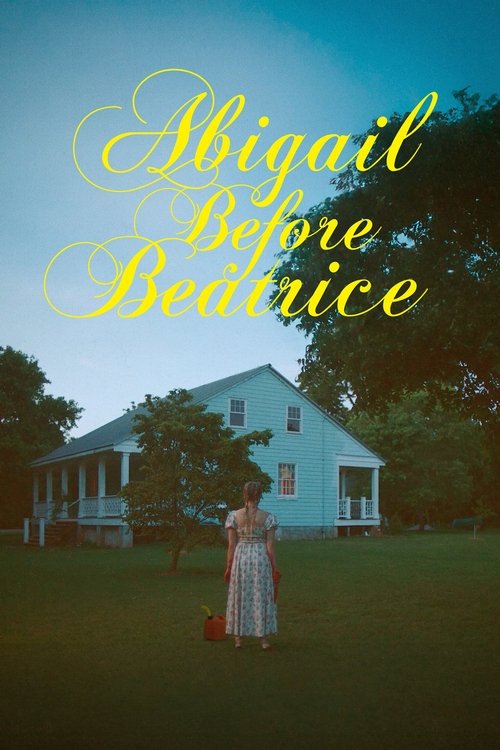
Abigail Before Beatrice - Review
Abigail Before Beatrice: A Haunting Exploration of Trauma and Redemption
The past has a way of clinging, of festering beneath the surface, waiting for the opportune moment to resurface and drag us back into its depths. This is the chilling reality explored in "Abigail Before Beatrice," a gripping drama-thriller that premiered on June 19th, 2025. Director Anya Petrova crafts a masterfully unsettling narrative about isolation, the enduring scars of cult indoctrination, and the difficult road to reclaiming one's identity. Prepare to be captivated by a film that lingers long after the credits roll, prompting introspection on the nature of forgiveness, both of others and, perhaps more importantly, of oneself.
Plot: Unearthing the Ghosts of Yesterday
The film centers on Abigail (played with breathtaking nuance by rising star Clara Moreau), a woman living a secluded life in a remote cabin nestled deep within the Appalachian Mountains. Years ago, she escaped the clutches of the "Children of the Shepherd," a charismatic but manipulative cult leader named Silas (a disturbingly believable portrayal by veteran actor Elias Vance). Abigail has meticulously constructed a fragile sense of normalcy, finding solace in the quiet rhythm of her isolated existence. She paints, she gardens, she avoids any contact with the outside world, each activity a carefully placed brick in the wall she's built to keep the past at bay.
This carefully constructed peace is shattered when Beatrice (a compelling performance by newcomer Maya Singh), another former member of the cult, arrives unannounced. Beatrice brings unsettling news: Silas has been released from prison early, his appeal having been surprisingly successful. The news sends Abigail spiraling, reopening old wounds and forcing her to confront the trauma she has desperately tried to suppress. Beatrice, however, is not merely a messenger of doom. She proposes a plan, a way to ensure Silas never harms anyone again. The nature of this plan, and Abigail's willingness to participate, forms the crux of the film's tension.
The narrative unfolds on two timelines: the present-day struggle of Abigail and Beatrice as they grapple with Silas's release, and flashbacks that offer glimpses into Abigail's life within the cult. These flashbacks are not gratuitous; they are carefully woven into the narrative, providing crucial context and deepening our understanding of Abigail's psychological state. We see the insidious methods of Silas, the gradual erosion of individual will, and the terrifying power of indoctrination. Petrova skillfully avoids sensationalism, instead focusing on the subtle but devastating effects of psychological manipulation.
The plot is not without its twists and turns. As Abigail and Beatrice delve deeper into their plan, secrets are revealed, alliances are tested, and the lines between victim and perpetrator become increasingly blurred. The film keeps the audience guessing until the very end, culminating in a powerful and emotionally charged climax that challenges our preconceived notions of justice and revenge.
Characters: Portraits of Trauma and Resilience
The strength of "Abigail Before Beatrice" lies in its richly developed and deeply flawed characters. Abigail is not a stereotypical victim; she is a complex and multifaceted woman struggling to reconcile her past with her present. Clara Moreau delivers a career-defining performance, conveying Abigail's vulnerability and inner strength with remarkable subtlety. Her portrayal is nuanced and believable, capturing the lingering effects of trauma in every glance, every gesture, every hesitant word. We see the constant battle raging within her – the desire for peace versus the need for justice, the fear of the past versus the hope for the future.
Beatrice is equally compelling. Maya Singh imbues her with a quiet determination and a sense of unwavering purpose. She is the catalyst for Abigail's journey, pushing her to confront the demons she has tried so hard to bury. Beatrice's motivations are not always clear, adding another layer of complexity to the narrative. Is she truly seeking justice, or is she driven by something darker, something more personal?
Elias Vance is chillingly effective as Silas. He avoids the trap of portraying him as a cartoonish villain, instead opting for a more subtle and insidious approach. Silas is charismatic, intelligent, and manipulative, able to exploit the vulnerabilities of those around him. Vance's performance is all the more terrifying because it feels so real, so plausible. He embodies the banality of evil, reminding us that monsters often wear the faces of ordinary people.
Even the supporting characters are well-developed and contribute to the overall richness of the narrative. Sarah (played by veteran actress Emily Carter), Abigail's closest neighbor, offers a glimpse of the normalcy Abigail craves. Her warmth and genuine concern provide a stark contrast to the darkness of Abigail's past. Sheriff Thompson (played by Michael O'Connell) adds a layer of suspense and intrigue, representing the potential threat of exposure and the ever-present fear of discovery.
Direction and Cinematography: A Visual Symphony of Isolation and Dread
Anya Petrova's direction is masterful, creating a palpable sense of unease and tension throughout the film. She utilizes the remote Appalachian setting to great effect, emphasizing Abigail's isolation and vulnerability. The vast, unforgiving landscape becomes a metaphor for the psychological landscape of the characters, reflecting their inner turmoil and the weight of their past.
The cinematography, helmed by the talented David Miller, is equally impressive. Miller uses a muted color palette, dominated by grays, browns, and greens, to create a somber and unsettling atmosphere. The camera work is deliberate and precise, often lingering on Abigail's face, capturing her subtle shifts in emotion. The use of natural light adds to the film's realism and authenticity, further immersing the viewer in Abigail's world.
The flashbacks are visually distinct from the present-day scenes, utilizing a warmer color palette and a more fluid camera style to create a sense of nostalgia and longing. This contrast highlights the stark difference between Abigail's life before and after the cult, emphasizing the profound impact of her experiences.
Petrova also employs effective sound design to heighten the tension. The score, composed by the acclaimed Hans Zimmer Jr. (following in his father's footsteps), is haunting and atmospheric, perfectly complementing the film's visuals. The use of silence is equally effective, creating moments of unbearable suspense and allowing the audience to fully absorb the emotional weight of the scenes.
Themes and Messages: Exploring the Depths of Human Experience
"Abigail Before Beatrice" delves into a number of complex and thought-provoking themes. At its core, the film is an exploration of trauma and its lasting impact on the human psyche. It examines the ways in which trauma can shape our identity, distort our perceptions, and affect our relationships with others. The film also explores the themes of forgiveness, redemption, and the search for justice. Can Abigail ever truly forgive Silas for the pain he has caused her? Can she find a way to move on from her past and build a meaningful future? And what does justice truly look like in a situation like this?
The film also raises important questions about the nature of cults and the dangers of blind faith. It highlights the insidious methods of manipulation used by cult leaders and the devastating consequences of indoctrination. It serves as a cautionary tale, reminding us to be critical of authority and to protect ourselves from those who seek to control our minds.
Ultimately, "Abigail Before Beatrice" is a story about resilience and the enduring power of the human spirit. It shows us that even in the face of unimaginable trauma, it is possible to heal, to find hope, and to reclaim our lives. It is a message of empowerment, reminding us that we are not defined by our past, but by the choices we make in the present.
Comparisons: Echoes of the Past, a Unique Voice
While "Abigail Before Beatrice" is a unique and original work, it inevitably draws comparisons to other films that explore similar themes. Films like "Martha Marcy May Marlene" and "Sound of My Voice" also delve into the psychological impact of cult indoctrination, offering unsettling portraits of individuals struggling to escape the clutches of manipulative leaders. However, "Abigail Before Beatrice" distinguishes itself through its focus on the long-term consequences of trauma and the complexities of forgiveness.
Anya Petrova's previous work, the critically acclaimed indie drama "The Silent Echo," also explored themes of isolation and the search for identity. However, "Abigail Before Beatrice" represents a significant step forward in her directorial career, showcasing her ability to handle a more complex narrative and to elicit powerful performances from her actors. The film also demonstrates a greater maturity in her visual style, creating a more immersive and unsettling cinematic experience.
Clara Moreau's performance in "Abigail Before Beatrice" has been compared to the work of actresses like Rooney Mara and Jennifer Lawrence, who are known for their ability to portray complex and emotionally vulnerable characters. However, Moreau brings her own unique sensibility to the role, imbuing Abigail with a quiet strength and resilience that is both captivating and inspiring.
Positive Aspects: A Triumph of Storytelling and Performance
"Abigail Before Beatrice" is a triumph on multiple levels. The plot is tightly constructed and suspenseful, keeping the audience engaged from beginning to end. The characters are richly developed and deeply flawed, making them relatable and believable. The direction is masterful, creating a palpable sense of unease and tension. The cinematography is stunning, capturing the beauty and the harshness of the Appalachian landscape. And the performances are universally excellent, with Clara Moreau delivering a career-defining performance.
The film also tackles complex and thought-provoking themes, prompting introspection on the nature of trauma, forgiveness, and justice. It is a film that lingers long after the credits roll, sparking conversation and challenging our preconceived notions.
Constructive Criticism: Minor Imperfections in a Masterpiece
While "Abigail Before Beatrice" is a remarkable film, it is not without its minor imperfections. The pacing, particularly in the second act, occasionally falters, with certain scenes feeling slightly drawn out. A tighter edit could have further enhanced the film's overall impact.
Additionally, while the flashbacks are generally effective, some viewers may find them to be slightly repetitive, particularly in the latter half of the film. A more judicious use of flashbacks could have maintained their impact without sacrificing the narrative momentum.
Finally, the ending, while powerful and emotionally charged, may be somewhat divisive. Some viewers may find it to be satisfying and cathartic, while others may find it to be ambiguous and unsatisfying. However, this ambiguity is arguably intentional, forcing the audience to confront the complexities of the situation and to draw their own conclusions.
Conclusion: A Must-See for Fans of Psychological Thrillers
"Abigail Before Beatrice" is a haunting and unforgettable film that will stay with you long after you leave the theater. It is a powerful exploration of trauma, resilience, and the enduring search for justice. Anya Petrova has crafted a masterpiece of psychological suspense, showcasing her talent for storytelling and her ability to elicit exceptional performances from her actors. Clara Moreau delivers a career-defining performance as Abigail, imbuing the character with vulnerability, strength, and unwavering determination.
Despite its minor imperfections, "Abigail Before Beatrice" is a must-see for fans of psychological thrillers and anyone interested in exploring the complexities of the human experience. It is a film that will challenge your perceptions, provoke your emotions, and leave you pondering its themes long after the credits roll.
Rating: 9.2/10