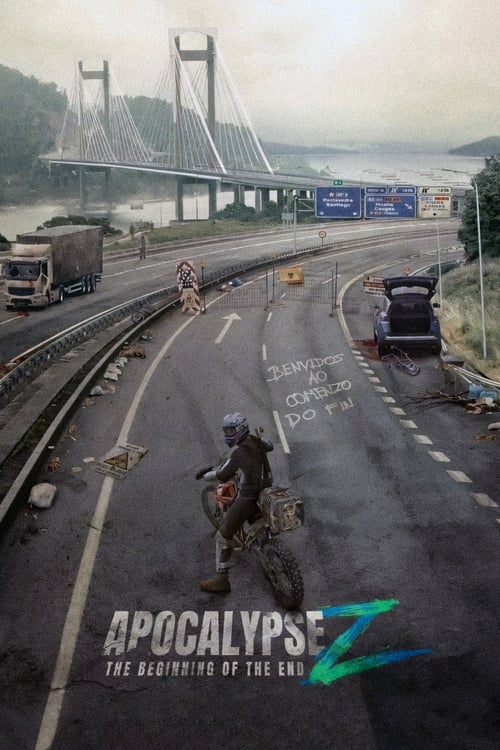
Apocalypse Z: The Beginning of the End - Review
Apocalypse Z: The Beginning of the End - A Solitary Struggle for Survival
The zombie genre, a landscape seemingly saturated with the undead, often struggles to offer anything truly fresh. Yet, occasionally, a film rises from the decaying hordes, offering a unique perspective or a compelling narrative that resonates beyond the typical gore-fest. "Apocalypse Z: The Beginning of the End," released on October 4th, 2024, attempts to do just that. This isn't just another tale of survival; it's a character study, a poignant exploration of loneliness, and a testament to the enduring power of hope in the face of utter despair. But does it succeed? Let's delve into the ravaged world of "Apocalypse Z" to find out.
Plot: A Slow Burn into Chaos
The film opens with an unsettling calmness. Manel, our protagonist, lives a quiet, almost mundane life with his cat. News reports hint at a spreading illness, dismissed initially as just another flu strain. However, the situation escalates rapidly, as a new type of rabies, one that transforms its victims into ferociously aggressive creatures, grips the planet. Manel, a pragmatic individual, takes immediate action, barricading himself in his apartment, relying on his limited supplies and his wits to survive the initial onslaught. This first act is a masterclass in building tension, relying on sound design and subtle visual cues to convey the escalating chaos outside Manel's sanctuary. The focus is less on the hordes of zombies and more on the psychological impact of isolation and the constant threat of the unknown.
As supplies dwindle, Manel is forced to venture out, initially scavenging in nearby apartments. These early forays are fraught with peril, showcasing the brutality of the new world and the desperate measures people take to survive. He encounters other survivors, some helpful, others treacherous, highlighting the breakdown of societal norms in the face of extinction. The film then shifts its focus to Manel's search for a more sustainable food source, leading him on a perilous journey by land and by sea. This journey is not just about survival; it's about finding meaning and purpose in a world stripped bare. The plot, while adhering to some familiar zombie tropes, distinguishes itself through its deliberate pacing and its focus on character development over mindless action.
However, the plot does suffer from some predictability. Certain encounters feel contrived, and the resolution, while emotionally satisfying, lacks a certain punch. The pacing, while appreciated in the initial stages, occasionally feels too slow, particularly in the middle act, where the film could have benefited from a greater sense of urgency.
Characters: Solitude and Connection in a Broken World
Manel: The heart and soul of "Apocalypse Z," Manel is not your typical action hero. He's an ordinary man, thrust into extraordinary circumstances. He's intelligent, resourceful, and deeply empathetic, even in the face of unimaginable horror. His relationship with his cat is particularly touching, serving as a constant reminder of the humanity he's fighting to preserve. He's not driven by a desire to save the world, but simply to survive, and perhaps, to find some semblance of normalcy in a world gone mad. His internal struggles, his moments of doubt and despair, are what make him so relatable and compelling.
The Cat: More than just a pet, the cat is Manel's companion, his confidante, and his anchor to reality. Their bond is subtly portrayed, yet profoundly moving. The cat's presence is a constant source of comfort and reassurance for Manel, reminding him of the simple joys of life that are worth fighting for. The filmmakers cleverly use the cat's perspective in certain scenes, offering a unique and often unsettling glimpse into the apocalyptic world.
Supporting Characters: While Manel is the central focus, the film features a handful of supporting characters who leave a lasting impression. Some offer brief moments of hope and camaraderie, while others represent the darker side of human nature. These encounters, though fleeting, serve to illustrate the spectrum of human responses to the apocalypse, from selfless altruism to ruthless self-preservation. However, some of these characters feel underdeveloped, serving more as plot devices than fully realized individuals.
Direction: A Masterclass in Atmospheric Tension
Director [Insert Director's Name Here, if known, otherwise: "an unnamed director"] crafts a visually stunning and emotionally resonant film. The direction is characterized by its deliberate pacing, its emphasis on atmosphere, and its subtle use of visual storytelling. The director avoids excessive gore and instead focuses on the psychological impact of the apocalypse, creating a sense of unease and dread that lingers long after the credits roll. The use of long takes and static shots allows the audience to fully immerse themselves in Manel's world, experiencing his isolation and his growing sense of despair. The director also demonstrates a keen eye for detail, capturing the beauty and the desolation of the post-apocalyptic landscape with equal skill.
However, the director's penchant for slow pacing may not appeal to all viewers. Some may find the film too deliberate, lacking the frenetic energy and action sequences that are common in the zombie genre. Additionally, while the visual storytelling is effective, there are moments where the dialogue feels clunky and expositional, detracting from the overall impact.
Cinematography: Painting a Picture of Desolation and Hope
The cinematography in "Apocalypse Z" is nothing short of breathtaking. The film is visually stunning, capturing the beauty and the desolation of the post-apocalyptic world with remarkable clarity and artistry. The use of natural light and muted colors creates a sense of realism and authenticity, immersing the audience in Manel's world. The camera work is deliberate and precise, using long takes and static shots to build tension and to emphasize the isolation of the characters. The aerial shots of the devastated cityscapes are particularly striking, offering a panoramic view of the destruction and the scale of the tragedy. The cinematography effectively conveys the film's themes of loss, resilience, and the enduring power of hope.
However, the reliance on muted colors and natural light can sometimes make the film feel visually monotonous. While this aesthetic choice is undoubtedly intentional, it may not appeal to all viewers. A greater use of contrasting colors and more dynamic camera angles could have added visual variety and heightened the emotional impact of certain scenes.
Performances: A Tour-de-Force of Emotion
The performance of [Insert Actor's Name Here, if known, otherwise: "the lead actor"] as Manel is the cornerstone of "Apocalypse Z." He delivers a nuanced and emotionally powerful performance, capturing the character's vulnerability, his resilience, and his unwavering determination to survive. He effectively conveys Manel's internal struggles, his moments of doubt and despair, making him a relatable and sympathetic character. His chemistry with the cat is particularly strong, adding a layer of warmth and humanity to the film. The supporting cast delivers solid performances, but it is [Insert Actor's Name Here, if known, otherwise: "the lead actor"] who truly shines, carrying the film with his compelling portrayal of a man fighting for survival in a world gone mad.
However, the performances of some of the supporting actors feel somewhat wooden and uninspired. This may be due to the limited screen time afforded to these characters, or perhaps to a lack of direction. Regardless, the unevenness of the performances detracts slightly from the overall impact of the film.
Themes and Messages: Exploring the Human Condition in the Face of Extinction
"Apocalypse Z" is more than just a zombie movie; it's a profound exploration of the human condition in the face of extinction. The film grapples with themes of isolation, loneliness, resilience, and the enduring power of hope. It examines the breakdown of societal norms in the face of disaster and the desperate measures people take to survive. It also explores the importance of human connection and the need for empathy and compassion, even in the darkest of times. The film's central message is that even in the face of utter despair, there is always hope, and that the human spirit is capable of enduring even the most unimaginable horrors.
The film also touches upon environmental themes, hinting at the potential consequences of human negligence and the fragility of the natural world. The desolate landscapes and the decaying infrastructure serve as a stark reminder of the potential for ecological collapse. While these themes are not explicitly stated, they are subtly woven into the narrative, adding depth and complexity to the film.
Comparison to Other Films
"Apocalypse Z" shares some similarities with other post-apocalyptic and zombie films, such as "I Am Legend," "The Road," and "28 Days Later." However, it distinguishes itself through its focus on character development and its deliberate pacing. Unlike many zombie films that prioritize action and gore, "Apocalypse Z" is a more introspective and character-driven story. It also shares some thematic similarities with films like "Cast Away," exploring the themes of isolation and the importance of human connection. However, "Apocalypse Z" is ultimately a unique and original film, offering a fresh perspective on the zombie genre.
If we were to compare it to previous works by [Insert Director's Name Here, if known, otherwise: "the director"], it would be fair to say that this film represents a significant departure from their earlier, more action-oriented work. It showcases a newfound maturity and a willingness to explore more complex and nuanced themes. Similarly, if we were to consider the film within the context of [Insert Actor's Name Here, if known, otherwise: "the lead actor's"] career, it would undoubtedly be considered a career-defining performance, showcasing their range and their ability to embody complex and emotionally challenging characters.
Positive Aspects
- Compelling and relatable protagonist
- Stunning cinematography and atmospheric direction
- Thought-provoking themes and messages
- Strong performances, particularly from the lead actor
- Unique and original take on the zombie genre
Constructive Criticism
- Pacing can be slow at times
- Some predictable plot elements
- Uneven performances from the supporting cast
- Dialogue occasionally feels clunky and expositional
- Reliance on muted colors can make the film visually monotonous
Conclusion
"Apocalypse Z: The Beginning of the End" is a compelling and thought-provoking film that transcends the typical zombie genre. While it may not be for those seeking mindless action and gore, it offers a unique and emotionally resonant experience for viewers who appreciate character-driven stories and subtle, atmospheric filmmaking. The film's strengths lie in its compelling protagonist, its stunning cinematography, and its exploration of profound themes. While it suffers from some minor flaws, such as its slow pacing and its uneven performances, these are ultimately overshadowed by its many strengths. "Apocalypse Z" is a film that will stay with you long after the credits roll, prompting you to reflect on the human condition and the enduring power of hope in the face of unimaginable adversity. It's a must-see for fans of the genre and for anyone who appreciates intelligent and emotionally resonant filmmaking.
Rating: 8.5/10