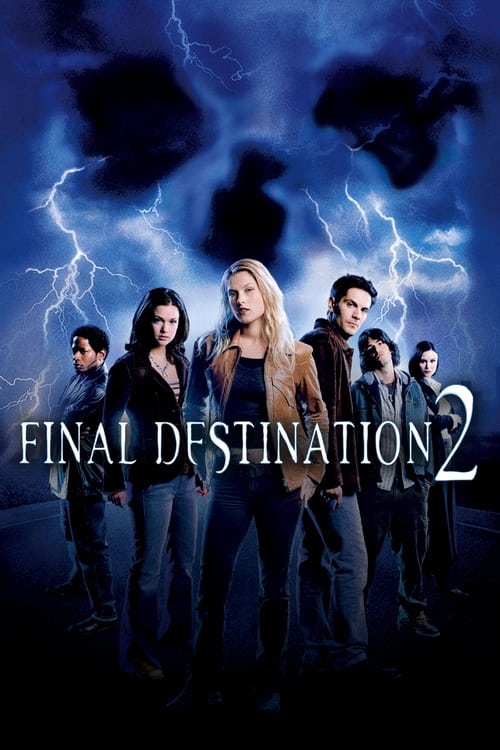
Final Destination 2 - Review
Final Destination 2: A Bloody, Brilliantly Constructed Chain Reaction of Terror
In the realm of horror franchises, few have managed to carve such a uniquely gruesome and memorably creative niche as Final Destination. While the original set the stage with its chilling premise of cheating death and the subsequent, often hilarious, attempts of fate to rectify the situation, Final Destination 2, released in 2003, elevates the concept to a new level of intricate, Rube Goldberg-esque mayhem. More than just a sequel, it's a refinement of the formula, a masterclass in suspenseful anticipation and spectacularly staged demises. Buckle up, because we're about to dissect this high-octane horror experience, exploring its strengths, weaknesses, and lasting impact on the genre.
Plot: The Highway to Hell, Revisited
The film opens with Kimberly Corman (A.J. Cook), a young college student on a road trip with her friends, experiencing a terrifying premonition of a catastrophic highway pileup on Route 23. In a desperate attempt to prevent the disaster, she blocks the entrance ramp, managing to save a handful of other drivers from the impending carnage. However, as with the original film, Death isn't so easily cheated. The survivors – including Officer Thomas Burke (Michael Landes), lottery winner Evan Lewis (David Paetkau), businesswoman Kat Jennings (Keegan Connor Tracy), pregnant Isabella Hudson (Justina Machado), and stoner Rory Peters (Jonathan Cherry) – soon find themselves targeted by a series of increasingly bizarre and brutal accidents.
The brilliance of Final Destination 2 lies in its interconnected narrative. Unlike the first film, which was largely self-contained, this sequel cleverly links back to the events of the original, introducing Clear Rivers (Ali Larter), the sole survivor from Flight 180, now residing in a mental institution for her own safety (or so she thinks). Clear provides crucial information about Death's design and the only potential way to break the chain: new life taking the place of the lives that were supposed to be lost. This adds a layer of complexity and urgency to the plot, raising the stakes significantly.
The film's structure is largely episodic, with each survivor meeting their demise in a uniquely elaborate and often darkly humorous fashion. The anticipation builds as we try to decipher the clues and predict the next victim's fate, making for a relentlessly suspenseful viewing experience. However, this episodic nature can also be seen as a minor weakness, as it sometimes sacrifices character development for the sake of elaborate death sequences.
Characters: More Than Just Cannon Fodder
While Final Destination 2 is primarily driven by its plot and set pieces, the characters are surprisingly well-developed, considering their ultimate fate. Kimberly Corman is a more proactive and resourceful protagonist than Alex Browning from the first film. Driven by the guilt and responsibility of her premonition, she is determined to save the other survivors, even at great personal risk. A.J. Cook delivers a compelling performance, conveying both vulnerability and unwavering determination.
Officer Thomas Burke serves as Kimberly's confidante and protector, providing a grounded perspective to the increasingly bizarre events. Michael Landes imbues the character with a sense of authority and empathy, making him a believable and relatable figure.
The supporting characters, while often stereotypical, are memorable and add to the overall entertainment value. Evan Lewis, the lottery winner, is a caricature of newfound wealth and arrogance, making his eventual demise all the more satisfying. Kat Jennings, the career-driven businesswoman, represents a more pragmatic and skeptical perspective. Rory Peters, the stoner, provides moments of comic relief amidst the gruesome events.
The return of Clear Rivers is a welcome addition, providing a direct link to the original film and adding a layer of emotional depth to the narrative. Ali Larter reprises her role with a haunted intensity, conveying the trauma and paranoia that have consumed her life since surviving Flight 180.
However, it's important to acknowledge that many of the characters are ultimately defined by their impending deaths. While they are given enough personality to make their fates impactful, they often feel like pawns in Death's elaborate game, existing primarily to be creatively dispatched.
Direction: A Masterclass in Suspense
David R. Ellis, taking over the directorial reins from James Wong, delivers a visually stunning and expertly paced horror experience. He masterfully builds suspense, utilizing clever camera angles, editing techniques, and sound design to create a constant sense of unease and impending doom.
Ellis excels at creating intricate death sequences that are both shocking and darkly humorous. He understands the delicate balance between gore and suspense, knowing when to show and when to imply. The film is filled with moments of breathtaking visual creativity, from the infamous log truck sequence to the elevator shaft incident.
The film's pacing is relentless, rarely giving the audience a chance to catch their breath. Ellis keeps the narrative moving forward at a brisk pace, constantly raising the stakes and introducing new threats. He also effectively utilizes red herrings, misleading the audience into thinking that certain characters are safe, only to pull the rug out from under them at the last moment.
While Ellis's direction is largely successful, some critics have argued that he relies too heavily on shock value and gore. While the film is undeniably graphic, the violence is often presented in a stylized and almost cartoonish manner, which prevents it from becoming overly disturbing.
Cinematography: A Feast for the Eyes (If You Can Stomach It)
The cinematography in Final Destination 2 is a key element in creating the film's overall atmosphere of dread and suspense. The film is visually striking, with vibrant colors and dynamic camera movements.
The opening highway pileup sequence is a masterclass in visual storytelling, using a combination of practical effects and CGI to create a truly terrifying and believable disaster. The camera sweeps through the chaos, capturing the carnage from multiple perspectives, immersing the audience in the heart of the mayhem.
The film also utilizes a variety of visual cues to foreshadow impending deaths. These subtle hints, often hidden in plain sight, add to the film's overall sense of unease and paranoia. The use of reflections, shadows, and symbolic imagery creates a visual language that enhances the narrative and keeps the audience guessing.
However, the film's reliance on CGI, while generally effective, occasionally detracts from the realism. Some of the digital effects, particularly in the more elaborate death sequences, appear somewhat dated by today's standards.
Performances: Solid Acting, Even in the Face of Certain Doom
The performances in Final Destination 2 are generally solid, with the cast delivering believable portrayals of characters facing extraordinary circumstances. A.J. Cook shines as Kimberly Corman, conveying the character's fear, determination, and emotional turmoil. Michael Landes provides a steady and reliable presence as Officer Thomas Burke, grounding the film in reality.
Ali Larter's return as Clear Rivers is a welcome addition, adding a layer of emotional depth and continuity to the franchise. She delivers a nuanced performance, conveying the character's trauma and paranoia.
The supporting cast members also deliver memorable performances, even in their limited screen time. David Paetkau is effectively obnoxious as Evan Lewis, while Keegan Connor Tracy brings a sense of pragmatism to her role as Kat Jennings. Jonathan Cherry provides comic relief as Rory Peters, but also manages to inject some genuine emotion into his character's final moments.
While the performances are generally strong, it's important to acknowledge that the actors are often overshadowed by the elaborate death sequences. The film is more about the spectacle of death than the emotional journeys of the characters.
Themes and Messages: The Futility of Control and the Inevitability of Fate
Final Destination 2, like its predecessor, explores the themes of fate, free will, and the futility of trying to control the uncontrollable. The film suggests that Death is an inescapable force, and that any attempt to cheat it will ultimately be met with even more brutal consequences.
The film also touches on the theme of guilt and responsibility. Kimberly Corman feels responsible for the deaths of the survivors, even though she did everything in her power to prevent the initial disaster. This sense of guilt drives her to try and break the chain of death, even at great personal risk.
Ultimately, Final Destination 2 offers a bleak and pessimistic view of the world. It suggests that life is fragile and unpredictable, and that death can strike at any moment, in the most unexpected of ways. The film's message is clear: we are all ultimately at the mercy of fate.
Comparison to Other Films: Building on the Foundation
Final Destination 2 is a direct sequel to the original Final Destination, and it builds upon the foundation established by its predecessor. The film expands on the concept of Death's design, introducing new rules and challenges for the survivors to overcome.
Compared to the original, Final Destination 2 is arguably more ambitious and visually elaborate. The death sequences are more intricate and creative, and the film's overall scope is larger. However, some critics argue that the sequel sacrifices character development for the sake of spectacle.
The Final Destination franchise has spawned a number of imitators, but few have managed to capture the unique blend of horror, suspense, and dark humor that defines the series. Films like The Butterfly Effect and Premonition explore similar themes of fate and free will, but lack the visceral impact and creative death sequences of the Final Destination films.
Director David R. Ellis previously directed the thriller Cellular and the shark horror film Deep Blue Sea. While these films share some thematic similarities with Final Destination 2, they lack the franchise's unique premise and darkly humorous tone.
Positive Aspects: A Thrilling Ride with Creative Carnage
Final Destination 2 excels in several key areas:
- Creative Death Sequences: The film's elaborate and often darkly humorous death sequences are its biggest draw. They are inventive, shocking, and visually stunning.
- Suspenseful Atmosphere: The film masterfully builds suspense, creating a constant sense of unease and impending doom.
- Solid Performances: The cast delivers believable portrayals of characters facing extraordinary circumstances.
- Well-Paced Narrative: The film moves at a brisk pace, constantly raising the stakes and introducing new threats.
- Clever Connection to the Original: The film's link to the original Final Destination adds a layer of complexity and emotional depth to the narrative.
Constructive Criticism: Minor Flaws in a Bloody Masterpiece
While Final Destination 2 is a highly entertaining and effective horror film, it is not without its flaws:
- Episodic Structure: The film's episodic nature can sometimes sacrifice character development for the sake of elaborate death sequences.
- Over-Reliance on CGI: Some of the digital effects appear somewhat dated by today's standards.
- Limited Character Depth: Many of the characters are ultimately defined by their impending deaths, lacking significant emotional arcs.
- Excessive Gore: While the gore is often stylized, it may be off-putting to some viewers.
Conclusion and Rating
Final Destination 2 is a worthy successor to the original, expanding on the franchise's core concept and delivering a thrilling and visually stunning horror experience. While it may not be for the faint of heart, fans of the genre will appreciate its creative death sequences, suspenseful atmosphere, and solid performances. Despite some minor flaws, Final Destination 2 remains a standout entry in the horror franchise and a testament to the power of clever storytelling and inventive visual effects.
Rating: 8.5/10