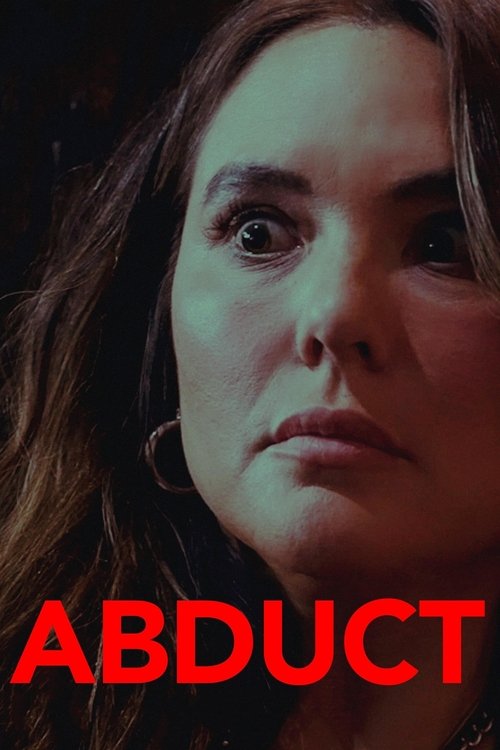
Abduct - Review
Abduct: A Descent into Paranoia and Body Horror – A Review
The allure of a secluded mountain retreat, a sanctuary from the cacophony of modern life, is a well-worn trope in horror. But what happens when that sanctuary becomes the epicenter of something truly… *other*? Director Anya Sharma's "Abduct," released on April 2nd, 2025, doesn't just play on the familiar fears of isolation; it twists them into a grotesque and unsettling exploration of identity, paranoia, and the terrifying malleability of the human form. This isn't your typical cabin-in-the-woods slasher; "Abduct" burrows under your skin, leaving you questioning what's real and what's a figment of a fractured mind.
Plot: A Vacation Gone Horribly Wrong
The film opens with Sarah (played with captivating vulnerability by Maya Rodriguez) and her boyfriend, Ben (Liam Hemsworth, showcasing a surprising range beyond his blockbuster roles), arriving at a remote cabin nestled deep within the Appalachian Mountains. They're seeking respite from the stresses of their demanding careers, hoping to rekindle their connection amidst the serene beauty of nature. The initial scenes are deliberately idyllic, establishing a palpable sense of peace and intimacy. Sharma masterfully uses these moments to lull the audience into a false sense of security, amplifying the impact of the horrors to come.
The tranquility is shattered on their second night. Ben ventures out for firewood and never returns. Sarah, initially dismissing it as a simple mishap, grows increasingly frantic as hours pass. Her search proves fruitless, the dense forest swallowing any trace of him. Just as despair begins to set in, a figure emerges from the darkness – a naked man (Ethan Blake, delivering a truly unsettling performance), disoriented and claiming to be Ben. But this is no ordinary Ben. Something is profoundly *wrong*. His eyes hold a vacant stare, his movements are jerky and unnatural, and his memories are fragmented and distorted. Sarah is forced to confront the unthinkable: is this really the man she loves, or something else entirely wearing his skin?
The plot unfolds as a slow-burn psychological thriller, punctuated by moments of intense body horror. Sarah's attempts to understand what happened to Ben drive the narrative forward. She grapples with denial, suspicion, and a growing sense of dread as she witnesses increasingly bizarre changes in "Ben's" behavior and physical appearance. The film cleverly avoids relying on jump scares, instead opting for a pervasive atmosphere of unease and mounting dread. The ambiguity surrounding "Ben's" true identity is maintained throughout, keeping the audience guessing until the very end.
However, the film does suffer from a few pacing issues in the middle act. Sarah's initial investigation feels somewhat repetitive, and the lack of external conflict, beyond her internal struggle, can make the narrative feel stagnant at times. A few more clues or red herrings to mislead the audience could have helped to maintain a higher level of suspense during this period.
Characters: Torn Between Love and Terror
Sarah (Maya Rodriguez): Rodriguez delivers a tour-de-force performance as Sarah, a woman pushed to the brink of sanity. Her portrayal is nuanced and believable, capturing the character's initial optimism, her gradual descent into fear, and her desperate attempts to cling to hope. Rodriguez excels at conveying Sarah's internal conflict, her unwavering love for Ben clashing with the undeniable horror of the situation. She's not just a screaming damsel; she's a resourceful and intelligent woman fighting to protect herself and unravel the truth.
"Ben" (Ethan Blake): Blake's performance as the transformed "Ben" is genuinely disturbing. He manages to convey a sense of otherness without resorting to caricature. His vacant stare, his unnatural movements, and his distorted speech create a chilling and unforgettable presence. Blake masterfully embodies the unsettling ambiguity of the character, leaving the audience constantly questioning his true nature. Is he still Ben, trapped within a monstrous form, or is he something else entirely, merely mimicking his appearance? This performance is a significant departure from his previous roles, showcasing his versatility as an actor.
Ben (Liam Hemsworth): While Hemsworth's screen time is limited, his presence is felt throughout the film. The initial scenes establishing the couple's relationship are crucial to understanding Sarah's desperation and her willingness to believe, even in the face of overwhelming evidence to the contrary. His portrayal of Ben is warm and genuine, making his subsequent disappearance all the more impactful.
While the core trio delivers strong performances, the supporting characters are somewhat underdeveloped. The local sheriff, who makes a brief appearance, feels like a stock character, serving primarily as a plot device to dismiss Sarah's concerns. Expanding his role and giving him a more nuanced personality could have added another layer of intrigue to the narrative.
Direction and Cinematography: Crafting an Atmosphere of Dread
Anya Sharma's direction is masterful, creating a palpable sense of dread and isolation. She utilizes the remote mountain setting to its full potential, using the dense forests and imposing landscapes to amplify Sarah's vulnerability. The camera work is deliberate and unsettling, often focusing on subtle details – a twitch in "Ben's" eye, a strange mark on his skin – to heighten the sense of unease.
The cinematography, helmed by veteran cinematographer David Moreau, is particularly noteworthy. The film is visually stunning, employing a muted color palette to create a sense of foreboding. The use of natural light adds to the realism, while also contributing to the overall atmosphere of claustrophobia. The night scenes are particularly effective, the darkness concealing unseen horrors and amplifying the sense of vulnerability.
Sharma's use of sound design is also crucial to the film's success. The score is minimalist and unsettling, relying on discordant strings and ambient sounds to create a sense of unease. The silence is often just as effective, allowing the sounds of the forest – the rustling leaves, the snapping twigs – to amplify Sarah's paranoia.
One minor criticism is the occasional reliance on shaky cam during moments of intense action. While this technique can be effective in creating a sense of immediacy, it is sometimes overused, making it difficult to follow the action and detracting from the overall visual clarity.
Themes and Messages: Identity, Paranoia, and the Unknowable
"Abduct" explores several complex themes, most notably the fragility of identity and the terrifying possibility of losing oneself. The film raises profound questions about what makes us who we are. Is it our memories? Our physical form? Or is it something more intangible? The transformation of Ben forces Sarah to confront these questions, challenging her understanding of identity and love.
Paranoia is another central theme. Sarah's isolation and the bizarre circumstances surrounding Ben's disappearance lead her to question everything and everyone. The film explores the psychological toll of paranoia, highlighting its ability to distort reality and drive individuals to the brink of madness. The ambiguity surrounding "Ben's" true identity fuels Sarah's paranoia, making it impossible for her to trust her own senses.
The film also touches on the theme of the unknowable. "Abduct" suggests that there are forces in the universe beyond human comprehension, forces that can manipulate and transform us in ways we cannot even imagine. The true nature of the entity that has taken over Ben's body remains a mystery, leaving the audience to ponder the limits of human knowledge and understanding.
While the film delves into these complex themes, it avoids being overly didactic. The themes are explored organically through the narrative and the characters' actions, allowing the audience to draw their own conclusions.
Comparisons: Echoes of the Past, a Vision of the Future
"Abduct" draws inspiration from several classic horror films, most notably "The Thing" (1982) and "Invasion of the Body Snatchers" (1978). Like "The Thing," it explores the fear of an alien entity that can mimic human form, creating a sense of paranoia and distrust. Like "Invasion of the Body Snatchers," it raises questions about the nature of identity and the possibility of being replaced by something alien. However, "Abduct" distinguishes itself from these predecessors by focusing on the psychological impact of the transformation on Sarah, the protagonist. The film is less concerned with the external threat and more interested in exploring the internal turmoil of a woman forced to confront the unthinkable.
Anya Sharma's previous work, the indie horror hit "The Whispering Pines," also explored themes of isolation and paranoia. However, "Abduct" is a significant step up in terms of production value and scope. Sharma demonstrates a greater command of the visual language of cinema, creating a more immersive and unsettling experience for the audience.
Liam Hemsworth's performance in "Abduct" is a departure from his usual action roles. While he has shown glimpses of his dramatic abilities in the past, this film allows him to truly showcase his range. His portrayal of Ben is nuanced and believable, making his subsequent transformation all the more shocking.
Positive Aspects: A Triumph of Atmosphere and Performance
"Abduct" is a triumph of atmosphere. Anya Sharma masterfully creates a sense of dread and unease that permeates the entire film. The remote mountain setting, the muted color palette, and the unsettling sound design all contribute to the film's overall effectiveness. The performances are also a major highlight, with Maya Rodriguez and Ethan Blake delivering particularly memorable performances. The film's exploration of complex themes, such as identity and paranoia, adds depth and resonance to the narrative.
Constructive Criticism: Areas for Improvement
While "Abduct" is a strong horror film, it is not without its flaws. The pacing in the middle act can be somewhat slow, and the supporting characters are underdeveloped. The occasional reliance on shaky cam detracts from the overall visual clarity. A few more clues or red herrings could have helped to maintain a higher level of suspense throughout the narrative. Finally, while the ending is ambiguous, it may leave some viewers feeling unsatisfied. A more definitive resolution, or at least a clearer indication of Sarah's fate, could have made the ending more impactful.
Conclusion: A Chilling and Thought-Provoking Horror Experience
"Abduct" is a chilling and thought-provoking horror experience that will stay with you long after the credits roll. Anya Sharma has crafted a genuinely unsettling film that explores complex themes with intelligence and sensitivity. The performances are excellent, the cinematography is stunning, and the atmosphere is palpably unsettling. While the film has a few minor flaws, its strengths far outweigh its weaknesses. If you're looking for a horror film that will challenge your perceptions and leave you questioning what's real, "Abduct" is definitely worth a watch.