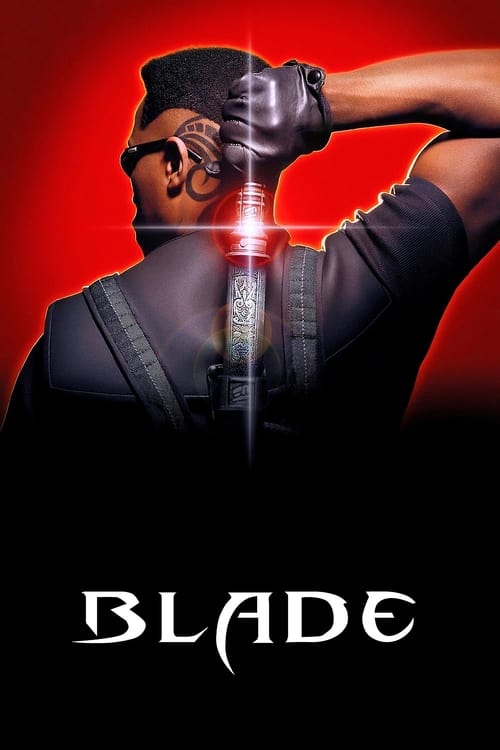
Blade - Review
Blade: A Razor-Sharp Slice of Vampire Action That Still Cuts Deep
Before the Marvel Cinematic Universe became the behemoth it is today, before superhero films were meticulously crafted to appeal to the widest possible audience, there was Blade. Released in 1998, this wasn't your friendly neighborhood Spider-Man or a noble Superman. Blade, the Daywalker, was a brooding, violent, and undeniably cool anti-hero who carved a bloody path through the vampire underworld. More than just a precursor to the modern superhero boom, Blade was a groundbreaking action-horror film that redefined the genre and set a new standard for comic book adaptations. This review delves into the film's strengths and weaknesses, examining its enduring appeal and legacy.
Plot: A Relentless Hunt Through the Vampire Labyrinth
The plot of Blade is deceptively simple, yet effectively executed. We are introduced to Blade (Wesley Snipes), a half-human, half-vampire warrior, driven by an insatiable thirst for vengeance against the creatures who murdered his mother. He is aided by his mentor, Abraham Whistler (Kris Kristofferson), a grizzled veteran who provides Blade with weapons, knowledge, and a much-needed dose of cynicism. Their target: Deacon Frost (Stephen Dorff), a young, ambitious vampire who seeks to overthrow the vampire elders and unleash a new era of dominance for his kind. Frost believes that Blade, as a Daywalker, is the key to activating a ritual that will grant him god-like power.
The film unfolds as a relentless cat-and-mouse game between Blade and Frost. Blade systematically hunts down vampires, disrupting their operations and drawing Frost's attention. Meanwhile, Dr. Karen Jenson (N'Bushe Wright), a hematologist who is attacked by Frost's henchmen, becomes an unlikely ally to Blade. She helps him understand his unique physiology and develops a serum to suppress his vampiric bloodlust. As Frost's plans escalate, Blade must confront his own inner demons and embrace his destiny as the Daywalker to prevent the vampire apocalypse.
One of the strengths of the plot is its pacing. The film rarely lets up, constantly throwing the audience into intense action sequences and suspenseful confrontations. The exposition is delivered efficiently, avoiding lengthy explanations and instead relying on visual storytelling and character interactions. The stakes are clearly defined, and the audience is invested in Blade's mission to protect humanity.
However, the plot isn't without its flaws. Some viewers may find the vampire mythology somewhat convoluted, particularly the details surrounding the vampire elders and the ancient prophecy. The romantic subplot between Blade and Karen feels underdeveloped and ultimately unnecessary. While N'Bushe Wright delivers a solid performance, her character's arc feels more like a plot device than a genuine emotional connection.
Characters: A Symphony of Darkness and Light
The characters in Blade are a compelling mix of archetypes and unique personalities. Wesley Snipes delivers a career-defining performance as Blade, embodying the character's stoicism, rage, and unwavering determination. He is a man of few words, but his presence speaks volumes. Snipes' martial arts skills are on full display, making Blade a formidable and believable warrior.
Stephen Dorff shines as Deacon Frost, the charismatic and rebellious antagonist. Frost is not your typical vampire villain. He is young, modern, and disillusioned with the old ways of the vampire elders. He sees himself as a revolutionary, fighting for a new order where vampires can openly rule the world. Dorff brings a youthful energy and a chilling charisma to the role, making Frost a memorable and complex villain.
Kris Kristofferson provides a gruff and world-weary presence as Abraham Whistler. Whistler is Blade's mentor, father figure, and armorer. He is a hardened veteran who has dedicated his life to fighting vampires. Kristofferson's performance is understated but effective, providing a grounding influence to the film's more fantastical elements.
N'Bushe Wright as Dr. Karen Jenson serves as the audience's entry point into the world of vampires. She is a scientist who is initially skeptical of the supernatural but gradually comes to accept the reality of Blade's existence. While her character is somewhat underdeveloped, Wright brings a sense of intelligence and vulnerability to the role.
The supporting characters, such as Frost's henchmen and the vampire elders, are also well-defined and contribute to the film's rich tapestry of characters. Each character has their own motivations and agendas, adding depth and complexity to the vampire underworld.
Direction: A Stylish Blend of Action and Horror
Blade is directed by Stephen Norrington, who brings a distinct visual style to the film. Norrington masterfully blends action and horror elements, creating a film that is both thrilling and terrifying. The action sequences are fast-paced and visceral, showcasing Blade's martial arts skills and weapon proficiency. The horror elements are effectively used to create a sense of dread and unease, particularly in the scenes involving vampires feeding and transforming.
Norrington's direction is characterized by its use of stylized visuals, including slow-motion effects, dynamic camera angles, and vibrant color palettes. The film's visual style is heavily influenced by comic books and music videos, giving it a unique and contemporary feel. The use of CGI is relatively limited but effective, particularly in the scenes involving vampire transformations and special effects.
One of Norrington's strengths is his ability to create a believable and immersive world. The film's sets and costumes are meticulously designed, creating a sense of authenticity and realism. The vampire nightclub, for example, is a visually stunning and atmospheric location that perfectly captures the dark and seductive nature of the vampire underworld.
However, Norrington's direction is not without its flaws. Some viewers may find the film's visual style to be too flashy or excessive. The use of slow-motion effects, in particular, can feel overused at times. Additionally, the film's pacing can be uneven, with some scenes feeling rushed while others drag on for too long.
Cinematography: A Visual Feast of Darkness and Light
The cinematography in Blade, helmed by Theo van de Sande, is a visual feast that perfectly complements the film's action and horror elements. Van de Sande masterfully uses light and shadow to create a sense of atmosphere and suspense. The film is predominantly shot in dark and gritty environments, reflecting the dark and dangerous world of vampires. However, there are also moments of bright and vibrant color, particularly in the scenes involving Blade's powers and abilities.
Van de Sande's use of camera angles and movement is also noteworthy. The film features a variety of dynamic camera angles, including low angles, high angles, and dutch angles, which add to the film's visual intensity. The camera movement is fluid and dynamic, following the action and creating a sense of immersion for the viewer.
The film's color palette is carefully chosen to reflect the different moods and themes of the story. Dark colors, such as black, gray, and red, are used to create a sense of dread and violence. Brighter colors, such as blue and green, are used to represent hope and healing. The use of color is particularly effective in the scenes involving Blade's powers, where his eyes glow with a vibrant red light.
One of the most striking aspects of the cinematography is its use of contrast. Van de Sande masterfully uses contrast to highlight the differences between Blade and the vampires. Blade is often bathed in light, representing his humanity and his role as a protector of mankind. The vampires, on the other hand, are often shrouded in shadow, representing their darkness and their predatory nature.
Performances: Snipes Leads a Stellar Cast
The performances in Blade are uniformly excellent, with Wesley Snipes leading a stellar cast. As mentioned previously, Snipes delivers a career-defining performance as Blade, embodying the character's stoicism, rage, and unwavering determination. He is a believable and compelling action hero, and his martial arts skills are on full display.
Stephen Dorff is equally impressive as Deacon Frost. He brings a youthful energy and a chilling charisma to the role, making Frost a memorable and complex villain. Dorff's performance is nuanced and layered, showing both the character's ambition and his vulnerabilities.
Kris Kristofferson provides a solid and grounding presence as Abraham Whistler. He brings a sense of wisdom and experience to the role, and his chemistry with Snipes is excellent. Kristofferson's performance is understated but effective, providing a much-needed dose of cynicism to the film's more fantastical elements.
N'Bushe Wright delivers a competent performance as Dr. Karen Jenson, but her character is somewhat underdeveloped. Wright brings a sense of intelligence and vulnerability to the role, but she is ultimately overshadowed by Snipes, Dorff, and Kristofferson.
The supporting cast is also excellent, with memorable performances from Udo Kier as Dragonetti, the head of the vampire council, and Donal Logue as Quinn, a vampire who is repeatedly killed and resurrected by Blade.
Themes and Messages: Duality, Prejudice, and the Fight for Identity
Blade explores several complex themes and messages, including duality, prejudice, and the fight for identity. Blade himself embodies the theme of duality, being both human and vampire. He is constantly torn between his two natures, struggling to control his vampiric bloodlust and maintain his humanity. This internal conflict is a central aspect of the character and drives much of the film's narrative.
The film also explores the theme of prejudice. The vampires are portrayed as a secretive and elitist society that looks down upon humans. They see themselves as superior beings and believe that humans are nothing more than food. This prejudice is reflected in their treatment of humans, who are often exploited and abused.
Blade, as a Daywalker, is also subject to prejudice from both humans and vampires. Humans fear him because of his vampiric nature, while vampires despise him because of his human blood. He is an outsider in both worlds, constantly fighting to prove himself and earn the respect of others.
The film also touches upon the theme of identity. Blade is on a constant quest to discover his true identity. He is not fully human and not fully vampire, and he struggles to find his place in the world. His journey is a metaphor for the struggle that many people face in finding their own identity and belonging.
Comparison to Other Films: A Precursor to the Modern Superhero Genre
Blade can be compared to other vampire films, such as Interview with the Vampire and Bram Stoker's Dracula, but it stands apart in its focus on action and its contemporary setting. While those films explore the gothic and romantic aspects of vampire mythology, Blade embraces a more modern and gritty aesthetic.
Blade also shares similarities with other superhero films, such as Batman and Superman. Like those films, Blade features a costumed hero fighting against evil forces to protect humanity. However, Blade is significantly darker and more violent than most superhero films, reflecting its horror genre influences.
Blade can also be compared to other works by Stephen Norrington, such as The League of Extraordinary Gentlemen. Both films feature a team of extraordinary individuals fighting against a common enemy. However, Blade is generally considered to be a superior film, due to its stronger plot, more compelling characters, and more consistent tone.
Ultimately, Blade is a unique and groundbreaking film that helped pave the way for the modern superhero genre. Its blend of action, horror, and comic book elements set a new standard for comic book adaptations and inspired a generation of filmmakers.
Positive Aspects: A Masterclass in Action-Horror
Blade boasts numerous positive aspects that contribute to its enduring appeal:
- Wesley Snipes' iconic performance: He embodies the character perfectly, delivering a performance that is both physically and emotionally compelling.
- Stephen Dorff's charismatic villain: Deacon Frost is a memorable and complex antagonist who adds depth to the film's narrative.
- The groundbreaking action sequences: The film's action sequences are fast-paced, visceral, and visually stunning.
- The blend of action and horror elements: The film effectively combines action and horror elements, creating a unique and thrilling experience.
- The stylish visuals: The film's visual style is heavily influenced by comic books and music videos, giving it a unique and contemporary feel.
- The immersive world-building: The film's sets and costumes are meticulously designed, creating a sense of authenticity and realism.
Constructive Criticism: Areas for Improvement
Despite its strengths, Blade also has some areas that could be improved:
- The underdeveloped romantic subplot: The romantic subplot between Blade and Karen feels unnecessary and detracts from the main narrative.
- The convoluted vampire mythology: Some viewers may find the vampire mythology somewhat confusing or difficult to follow.
- The uneven pacing: The film's pacing can be inconsistent, with some scenes feeling rushed while others drag on for too long.
- The overuse of slow-motion effects: The use of slow-motion effects can feel excessive at times, diminishing their impact.
- Karen Jenson's character development: Karen feels more like a plot device than a fully realized character.
Conclusion: A Timeless Classic That Still Bites
Blade is a groundbreaking and influential film that remains a must-see for fans of action, horror, and comic book adaptations. Wesley Snipes' iconic performance, Stephen Dorff's charismatic villain, and the film's stylish visuals combine to create a thrilling and unforgettable experience. While the film has some minor flaws, its strengths far outweigh its weaknesses. Blade is a timeless classic that continues to inspire and entertain audiences today. It's a film that understands its genre and executes it with style and confidence. It's a reminder that superhero movies don't have to be afraid to be dark, violent, and a little bit weird.
Rating: 9/10