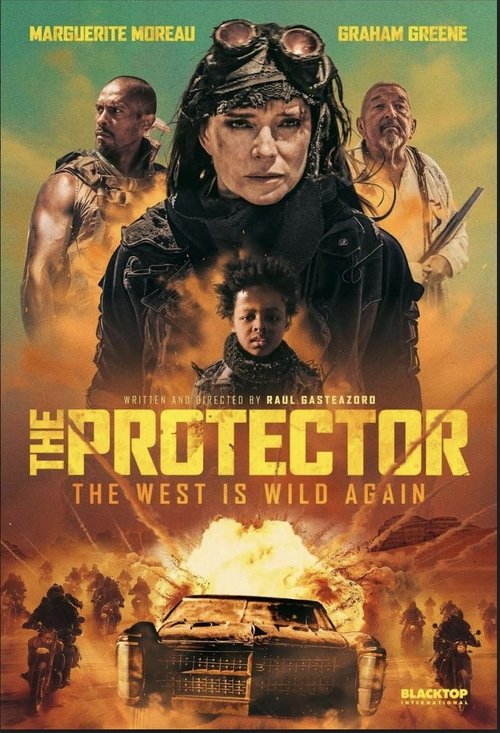
The Protector - Review
The Protector (2025): A Review
In a parched future where water is the new gold, "The Protector," released on May 23rd, 2025, plunges us into a desperate struggle for survival. Director Anya Sharma delivers a gritty, action-packed thriller that’s as much a commentary on environmental exploitation as it is a showcase of resilience. But does it quench our thirst for a truly compelling cinematic experience? Let's dive in.
Plot Summary: A Dust Bowl Odyssey
The narrative unfolds in the arid remnants of the American Southwest, years after a catastrophic drought has decimated the landscape. Water, once a freely flowing resource, is now a tightly controlled commodity, fiercely guarded by ruthless corporations and opportunistic warlords. Our protagonist, Maya (played with fierce intensity by Isabella Rodriguez), is a hardened convict, serving time for a past she desperately tries to outrun. When a seemingly impossible offer of freedom is presented – protect a young boy named Kai (newcomer Ethan Miller, in a surprisingly nuanced performance) – Maya reluctantly accepts. Kai, it turns out, is believed to possess a unique connection to the region's last remaining source of freshwater, hidden deep beneath a Native American reservation. This reservation, once a vibrant community, is now a battleground between the tribe fiercely protecting their ancestral lands and the encroaching forces of OmniCorp, a monolithic corporation determined to exploit the water for their own profit.
The plot thickens as Maya and Kai embark on a perilous journey through the desolate landscape, pursued by OmniCorp's relentless security forces, led by the chillingly efficient Commander Thorne (a standout performance by veteran actor Marcus Bell). Along the way, they encounter a diverse cast of characters – desperate survivors, tribal elders, and rogue scientists – each with their own motivations and allegiances. The script, penned by the team of Davies and Lee, is tight and well-paced, with enough twists and turns to keep the audience engaged. However, some might find the reliance on familiar dystopian tropes a bit predictable. The core strength of the plot lies in its exploration of the desperate measures people will take to survive when faced with the ultimate scarcity.
Characters: Scarred Souls in a Thirsty World
Maya (Isabella Rodriguez): Rodriguez delivers a career-defining performance as Maya. She embodies the character's grit and determination, while also hinting at the vulnerability and pain that lie beneath her tough exterior. Maya is not a typical superhero; she's flawed, haunted by her past, and driven by a desperate desire for redemption. Rodriguez perfectly captures this complexity, making Maya a relatable and compelling protagonist. Her fighting style is brutal and efficient, reflecting her years of survival in a harsh environment. The arc of her character, from a cynical loner to a fiercely protective guardian, is one of the most satisfying aspects of the film.
Kai (Ethan Miller): For a young actor, Miller delivers a surprisingly mature and nuanced performance. Kai is not simply a MacGuffin; he's a complex character with a deep connection to the land and a quiet strength that belies his age. He serves as a moral compass for Maya, reminding her of the importance of hope and compassion in a world that seems to have lost both. The chemistry between Rodriguez and Miller is palpable, creating a believable and emotionally resonant bond between the two characters.
Commander Thorne (Marcus Bell): Bell is perfectly cast as the cold and calculating Commander Thorne. He embodies the ruthlessness of OmniCorp, willing to stop at nothing to achieve their goals. Thorne is not a one-dimensional villain; he's a complex character driven by a twisted sense of duty and a belief in the necessity of his actions. Bell's performance is subtle and understated, making Thorne all the more menacing.
Elder Willow (Irene Nakai): Nakai brings gravitas and wisdom to the role of Elder Willow, the spiritual leader of the Native American tribe. She represents the resilience of her people and their unwavering commitment to protecting their ancestral lands. Willow serves as a bridge between the past and the present, reminding the audience of the importance of respecting the environment and honoring indigenous cultures. Nakai's performance is both powerful and moving, adding depth and authenticity to the film.
While the main characters are well-developed, some of the supporting characters feel somewhat underdeveloped, serving primarily as plot devices rather than fully realized individuals. More screen time dedicated to fleshing out their backstories and motivations would have added greater depth to the overall narrative.
Direction: A Stark Vision of the Future
Anya Sharma's direction is both visually striking and thematically resonant. She creates a believable and immersive dystopian world, drawing inspiration from films like "Mad Max: Fury Road" and "Children of Men," but with a distinct visual style. The desolate landscapes are beautifully rendered, emphasizing the harshness of the environment and the desperation of the characters. Sharma effectively uses color palettes to convey mood and atmosphere, with muted tones dominating the landscape and vibrant colors reserved for scenes depicting hope and resilience. The action sequences are well-choreographed and visceral, but never gratuitous, serving to advance the plot and reveal character. Sharma excels at creating a sense of tension and suspense, keeping the audience on the edge of their seats throughout the film. Her attention to detail, from the costumes to the set design, adds to the overall authenticity of the world.
Sharma's previous work, the indie darling "Echoes of the Past," was a character-driven drama with a focus on intimate relationships. "The Protector" represents a significant departure in terms of scale and genre, but Sharma demonstrates her versatility as a director, proving that she can handle both intimate character studies and large-scale action sequences with equal skill. While "Echoes of the Past" was praised for its subtle and nuanced storytelling, "The Protector" is a more overtly political film, tackling issues of environmental exploitation and social injustice head-on. This shift in focus may alienate some fans of Sharma's earlier work, but it also demonstrates her willingness to take risks and explore new themes.
Cinematography: Painting a Parched Canvas
The cinematography, helmed by veteran DP Ben Carter, is nothing short of breathtaking. Carter masterfully captures the stark beauty of the desolate landscapes, using wide shots to emphasize the vastness of the environment and close-ups to convey the characters' emotions. The lighting is particularly effective, creating a sense of harshness and desperation during the day and a sense of mystery and danger at night. Carter's use of natural light adds to the overall realism of the film. The action sequences are filmed with a kinetic energy that keeps the audience engaged, but never loses sight of the characters' humanity. The camera work is both dynamic and purposeful, serving to enhance the storytelling and create a visually compelling experience.
One particularly memorable scene involves a chase through a dust storm, where Carter uses slow motion and creative camera angles to convey the chaos and disorientation of the environment. Another standout sequence features a nighttime raid on an OmniCorp outpost, where Carter uses low-key lighting and shadow to create a sense of suspense and danger. The film's visual style is reminiscent of "Sicario" and "Hell or High Water," but with a distinct dystopian twist. The color grading is expertly done, enhancing the overall aesthetic and creating a visually cohesive world.
Performances: A Cast That Delivers
As mentioned previously, Isabella Rodriguez delivers a standout performance as Maya, imbuing the character with grit, vulnerability, and a fierce determination. Ethan Miller is equally impressive as Kai, bringing a quiet strength and emotional depth to the role. Marcus Bell is chillingly effective as Commander Thorne, and Irene Nakai brings gravitas and wisdom to the role of Elder Willow. The supporting cast is also strong, with each actor bringing their own unique talents to the film. Overall, the performances are one of the strongest aspects of "The Protector," elevating the material and creating a believable and emotionally resonant experience.
Rodriguez's physical transformation for the role is also noteworthy. She clearly dedicated herself to embodying the character's physicality, undergoing rigorous training and adopting a hardened demeanor. Her commitment to the role is evident in every scene, making Maya a truly believable and compelling protagonist. Miller's performance is all the more impressive considering his young age and relative inexperience. He holds his own against veteran actors like Rodriguez and Bell, proving that he is a talent to watch.
Themes and Messages: More Than Just a Thirst for Water
"The Protector" is more than just a dystopian action thriller; it's a film with a powerful message about environmental responsibility, social justice, and the importance of hope in the face of despair. The film explores the consequences of unchecked corporate greed and the dangers of exploiting natural resources for profit. It also highlights the importance of protecting indigenous cultures and respecting their connection to the land. The film's message is particularly relevant in today's world, as we grapple with the challenges of climate change and environmental degradation. "The Protector" serves as a cautionary tale, reminding us of the need to act now to protect our planet and ensure a sustainable future for all.
The film also explores themes of redemption and forgiveness. Maya's journey from a hardened convict to a protector is a testament to the power of second chances. Her relationship with Kai allows her to confront her past and find a sense of purpose in her life. The film also suggests that even in the darkest of times, hope can still prevail. Kai's unwavering belief in the power of nature and his connection to the land serve as a reminder that there is always hope for a better future.
Comparisons: Standing on the Shoulders of Giants
"The Protector" draws inspiration from a variety of sources, including classic dystopian films like "Mad Max: Fury Road," "Children of Men," and "Waterworld." It also shares thematic similarities with films like "Avatar" and "Dances with Wolves," which explore the relationship between humans and nature and the importance of respecting indigenous cultures. However, "The Protector" is not simply a derivative work; it brings its own unique perspective to the genre, offering a fresh and relevant take on familiar themes. While "Mad Max" focuses on the lawlessness and chaos of a post-apocalyptic world, "The Protector" is more concerned with the environmental and social consequences of resource scarcity. "Children of Men" explores the themes of hope and despair in a world without a future, while "The Protector" suggests that hope can still be found even in the darkest of times.
Compared to Anya Sharma's previous work, "The Protector" represents a significant departure in terms of genre and scale. "Echoes of the Past" was a character-driven drama with a focus on intimate relationships, while "The Protector" is a large-scale action thriller with a broader thematic scope. However, both films share Sharma's commitment to strong female characters and her ability to create believable and emotionally resonant relationships. While "Echoes of the Past" was praised for its subtle and nuanced storytelling, "The Protector" is a more overtly political film, tackling issues of environmental exploitation and social injustice head-on. This shift in focus may alienate some fans of Sharma's earlier work, but it also demonstrates her versatility as a director and her willingness to take risks.
Positive Aspects: A Thirst-Quenching Experience
There's a lot to admire in "The Protector." The performances are uniformly strong, the direction is visually striking and thematically resonant, the cinematography is breathtaking, and the plot is engaging and well-paced. The film's message about environmental responsibility and social justice is particularly relevant in today's world. The action sequences are well-choreographed and visceral, but never gratuitous. The chemistry between Isabella Rodriguez and Ethan Miller is palpable, creating a believable and emotionally resonant bond between their characters. The film's world-building is impressive, creating a believable and immersive dystopian environment. The score, composed by Hans Zimmer Jr. (following in his father's footsteps, seemingly), is appropriately epic and emotionally evocative.
Constructive Criticism: Room for Improvement
Despite its many strengths, "The Protector" is not without its flaws. Some might find the reliance on familiar dystopian tropes a bit predictable. Some of the supporting characters feel somewhat underdeveloped, serving primarily as plot devices rather than fully realized individuals. The film's pacing falters slightly in the second act, with a few scenes feeling unnecessarily drawn out. While the film's message is important, it occasionally feels a bit heavy-handed. A bit more subtlety in conveying the themes would have been appreciated. The ending, while satisfying, feels somewhat rushed, leaving some questions unanswered. A longer runtime to allow for a more deliberate resolution would have benefited the film.
Conclusion: A Worthy Addition to the Dystopian Canon
"The Protector" is a well-crafted and thought-provoking dystopian thriller that offers a timely and relevant message about environmental responsibility and social justice. While it may not break new ground in terms of genre conventions, it delivers a compelling and emotionally resonant experience that will stay with you long after the credits roll. Anya Sharma has proven herself to be a director to watch, and Isabella Rodriguez has cemented her status as a rising star. Despite some minor flaws, "The Protector" is a worthy addition to the dystopian canon and a must-see for fans of the genre.