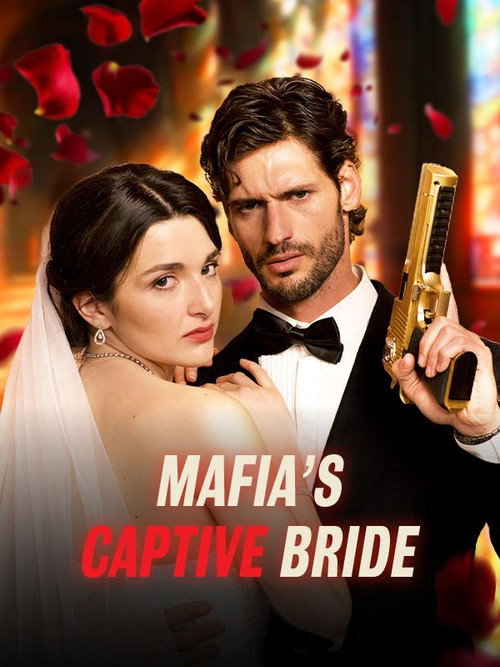
Mafia's Captive Bride - Review
Mafia's Captive Bride: A Tangled Web of Love and Loyalty
Mafia's Captive Bride, released on June 9th, 2025, promises a whirlwind romance amidst the treacherous backdrop of the Italian mafia. Directed by the up-and-coming Anya Petrova, this film delves into the complexities of forced marriage, unexpected love, and the fight for agency within a world governed by power and tradition. While the premise might sound familiar, Petrova attempts to inject fresh life into the well-trodden "mafia romance" genre. But does it succeed? Let's dive in.
Plot: A Dance of Captivity and Consent
The film opens with a poignant scene: Elena (played with captivating vulnerability by Isabella Rossi) visiting her mother's grave. This moment of quiet reflection is shattered when a rival gang ambushes Sebastian (Marco Bellini, oozing charisma and menace), the ruthless head of the Rossi crime family. Elena, driven by instinct, throws herself in front of a bullet, saving Sebastian's life. He, feeling indebted and perhaps something more, "takes" her as his bride, believing this act solidifies his power and ensures her safety (in his twisted logic).
The initial act is a whirlwind of forced obedience and simmering resentment. Elena is thrust into a world of lavish mansions, armed guards, and whispered threats. She's defiant, refusing to be a passive pawn in Sebastian's game. We see her attempt to escape, subtly undermine his authority, and even try to reason with him, all while navigating the dangerous politics of his organization. The plot thickens as rival families circle, sensing weakness in Sebastian's unconventional marriage. There's a power struggle within the Rossi family itself, with Sebastian's consigliere, Marco (played with chilling efficiency by Alessandro Mancini), subtly plotting to usurp him.
The second act focuses on the slow burn of attraction between Elena and Sebastian. Despite the forced nature of their union, a genuine connection begins to form. Sebastian is intrigued by Elena's spirit and resilience, traits he rarely encounters in his insulated world. He starts to soften, revealing glimpses of the man beneath the hardened exterior – a man haunted by his past and burdened by responsibility. Elena, in turn, sees the pain and vulnerability that Sebastian tries to hide. She begins to understand the weight of his choices and the sacrifices he's made to protect his family (both blood and mafia).
The final act is a crescendo of conflict. The rival families make their move, Marco's treachery is revealed, and Elena finds herself caught in the crossfire. She must choose between her growing feelings for Sebastian and her desire for freedom. The climax involves a tense standoff, a betrayal, and a shocking revelation about Elena's own family history, which ties her fate inextricably to the Rossi family legacy. The ending is bittersweet, leaving the audience questioning the true nature of love and loyalty within the confines of the mafia world.
Characters: Flawed Individuals in a Morally Gray World
Elena: Isabella Rossi delivers a standout performance as Elena. She's not a damsel in distress waiting to be rescued. Instead, she's a strong-willed woman who fights for her autonomy, even when faced with insurmountable odds. Rossi perfectly captures Elena's vulnerability, her fear, and her unwavering determination. Her character arc is the most compelling aspect of the film, as she evolves from a captive to a powerful force within the Rossi family.
Sebastian: Marco Bellini embodies the brooding intensity of a mafia boss. He's magnetic and dangerous, capable of both ruthless violence and surprising tenderness. Bellini manages to make Sebastian a sympathetic character, despite his morally questionable actions. We see the burden of leadership weighing on him, the constant threat of betrayal, and the deep-seated loneliness that drives him. His transformation from a cold-hearted leader to a man capable of genuine affection is believable and engaging.
Marco: Alessandro Mancini provides a chilling portrayal of Marco, Sebastian's consigliere. He's the embodiment of ambition and cunning, expertly manipulating events from behind the scenes. Mancini's performance is subtle and understated, making Marco's eventual betrayal all the more impactful. He's the perfect antagonist, a constant reminder of the dangers lurking within the mafia world.
Supporting Characters: While Elena, Sebastian, and Marco dominate the screen, the supporting characters are somewhat underdeveloped. They serve primarily as plot devices, furthering the narrative but lacking depth and complexity. This is a missed opportunity, as fleshing out the supporting cast could have added more layers to the world and heightened the emotional stakes.
Direction and Cinematography: A Visual Feast with a Dark Undercurrent
Anya Petrova's direction is confident and assured. She masterfully creates a sense of tension and atmosphere, drawing the audience into the dark and dangerous world of the Italian mafia. Petrova's use of visual symbolism is particularly effective, using light and shadow to represent the shifting power dynamics between Elena and Sebastian. The lavish settings, from opulent mansions to dimly lit back alleys, are beautifully rendered, adding to the film's visual appeal.
The cinematography, helmed by veteran DP Luca Bianchi, is stunning. Bianchi's use of color palettes is particularly noteworthy. The scenes in the Rossi mansion are often bathed in warm, golden light, creating a sense of luxury and comfort, while the scenes involving rival gangs are shot in cold, harsh tones, emphasizing the danger and brutality of the mafia world. The camera work is dynamic and engaging, using sweeping shots to capture the grandeur of the Italian landscape and close-ups to convey the characters' emotions.
However, the film occasionally relies on clichés of the genre. The slow-motion action sequences, while visually impressive, feel somewhat gratuitous and detract from the overall realism of the film. Similarly, the frequent use of dramatic music cues can be overbearing, telegraphing emotions that could have been conveyed more subtly through the actors' performances.
Themes and Messages: Power, Control, and the Price of Freedom
Mafia's Captive Bride explores several complex themes, including power, control, and the price of freedom. The film examines the ways in which power can corrupt, leading individuals to make morally questionable choices. Sebastian's initial decision to "take" Elena as his bride is a clear example of this, highlighting the abuse of power inherent in the mafia world.
The film also delves into the theme of control, exploring the ways in which individuals attempt to exert control over their own lives and the lives of others. Elena's fight for autonomy is a central focus of the film, as she resists Sebastian's attempts to control her and assert her own agency. The film suggests that true freedom lies not in escaping external constraints but in finding inner strength and resilience.
Furthermore, the film raises questions about the nature of love and loyalty. Can genuine love blossom in a relationship built on coercion and control? Can loyalty be bought or is it earned through trust and respect? The film doesn't offer easy answers to these questions, instead prompting the audience to consider the complexities of human relationships within a morally ambiguous context.
Performances: Rossi and Bellini Shine
The success of Mafia's Captive Bride hinges largely on the performances of Isabella Rossi and Marco Bellini. Both actors deliver nuanced and compelling portrayals of their characters, bringing depth and complexity to roles that could have easily fallen into cliché. Rossi's performance is particularly noteworthy, as she manages to convey Elena's strength and vulnerability with equal skill. Bellini is equally impressive, capturing the brooding intensity and hidden vulnerability of Sebastian. Their chemistry is palpable, making their evolving relationship believable and engaging.
Alessandro Mancini also deserves praise for his chilling portrayal of Marco. He embodies the quiet menace of a seasoned manipulator, subtly undermining Sebastian's authority while maintaining a façade of loyalty. The supporting cast, while somewhat underdeveloped, provides solid performances, contributing to the overall realism of the film.
Comparisons: Echoes of the Past, a Glimmer of Originality
Mafia's Captive Bride inevitably draws comparisons to other films in the "mafia romance" genre, such as *The Godfather* (for its depiction of mafia power dynamics) and *Malèna* (for its exploration of female agency in a patriarchal society). It also shares similarities with contemporary works like *365 Days*, but with a more nuanced and less exploitative approach to the "captive romance" trope. Anya Petrova's direction, while borrowing elements from these predecessors, manages to inject a degree of originality into the film, particularly in its exploration of Elena's internal struggles and its refusal to romanticize the violence and brutality of the mafia world.
Compared to Petrova's previous work, *The Silent Symphony* (a critically acclaimed independent drama), Mafia's Captive Bride represents a significant departure in terms of genre and scale. While *The Silent Symphony* was a character-driven piece focused on intimate relationships, Mafia's Captive Bride is a more ambitious and action-packed film. However, both films share Petrova's keen eye for visual detail and her ability to elicit strong performances from her actors.
Positive Aspects: Strong Performances, Compelling Narrative, and Visual Appeal
Mafia's Captive Bride boasts several strengths. The performances of Isabella Rossi and Marco Bellini are exceptional, bringing depth and nuance to their characters. The narrative is compelling, exploring complex themes of power, control, and love within a morally ambiguous context. The cinematography is stunning, creating a visually rich and immersive experience. Anya Petrova's direction is confident and assured, demonstrating her talent for creating tension and atmosphere.
Constructive Criticism: Underdeveloped Supporting Characters, Occasional Clichés
Despite its strengths, Mafia's Captive Bride is not without its flaws. The supporting characters are somewhat underdeveloped, serving primarily as plot devices rather than fully realized individuals. The film occasionally relies on clichés of the genre, such as slow-motion action sequences and overbearing music cues. The pacing is uneven at times, with the second act feeling slightly drawn out. Furthermore, the ending, while bittersweet, leaves some questions unanswered, which may frustrate some viewers.
Conclusion: A Worthy Entry into the Mafia Romance Genre
Mafia's Captive Bride is a compelling and visually stunning film that explores complex themes of power, control, and love within the treacherous world of the Italian mafia. While it occasionally falls into genre clichés and suffers from underdeveloped supporting characters, the strong performances of Isabella Rossi and Marco Bellini, combined with Anya Petrova's confident direction, make it a worthwhile entry into the mafia romance genre. It's a film that will leave you thinking about the complexities of human relationships and the price of freedom in a world governed by power and tradition.
Rating: 7.5/10