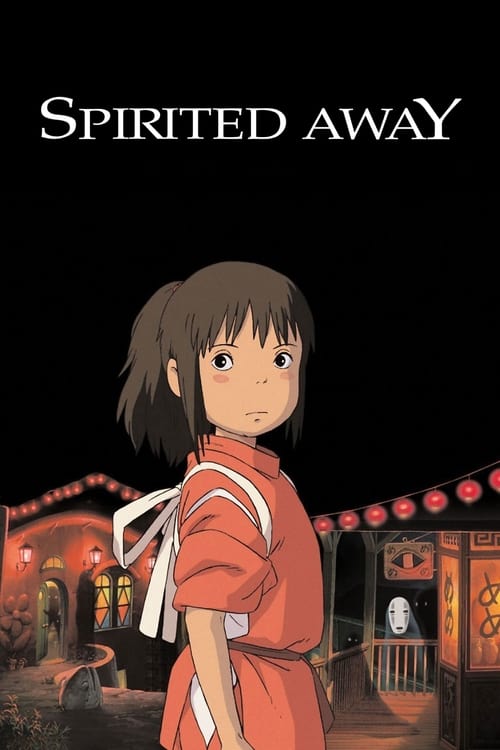
Spirited Away - Review
Spirited Away: A Timeless Masterpiece of Imagination and Heart
Hayao Miyazaki's Spirited Away, released in 2001, isn't just an animated film; it's an experience. It's a breathtaking journey into a world of wonder, fear, and ultimately, self-discovery. From the moment Chihiro steps through the mysterious tunnel and into the spirit world, viewers are transported to a realm where the rules of reality bend and the power of courage and kindness are the only things that truly matter. More than two decades later, Spirited Away continues to captivate audiences of all ages, solidifying its place as a cinematic landmark and a testament to the enduring power of storytelling. This review delves into the film's intricate layers, exploring its plot, characters, direction, cinematography, themes, and overall impact.
Plot: A Journey of Transformation and Courage
The plot of Spirited Away centers on Chihiro Ogino, a sullen and reluctant ten-year-old girl who is uprooted from her comfortable life when her family moves to a new town. While driving to their new home, her father takes a wrong turn, leading them to a mysterious tunnel and an abandoned amusement park. Drawn by the enticing aroma of food, Chihiro's parents begin to gorge themselves at an empty stall, only to be transformed into pigs. Stranded and terrified, Chihiro finds herself alone in a world populated by spirits, gods, and mythical creatures.
To survive and rescue her parents, Chihiro must navigate this unfamiliar and often dangerous world. She secures a job at Yubaba's bathhouse, a lavish establishment where spirits come to relax and rejuvenate. Stripped of her name and renamed Sen, Chihiro must prove her worth and resourcefulness while facing numerous challenges. She encounters a colorful cast of characters, some helpful, some menacing, and some with hidden agendas. Through her interactions with them, and particularly with the enigmatic Haku, Chihiro begins to shed her spoiled and fearful nature, discovering inner strength and resilience she never knew she possessed.
The narrative structure is deceptively simple, following a classic hero's journey archetype. However, Miyazaki masterfully layers complexity into this framework. The episodic nature of Chihiro's experiences within the bathhouse allows for a constant stream of new characters and challenges, keeping the audience engaged and constantly surprised. The film avoids simplistic good-versus-evil tropes, presenting characters with nuanced motivations and blurring the lines between friend and foe. This moral ambiguity adds depth and realism to the fantastical setting.
Characters: A Symphony of Personalities
One of the greatest strengths of Spirited Away lies in its memorable and richly developed characters. Chihiro's transformation from a whiny and insecure child to a courageous and compassionate young woman is the heart of the film. Her initial reluctance and fear are relatable, making her eventual growth all the more inspiring. She is not a perfect heroine; she makes mistakes, gets scared, and sometimes acts impulsively. But it is precisely these flaws that make her so human and endearing.
Haku, the mysterious and powerful dragon spirit who becomes Chihiro's ally, is another standout character. His connection to Chihiro is shrouded in mystery, and his true identity is gradually revealed throughout the film. His loyalty and willingness to protect Chihiro, even at great personal risk, make him a compelling and sympathetic figure.
Yubaba, the greedy and tyrannical sorceress who runs the bathhouse, is a formidable antagonist. Her insatiable desire for gold and her ruthless treatment of her employees create a palpable sense of tension and danger. However, even Yubaba is not entirely without redeeming qualities. Her dedication to her baby son, Boh, reveals a softer side beneath her harsh exterior.
Other memorable characters include Kamaji, the boiler room operator with his multiple arms, Lin, the gruff but ultimately kind bathhouse worker, and No-Face, a lonely and misunderstood spirit who craves connection and acceptance. Each character, no matter how minor, is given a distinct personality and contributes to the rich tapestry of the spirit world. The character designs are also exceptional, ranging from the grotesque to the ethereal, perfectly capturing the diverse and fantastical nature of the inhabitants of the bathhouse.
Direction: Miyazaki's Visionary Touch
Hayao Miyazaki's direction is nothing short of masterful. He creates a world that is both fantastical and believable, drawing viewers into a realm that feels both alien and strangely familiar. His attention to detail is remarkable, from the intricate architecture of the bathhouse to the subtle expressions on the characters' faces.
Miyazaki's use of pacing is particularly effective. The film takes its time to establish the setting and characters, allowing viewers to fully immerse themselves in the spirit world. The quieter moments, such as Chihiro's solitary walks through the bathhouse or her tender interactions with Haku, are just as important as the action-packed sequences. These moments allow the audience to connect with the characters on an emotional level and appreciate the beauty and wonder of the world Miyazaki has created.
Furthermore, Miyazaki's commitment to hand-drawn animation gives Spirited Away a unique and timeless quality. The fluidity of the animation and the expressiveness of the character designs are unmatched by many contemporary animated films. He eschews the reliance on CGI that has become prevalent in the animation industry, opting instead for a more traditional and organic approach. This artistic choice contributes significantly to the film's overall charm and enduring appeal.
Cinematography: A Visual Feast
The cinematography of Spirited Away is a visual feast. The film is filled with stunning imagery, from the vibrant colors of the bathhouse to the serene beauty of the surrounding landscapes. The use of light and shadow is particularly effective, creating a sense of depth and atmosphere. The scenes depicting the spirit world at night are especially breathtaking, with glowing lanterns illuminating the streets and casting long, eerie shadows.
Miyazaki's use of perspective is also noteworthy. He often employs wide shots to showcase the grandeur of the bathhouse and the vastness of the spirit world, emphasizing Chihiro's smallness and vulnerability. Conversely, he uses close-ups to capture the characters' emotions and reactions, drawing the audience into their inner worlds.
The film's color palette is rich and varied, with each color carefully chosen to evoke a specific mood or emotion. The warm hues of the bathhouse create a sense of comfort and security, while the cool colors of the spirit world at night evoke a sense of mystery and danger. The overall visual style of Spirited Away is both beautiful and immersive, making it a truly unforgettable cinematic experience.
Performances: Bringing the Characters to Life
The voice acting in Spirited Away is exceptional, both in the original Japanese version and in the English dub. Rumi Hiiragi delivers a nuanced and believable performance as Chihiro, capturing her initial fear and uncertainty as well as her eventual courage and determination. Miyu Irino provides a strong and sensitive portrayal of Haku, conveying his intelligence, loyalty, and inner turmoil.
Mari Natsuki is perfectly cast as Yubaba, imbuing the character with both menace and a touch of vulnerability. Suzanne Pleshette's performance in the English dub is equally impressive, capturing Yubaba's domineering personality and her distinctive cackle. The supporting cast is also excellent, with each actor bringing their own unique talents to their respective roles. The quality of the voice acting contributes significantly to the film's overall emotional impact.
Themes and Messages: A Tapestry of Meaning
Spirited Away is a film rich in themes and messages, exploring a variety of complex issues. One of the most prominent themes is the importance of courage and self-reliance. Chihiro's journey is one of self-discovery, as she learns to overcome her fears and rely on her own strength to survive. She demonstrates that even the most ordinary person is capable of extraordinary things when faced with adversity.
Another important theme is the importance of identity and memory. Chihiro's name is stolen by Yubaba, and she is forced to adopt a new identity as Sen. This act symbolizes the loss of innocence and the challenges of adapting to a new environment. The film also explores the power of memory, as Chihiro's ability to remember her true name is crucial to her survival and her ability to break Yubaba's spell.
Environmentalism is another recurring theme in Miyazaki's work, and Spirited Away is no exception. The polluted river spirit that Chihiro cleanses represents the damage that humans inflict on the natural world. The film suggests that it is our responsibility to protect the environment and to treat all living things with respect.
Finally, Spirited Away explores the dangers of greed and consumerism. Chihiro's parents' transformation into pigs is a direct result of their gluttony and their desire for material possessions. The film warns against the dangers of unchecked consumerism and the importance of valuing things beyond their monetary worth.
Comparison to Other Films and Works
Spirited Away shares similarities with other films in the fantasy genre, such as Alice in Wonderland and The Wizard of Oz. Like these classic tales, Spirited Away features a young protagonist who is transported to a strange and fantastical world. However, Miyazaki's film distinguishes itself through its unique visual style, its complex characters, and its exploration of Japanese mythology and folklore.
Spirited Away also shares common themes and stylistic elements with other works by Hayao Miyazaki, such as My Neighbor Totoro, Princess Mononoke, and Kiki's Delivery Service. Like these films, Spirited Away features a strong female protagonist, a focus on environmentalism, and a blend of fantasy and realism. However, Spirited Away is arguably Miyazaki's most ambitious and visually stunning film, showcasing his unparalleled talent for world-building and character development.
While comparing Spirited Away to other animated films, it's clear that Miyazaki's work stands apart. While Disney and Pixar often focus on simplified narratives and broad comedic appeals, Miyazaki delves into deeper emotional and thematic territory. His films are not just for children; they are for anyone who appreciates artful storytelling and imaginative world-building. The handcrafted feel of the animation, the complex characters, and the profound messages make Spirited Away a truly unique and unforgettable cinematic experience.
Positive Aspects and Constructive Criticism
Spirited Away is a masterpiece of animation, boasting stunning visuals, unforgettable characters, and a deeply resonant story. The film's themes of courage, self-reliance, and environmentalism are timeless and universal. Miyazaki's direction is impeccable, and the voice acting is superb. The film's cultural significance cannot be overstated, having introduced countless viewers to the beauty and richness of Japanese animation and storytelling.
However, even a film as exceptional as Spirited Away is not without its minor flaws. Some viewers may find the film's pacing to be slow at times, particularly in the middle act. The sheer number of characters and plot threads can also be overwhelming for some audience members. Additionally, the film's ending, while satisfying, may feel somewhat abrupt to some viewers. The resolution of certain character arcs, such as No-Face's, could have been explored further.
Furthermore, while the film's ambiguity is generally a strength, some viewers may find certain aspects of the plot to be confusing or unresolved. The exact nature of Haku's relationship to Chihiro, for example, is left somewhat open to interpretation. However, these minor criticisms are ultimately overshadowed by the film's many strengths. They do little to diminish the overall impact and lasting legacy of Spirited Away.
Conclusion and Rating
Spirited Away is more than just an animated film; it's a work of art. It's a testament to the power of imagination, the importance of courage, and the enduring strength of the human spirit. Hayao Miyazaki has created a world that is both fantastical and deeply human, filled with unforgettable characters and breathtaking visuals. While it may have some minor pacing issues and some ambiguity in the plot, these are minor quibbles in the face of such a powerful and moving film.
Spirited Away is a film that will stay with you long after the credits roll, prompting reflection and inspiring a sense of wonder. It is a film that can be enjoyed by audiences of all ages and backgrounds, a true cinematic treasure that deserves its place among the greatest animated films of all time. For its breathtaking visuals, compelling story, unforgettable characters, and enduring themes, Spirited Away earns a well-deserved:
Rating: 10/10