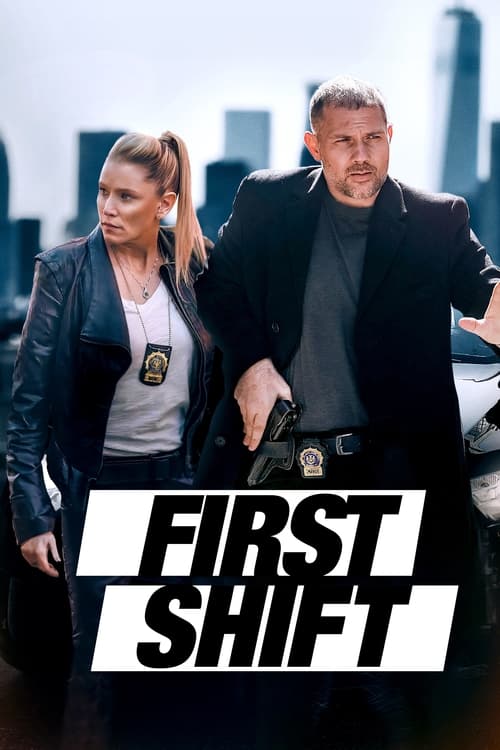
First Shift - Review
First Shift: A Gritty Dive into the Heart of NYPD Chaos
The siren wails, a guttural cry echoing through the concrete canyons of New York City. It’s the soundtrack to "First Shift," a relentless crime thriller that throws viewers headfirst into the maelstrom of a day in the life of two NYPD officers. Forget the sanitized, procedural dramas – this is raw, visceral, and unflinchingly realistic. Director Sarah Chen delivers a masterclass in tension, weaving a narrative that's both a heart-pounding action spectacle and a character-driven exploration of duty, sacrifice, and the unexpected bonds forged in the face of constant danger. But does "First Shift" manage to maintain its momentum and deliver a truly unforgettable experience, or does it succumb to the tropes of the genre? Let's dive in.
Plot: A Whirlwind of Peril and Pressure
The film wastes no time establishing its premise. We're introduced to Mike (played with weary gravitas by veteran actor James Harding), a seasoned NYPD officer haunted by past traumas, and Angela (rising star Anya Rodriguez), a rookie cop fresh out of the academy, eager to prove herself. Their first shift together is anything but ordinary. What begins as routine patrol quickly spirals into a series of escalating crises, from a seemingly simple domestic dispute that explodes into a hostage situation to a high-stakes pursuit of a notorious drug kingpin.
Chen skillfully interweaves these storylines, creating a sense of constant pressure and unpredictability. The plot isn't particularly groundbreaking, relying on familiar tropes of the crime thriller genre, but it's the execution that elevates it. The script, penned by debut screenwriter Ethan Miller, is tight and efficient, prioritizing action and character development over excessive exposition. There are moments of genuine surprise and suspense, keeping the audience on the edge of their seats. The pacing is relentless, mirroring the chaotic energy of the city itself. While the overarching narrative might feel somewhat predictable at times, the individual encounters and the way they test Mike and Angela's resolve are consistently compelling.
However, the film does suffer from a slight case of plot convenience. Some of the coincidences and connections between the various criminal elements feel a little forced, straining believability. For example, the seemingly unrelated domestic dispute somehow ties directly into the drug kingpin investigation, a connection that feels somewhat contrived. While these plot contrivances don't completely derail the film, they do detract slightly from its overall realism.
Characters: Forging Bonds in the Crucible of Chaos
The strength of "First Shift" lies in its characters. Mike is a complex and layered protagonist, burdened by the weight of his past experiences. Harding delivers a nuanced performance, conveying Mike's cynicism and weariness while still hinting at the underlying empathy that drives him to protect and serve. He's not a superhero; he's a flawed and vulnerable man struggling to cope with the constant violence and trauma that comes with the job. His mentorship of Angela is a key element of the film, providing a sense of hope and redemption amidst the darkness.
Angela, on the other hand, represents the idealism and optimism of youth. Rodriguez shines in the role, capturing Angela's initial naivety and enthusiasm while also showcasing her growing resilience and determination. She's not just a damsel in distress; she's a strong and capable officer who learns quickly and adapts to the challenges she faces. Her relationship with Mike is the heart of the film, a dynamic of mentor and mentee that evolves into a deep and abiding friendship. Their contrasting personalities and perspectives create a compelling and believable dynamic.
The supporting characters, while less developed, are equally well-cast and effectively portrayed. The various criminals and victims they encounter are not simply cardboard cutouts; they're presented as complex individuals with their own motivations and struggles. This adds a layer of moral ambiguity to the film, forcing the audience to question their own perceptions of right and wrong.
One minor criticism is that the film could have delved deeper into the backstories of some of the supporting characters. While their motivations are generally clear, exploring their personal lives and motivations in more detail would have added further depth and complexity to the narrative.
Direction: A Masterclass in Tension and Realism
Sarah Chen's direction is nothing short of masterful. She creates a palpable sense of tension and realism, immersing the viewer in the gritty world of NYPD law enforcement. Her use of handheld cameras and close-ups adds to the immediacy and intensity of the action sequences. The camera rarely stays still, mirroring the constant movement and chaos of the city. Chen avoids the glossy, over-stylized approach that often plagues action films, opting instead for a more grounded and authentic aesthetic.
Chen's ability to build suspense is particularly impressive. She skillfully uses sound design and editing to create a sense of unease and anticipation, even in seemingly mundane scenes. The film is punctuated by moments of sudden violence, which are all the more shocking because they are so unexpected. These moments are not gratuitous; they serve to highlight the unpredictable and dangerous nature of police work.
The action sequences are well-choreographed and realistically portrayed. Chen avoids the over-the-top acrobatics and unrealistic stunts that often characterize action films. Instead, she focuses on the physicality and brutality of close-quarters combat. The fight scenes are visceral and impactful, leaving the viewer feeling breathless and shaken.
While Chen excels at creating tension and action, she also demonstrates a keen eye for character development. She allows the actors to breathe and inhabit their roles, creating believable and relatable characters. Her direction is subtle and nuanced, allowing the performances to speak for themselves.
Cinematography: Painting a Portrait of Urban Decay
The cinematography, helmed by veteran DP David Miller (no relation to the screenwriter), is a crucial element of the film's success. Miller captures the raw beauty and gritty reality of New York City with stunning clarity. He uses a muted color palette to create a sense of urban decay and despair. The city is not portrayed as a glamorous tourist destination; it's a harsh and unforgiving environment where danger lurks around every corner.
Miller's use of light and shadow is particularly effective. He uses natural light whenever possible, creating a sense of authenticity. The nighttime scenes are bathed in darkness, adding to the sense of unease and suspense. The contrast between light and shadow is used to dramatic effect, highlighting the moral ambiguities of the characters and the situations they face.
The camera work is dynamic and engaging, mirroring the energy and chaos of the city. Miller uses a variety of camera angles and movements to create a sense of immediacy and immersion. The handheld camera work adds to the realism of the action sequences, while the wide shots capture the scale and grandeur of the city.
One minor criticism is that the film could have benefited from more establishing shots of the city. While the cinematography effectively captures the gritty reality of the streets, it sometimes lacks a sense of context. More wide shots of the city skyline and iconic landmarks would have helped to ground the film in its setting.
Performances: Harding and Rodriguez Shine
The performances in "First Shift" are uniformly excellent. James Harding delivers a career-defining performance as Mike, a veteran cop haunted by his past. He brings a depth and complexity to the role that is rarely seen in action films. His portrayal of Mike's cynicism and weariness is both believable and sympathetic. He's not just a tough guy; he's a human being struggling to cope with the emotional toll of his job.
Anya Rodriguez is equally impressive as Angela, the rookie cop eager to prove herself. She captures Angela's initial naivety and enthusiasm while also showcasing her growing resilience and determination. Her chemistry with Harding is palpable, creating a believable and engaging dynamic. She's not just a sidekick; she's a fully realized character with her own motivations and struggles.
The supporting cast is also strong, with each actor bringing a unique perspective to their role. The various criminals and victims they encounter are not simply stereotypes; they're presented as complex individuals with their own stories to tell. This adds a layer of moral ambiguity to the film, forcing the audience to question their own perceptions of right and wrong.
Special mention should be made of Ricardo Diaz, who plays the drug kingpin, Javier. Diaz brings a chilling intensity to the role, portraying Javier as a ruthless and calculating villain. He's not just a generic bad guy; he's a complex and multifaceted character with his own motivations and beliefs.
Themes and Messages: Duty, Sacrifice, and Redemption
"First Shift" explores several important themes, including duty, sacrifice, and redemption. The film examines the moral complexities of police work, highlighting the challenges and sacrifices that officers face on a daily basis. It also explores the themes of trauma and PTSD, showing the long-term effects of violence and stress on the human psyche.
The film also touches on the themes of race and social justice. The characters come from diverse backgrounds, and their interactions are often shaped by their experiences with prejudice and discrimination. The film doesn't shy away from addressing these issues, but it does so in a nuanced and thoughtful way.
Ultimately, "First Shift" is a story about hope and redemption. Despite the violence and despair that they witness, Mike and Angela never lose their faith in humanity. They continue to fight for justice, even when it seems impossible. Their unwavering commitment to duty and their willingness to sacrifice for others is a testament to the enduring power of the human spirit.
The film also subtly examines the cyclical nature of violence. Mike, haunted by his past, is determined to prevent Angela from making the same mistakes he did. He sees in her a chance to break the cycle of violence and create a better future. This theme of mentorship and redemption adds a layer of emotional depth to the film.
Comparison to Similar Films
"First Shift" can be compared to other gritty crime thrillers such as "Training Day," "End of Watch," and "Narc." Like those films, "First Shift" offers a realistic and unflinching portrayal of police work. However, "First Shift" distinguishes itself through its focus on character development and its exploration of the themes of trauma and redemption.
Compared to "Training Day," "First Shift" is less overtly moralistic. While "Training Day" presents a clear dichotomy between good and evil, "First Shift" explores the moral gray areas that officers often face. The characters in "First Shift" are not simply good or bad; they're complex individuals with their own flaws and motivations.
Compared to "End of Watch," "First Shift" is less reliant on found footage techniques. While "End of Watch" uses a documentary-style approach to create a sense of realism, "First Shift" employs a more traditional cinematic style. This allows Chen to focus on the characters and the story without being constrained by the limitations of the found footage format.
Compared to "Narc," "First Shift" is less focused on the corrupting influence of the drug trade. While "Narc" explores the dark side of police work and the temptations that officers face, "First Shift" focuses more on the emotional toll of the job and the bonds that officers form in the face of adversity.
Positive Aspects
- Strong performances by James Harding and Anya Rodriguez.
- Masterful direction by Sarah Chen.
- Realistic and gritty cinematography.
- Compelling and suspenseful plot.
- Exploration of important themes such as duty, sacrifice, and redemption.
Constructive Criticism
- Some plot contrivances strain believability.
- Supporting characters could have been more developed.
- Could have benefited from more establishing shots of the city.
Conclusion and Rating
"First Shift" is a gripping and unforgettable crime thriller that delivers on its promise of raw action and emotional depth. Sarah Chen's direction is masterful, the performances are outstanding, and the cinematography is stunning. While the film suffers from some minor plot contrivances and could have benefited from more character development, these flaws are ultimately overshadowed by its many strengths. "First Shift" is a must-see for fans of the genre and a testament to the power of independent filmmaking.
Rating: 8.5/10