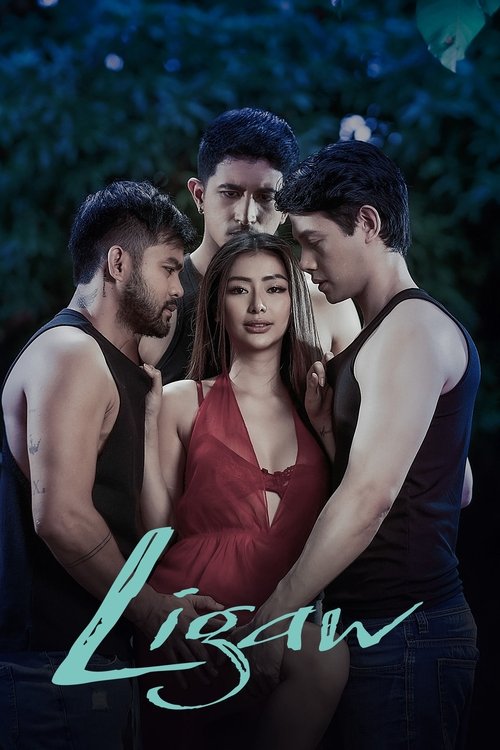
Ligaw - Review
"Ligaw" (2025): A Torrent of Passion in a Landscape of Secrecy
Ligaw, released on May 9th, 2025, is not just another romance drama; it's a visceral exploration of desire, duty, and the crushing weight of unspoken needs. Director Anya Velasco carves a poignant narrative out of a seemingly simple premise – a married woman's affair – transforming it into a complex tapestry of human emotions set against the breathtaking, yet isolating, backdrop of a remote Philippine province. The film, starring the captivating Elena Rodriguez as Dolores, the devoted wife, and the charismatic newcomer, Marco Santos, as the mountaineer, Miguel, is a slow burn that ignites into a roaring fire, leaving the audience grappling with the moral ambiguities and the raw, undeniable power of human connection.
Plot: A Dance of Longing and Transgression
The film opens with establishing shots of the serene provincial landscape – rolling hills, lush rice paddies, and the imposing silhouette of Mount Kanlaon in the distance. This idyllic setting, however, belies the quiet desperation simmering within Dolores. She is the dutiful wife to Rafael (played with heartbreaking vulnerability by veteran actor, Ricardo Diaz), a paraplegic confined to his wheelchair after a logging accident. Dolores' days are a monotonous cycle of caregiving, punctuated by fleeting moments of connection with her husband, who, despite his physical limitations, exudes a deep-seated resentment towards his helplessness and, perhaps, towards Dolores' unwavering devotion.
The arrival of Miguel, a young, adventurous mountaineer, disrupts this stagnant equilibrium. He comes to the province to explore the uncharted trails of Mount Kanlaon, his youthful energy and unbridled passion for life a stark contrast to the stifling atmosphere of Dolores' home. Their initial encounters are seemingly innocent – a shared smile, a brief conversation about the mountain, a helping hand offered. But beneath the surface, a powerful attraction begins to brew. Velasco masterfully uses subtle cues – lingering glances, unspoken words, the charged atmosphere during their chance encounters – to build the tension, creating a palpable sense of anticipation.
The affair begins gradually, almost imperceptibly. A shared hike to a secluded waterfall, a stolen kiss under the cloak of twilight, a whispered confession of loneliness. These moments, beautifully captured by the film's cinematographer, are not mere acts of lust; they are desperate attempts to escape the confines of their respective realities. Dolores finds in Miguel a sense of freedom and excitement she thought she had lost forever, while Miguel is drawn to Dolores' strength, her resilience, and the unspoken pain that resides within her eyes.
As the affair deepens, the stakes rise. The secrecy becomes increasingly difficult to maintain, and the guilt begins to gnaw at Dolores. She grapples with the conflicting emotions of love, loyalty, and remorse, torn between her duty to Rafael and her undeniable desire for Miguel. The film doesn't shy away from the complexities of the situation, presenting Dolores as a flawed, but ultimately sympathetic, character.
The climax of the film is a tense confrontation between Dolores, Rafael, and Miguel, fueled by suspicion, jealousy, and years of pent-up resentment. The truth is revealed, shattering the fragile peace that had existed within the community. The consequences are devastating, forcing Dolores to make a difficult choice that will forever alter the course of her life.
Characters: A Study in Contrasts and Compelling Performances
The strength of Ligaw lies not only in its compelling plot but also in its well-developed and nuanced characters.
- Dolores (Elena Rodriguez): Rodriguez delivers a career-defining performance as Dolores. She embodies the character's quiet strength, her suppressed desires, and her agonizing internal conflict with remarkable authenticity. Her eyes convey a depth of emotion that words cannot express, and her portrayal of Dolores' transformation from a dutiful wife to a passionate lover is both believable and heartbreaking. Rodriguez masterfully navigates the complexities of the character, making her both relatable and morally ambiguous.
- Miguel (Marco Santos): Santos, in his debut role, is a revelation. He brings a youthful energy and a raw vulnerability to the character of Miguel. He is not simply a romantic ideal; he is a flawed individual grappling with his own insecurities and his own desires. Santos portrays Miguel's infatuation with Dolores with a genuine sincerity, making their connection feel both passionate and believable. His performance is nuanced and surprisingly mature, showcasing a promising future for the young actor.
- Rafael (Ricardo Diaz): Diaz's portrayal of Rafael is a masterclass in understated acting. He conveys the character's bitterness, his resentment, and his underlying love for Dolores with a quiet dignity. He is not simply a victim; he is a complex individual struggling to come to terms with his physical limitations and his perceived loss of control. Diaz's performance is both heartbreaking and infuriating, making Rafael a truly memorable character.
The supporting characters, while not as central to the plot, are equally well-developed and contribute to the overall richness of the narrative. They represent the various facets of the community, each with their own perspectives on love, loyalty, and morality.
Direction and Cinematography: Painting a Picture of Passion and Isolation
Anya Velasco's direction is masterful, creating a slow-burning atmosphere of tension and desire. She allows the story to unfold organically, relying on subtle cues and nuanced performances to convey the characters' inner turmoil. Velasco's use of natural light and the stunning provincial landscape adds a layer of authenticity and visual beauty to the film. She expertly uses the environment to reflect the characters' emotional states, creating a powerful sense of connection between the human drama and the natural world.
The cinematography, by veteran cinematographer, Benigno Cruz, is breathtaking. He captures the beauty of the Philippine countryside with stunning clarity, creating a visual feast for the eyes. Cruz's use of light and shadow is particularly effective in creating a sense of intimacy and secrecy during the intimate moments between Dolores and Miguel. The long shots of the mountain range emphasize the characters' isolation and the vastness of their surroundings, while the close-ups capture the raw emotion in their faces. Cruz's work is a perfect complement to Velasco's direction, elevating the film to a new level of artistic achievement.
Themes and Messages: Exploring the Boundaries of Love and Duty
Ligaw explores several complex themes, including:
- The Nature of Love and Desire: The film challenges conventional notions of love and explores the complexities of human desire. It suggests that love is not always rational or predictable and that it can often lead to unexpected and even destructive consequences.
- The Weight of Duty and Responsibility: Dolores is torn between her duty to her husband and her desire for personal fulfillment. The film explores the sacrifices that women often make in the name of duty and the toll that these sacrifices can take on their emotional well-being.
- The Power of Secrecy and Deception: The affair between Dolores and Miguel is built on a foundation of secrecy and deception. The film examines the corrosive effects of these secrets on the characters' relationships and on the community as a whole.
- The Search for Meaning and Purpose: All three main characters are searching for meaning and purpose in their lives. Dolores seeks escape from her monotonous routine, Miguel seeks adventure and connection, and Rafael seeks to regain his sense of self-worth.
The film doesn't offer easy answers or moral judgments. Instead, it presents a nuanced and complex exploration of these themes, leaving the audience to grapple with the moral ambiguities and the human consequences of the characters' choices.
Comparisons: Echoes of the Past, a Voice of its Own
Ligaw inevitably draws comparisons to other films that explore similar themes of adultery and forbidden love, such as "Madame Bovary" and "The Bridges of Madison County." However, Velasco's film distinguishes itself through its unique cultural context and its nuanced portrayal of the characters' motivations. Unlike the tragic figure of Emma Bovary, Dolores is not simply a victim of her own romantic fantasies. She is a strong and resilient woman who is actively seeking to reclaim her own agency.
Velasco's previous work, "Mga Anino sa Tag-init" (Shadows in Summer), also explored themes of female desire and societal expectations. However, Ligaw is a more mature and sophisticated work, showcasing Velasco's growth as a filmmaker. The performances are stronger, the cinematography is more visually stunning, and the narrative is more complex and emotionally resonant.
Positive Aspects: A Triumph of Storytelling and Performance
Ligaw is a triumph on several levels:
- Exceptional Performances: The performances of Elena Rodriguez, Marco Santos, and Ricardo Diaz are all outstanding. They bring depth, nuance, and authenticity to their respective roles, making the characters feel real and relatable.
- Masterful Direction: Anya Velasco's direction is confident and assured, creating a slow-burning atmosphere of tension and desire.
- Stunning Cinematography: Benigno Cruz's cinematography is visually breathtaking, capturing the beauty of the Philippine countryside and enhancing the emotional impact of the story.
- Compelling Narrative: The story is engaging, thought-provoking, and emotionally resonant, exploring complex themes of love, duty, and desire.
- Authentic Cultural Context: The film is rooted in the rich cultural context of the Philippines, adding a layer of authenticity and depth to the narrative.
Constructive Criticism: Areas for Potential Improvement
While Ligaw is a highly successful film, there are a few areas where it could have been even stronger:
- Pacing: The film's slow-burn pacing may not appeal to all audiences. While the gradual build-up of tension is effective, some viewers may find the film to be too slow at times. A tighter edit could have helped to maintain the momentum without sacrificing the emotional depth of the story.
- Character Development (Miguel): While Marco Santos delivers a strong performance, Miguel's character could have been developed further. His motivations for pursuing the affair with Dolores are not always entirely clear, and a deeper exploration of his backstory could have added another layer of complexity to the narrative.
- Ending: The ending of the film is somewhat ambiguous, leaving the audience to wonder about the ultimate fate of the characters. While this ambiguity is intentional, some viewers may find it unsatisfying. A more definitive resolution, even if it were tragic, could have provided a greater sense of closure.
Conclusion: A Must-See for Lovers of Thought-Provoking Cinema
Ligaw is a powerful and emotionally resonant film that will stay with you long after the credits roll. It is a testament to the power of storytelling and the enduring appeal of human drama. Anya Velasco has crafted a masterpiece that explores the complexities of love, duty, and desire with remarkable sensitivity and intelligence. The performances are exceptional, the direction is masterful, and the cinematography is stunning. Despite its minor flaws, Ligaw is a must-see for lovers of thought-provoking cinema.