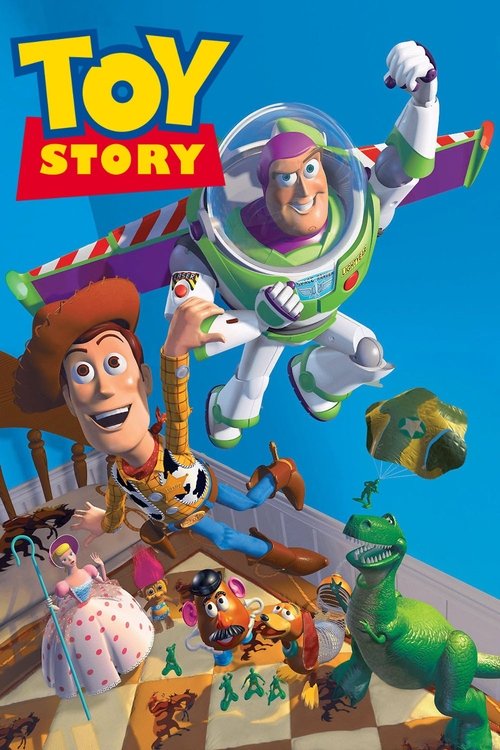
Toy Story - Review
Toy Story: A Timeless Classic That Still Resonates
In 1995, Pixar Animation Studios, a relatively unknown entity at the time, unleashed a cinematic revolution upon the world with Toy Story. More than just a children's film, it was a groundbreaking achievement in animation, a heartwarming tale of friendship, and a poignant exploration of growing up. Over a quarter of a century later, Toy Story remains as vibrant, relevant, and emotionally resonant as it was upon its initial release. But does this seemingly perfect film stand up to rigorous scrutiny? Let's delve into the magic, the mechanics, and the lasting legacy of this animated masterpiece.
Plot: A Buddy Comedy with a Twist
The story centers around Andy Davis, a young boy whose room is a vibrant world inhabited by his beloved toys. Led by Woody, a pull-string cowboy doll and Andy's favorite, the toys live a secret life, engaging in elaborate games and maintaining a strict hierarchy. Their idyllic existence is shattered by the arrival of Buzz Lightyear, a space ranger action figure who genuinely believes he's a real space explorer on a mission to return to his home planet. Woody, suddenly threatened by Buzz's popularity and the possibility of being replaced as Andy's favorite, feels a surge of jealousy and resentment.
Woody's initial attempts to undermine Buzz backfire spectacularly, resulting in both of them being accidentally lost outside of Andy's home. Stranded in the dangerous "real world," the unlikely duo must overcome their animosity and learn to work together to return to Andy before he moves to a new house. Their journey is fraught with peril, including encounters with Sid Phillips, Andy's sadistic neighbor who delights in torturing toys. As they navigate these challenges, Woody and Buzz slowly begin to understand each other, forging a bond of friendship that transcends their initial rivalry.
The plot, while seemingly simple, is expertly crafted. It's a classic buddy comedy setup, but with a unique twist: the protagonists are toys with existential anxieties. The story moves at a brisk pace, seamlessly blending humor, action, and moments of genuine emotional depth. The stakes are clearly defined, and the audience is immediately invested in the characters' plight. The climax, a daring rescue mission from Sid's house, is both thrilling and satisfying, culminating in a heartwarming reunion with Andy.
Characters: Iconic and Endearing
Toy Story's success hinges significantly on its memorable and relatable characters.
Woody
Woody, voiced with charm and vulnerability by Tom Hanks, is the heart of the film. He's a loyal and dependable leader, but also insecure and prone to jealousy. His struggle to accept Buzz's arrival and relinquish his position as Andy's favorite is a relatable conflict, reflecting the anxieties of growing up and facing change. Woody's arc, from insecure leader to selfless friend, is one of the most compelling aspects of the film.
Buzz Lightyear
Buzz Lightyear, brilliantly voiced by Tim Allen, is the perfect foil to Woody. His unwavering belief in his identity as a space ranger, despite all evidence to the contrary, is both hilarious and endearing. Buzz's journey of self-discovery, as he slowly realizes he's just a toy, is a poignant exploration of identity and purpose. His unwavering optimism and courage, even in the face of disillusionment, make him a truly inspiring character.
Supporting Characters
The supporting characters are equally well-developed and contribute significantly to the film's charm. Mr. Potato Head, voiced by Don Rickles, provides acerbic wit and comedic relief. Slinky Dog, voiced by Jim Varney, is the loyal and supportive friend. Rex, voiced by Wallace Shawn, is the anxious and self-doubting dinosaur. Hamm, voiced by John Ratzenberger, is the sarcastic piggy bank. Each character has a distinct personality and contributes to the dynamic of the toy community.
Even the villain, Sid Phillips, is more than just a cardboard cutout. He's a disturbed child who represents the destructive potential of unchecked imagination. His mistreatment of toys serves as a cautionary tale about empathy and responsibility.
Direction and Cinematography: A Groundbreaking Achievement
Directed by John Lasseter, Toy Story was a groundbreaking achievement in computer-animated filmmaking. It was the first feature-length film to be entirely computer-animated, a feat that was considered impossible at the time. Lasseter's vision and leadership were instrumental in bringing the story to life and pushing the boundaries of animation technology.
The film's visual style is vibrant and engaging. The characters are expressive and believable, despite their stylized designs. The environments are richly detailed and immersive, creating a world that feels both familiar and fantastical. The use of lighting and shadow is particularly impressive, adding depth and realism to the animation.
The cinematography, while limited by the technology of the time, is surprisingly dynamic. The camera angles and movements are well-chosen, creating a sense of energy and excitement. The film also makes effective use of visual storytelling, conveying emotions and information through visual cues rather than relying solely on dialogue.
Compared to contemporary animation, Toy Story's visuals might seem dated. However, its artistic achievements and innovative spirit remain undeniable. It set a new standard for animated filmmaking and paved the way for the CGI animation we see today.
Performances: Vocal Brilliance
The voice acting in Toy Story is exceptional. Tom Hanks and Tim Allen deliver career-defining performances as Woody and Buzz, respectively. They bring depth, nuance, and emotional resonance to their characters, making them feel like real people (or, well, real toys). Their chemistry is palpable, and their comedic timing is impeccable.
The supporting cast is equally impressive. Don Rickles's acerbic wit as Mr. Potato Head is unforgettable. Jim Varney's portrayal of Slinky Dog is heartwarming and endearing. Wallace Shawn's anxiousness as Rex is both funny and relatable. John Ratzenberger's sarcasm as Hamm provides comedic relief. Each actor brings their unique talents to the table, creating a vibrant and memorable ensemble cast.
The success of Toy Story's voice acting lies in its authenticity. The actors don't just read their lines; they embody their characters, bringing them to life with their voices and inflections. This level of commitment and artistry is what elevates the film from a technical achievement to a truly emotional experience.
Themes and Messages: Growing Up, Friendship, and Purpose
Toy Story is more than just a fun and entertaining film; it's also a thoughtful exploration of several important themes.
Growing Up
The film explores the anxieties and challenges of growing up. Woody's fear of being replaced by Buzz reflects the fear of losing one's place in the world as things change. Andy's impending move represents the inevitable transition from childhood to adulthood. The film suggests that growing up is a natural process, but it doesn't have to mean abandoning the things you love. It's about embracing change while holding onto the memories and relationships that are important to you.
Friendship
The film celebrates the power of friendship. Woody and Buzz's initial rivalry gives way to a deep and enduring bond. They learn to overcome their differences and work together to achieve a common goal. Their friendship is a testament to the importance of empathy, understanding, and forgiveness. The film suggests that true friendship can transcend differences and overcome any obstacle.
Purpose
The film explores the theme of purpose. Buzz's initial belief in his identity as a space ranger is shattered when he realizes he's just a toy. He struggles to find meaning in his existence, but ultimately discovers that his purpose lies in bringing joy to Andy. The film suggests that purpose is not something you're born with; it's something you create. It's about finding meaning in your relationships and contributing to the world in your own unique way.
Comparison to Other Films
Toy Story broke new ground in animation and storytelling, making direct comparisons difficult. However, certain elements resonate with earlier films. The buddy comedy aspect can be seen in films like Butch Cassidy and the Sundance Kid, where two contrasting personalities are forced to work together. The theme of toys coming to life has been explored in films like Babes in Toyland (1934) and The Nutcracker and the Four Realms, but Toy Story added a layer of emotional depth and realism that was previously unseen.
In terms of Lasseter's earlier work, Toy Story built upon the foundation laid by his short films like Luxo Jr. and Tin Toy, which explored the potential of computer animation and the emotional lives of inanimate objects. Toy Story expanded these concepts into a full-length narrative, creating a world that was both visually stunning and emotionally resonant.
Later films, particularly within the Pixar canon, owe a significant debt to Toy Story. Films like Monsters, Inc. and Finding Nemo follow a similar formula of pairing contrasting characters on a journey of self-discovery, with a focus on humor, heart, and visual spectacle. Toy Story set the standard for Pixar's storytelling and animation style, influencing countless animated films that followed.
Positive Aspects
Toy Story is a film that excels on every level. Its strengths include:
- Groundbreaking Animation: The film's computer animation was revolutionary for its time and still holds up remarkably well.
- Compelling Story: The plot is well-paced, engaging, and emotionally resonant.
- Memorable Characters: Woody, Buzz, and the supporting cast are all iconic and relatable.
- Exceptional Voice Acting: Tom Hanks, Tim Allen, and the entire cast deliver outstanding performances.
- Universal Themes: The film explores themes of growing up, friendship, and purpose that resonate with audiences of all ages.
- Lasting Legacy: Toy Story has had a profound impact on animation and popular culture.
Constructive Criticism
While Toy Story is undeniably a masterpiece, it's not without its minor flaws.
- Visual Limitations: The computer animation, while groundbreaking for its time, is noticeably dated compared to modern CGI. The textures and character models lack the detail and realism of contemporary animated films.
- Sid's Character: While Sid serves as an effective antagonist, his characterization could be seen as somewhat simplistic. He's portrayed as purely evil, without much nuance or explanation for his behavior.
- Lack of Female Representation: The film features a predominantly male cast of characters. Jessie, the cowgirl doll, wasn't introduced until Toy Story 2. This lack of female representation is a common criticism of early animated films.
These criticisms are minor, however, and do little to detract from the overall quality and impact of the film. They are more a reflection of the limitations of the technology and cultural norms of the time, rather than fundamental flaws in the storytelling or character development.
Conclusion
Toy Story is more than just a children's film; it's a cinematic landmark that redefined animation and captured the hearts of audiences worldwide. Its groundbreaking visuals, compelling story, memorable characters, and universal themes have made it a timeless classic. While the animation may show its age, the film's heart and soul remain as vibrant as ever. Toy Story is a must-see for anyone who appreciates great storytelling and the power of animation.
Rating: 9.5/10