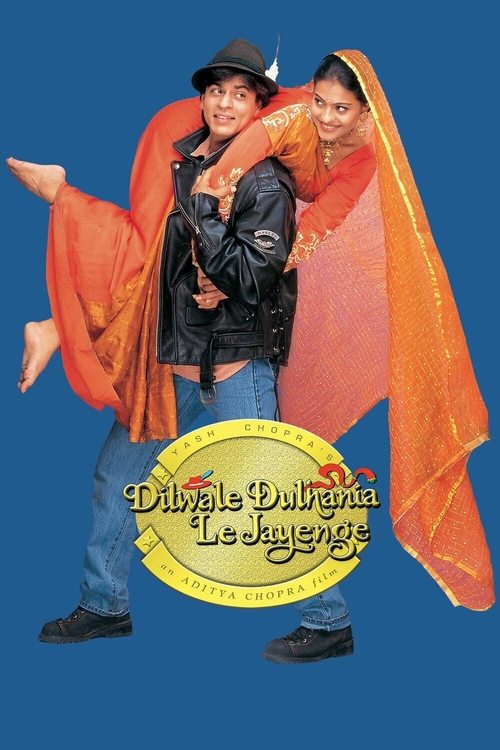
Dilwale Dulhania Le Jayenge - Review
Dilwale Dulhania Le Jayenge: A Timeless Love Story That Redefined Bollywood Romance
Dilwale Dulhania Le Jayenge (DDLJ), released in 1995, is more than just a film; it's a cultural phenomenon. A love story that resonated with generations, DDLJ etched itself into the hearts of Indians worldwide, becoming a benchmark for romance in Bollywood cinema. Directed by Aditya Chopra in his directorial debut, the film stars Shah Rukh Khan and Kajol, a pairing that would become synonymous with on-screen chemistry. But does this legendary film still hold up after all these years? Let's delve into the magic of DDLJ and explore its enduring appeal.
Plot: A Journey of Love and Tradition
The story revolves around Raj Malhotra (Shah Rukh Khan), a charming and carefree NRI living in London, and Simran Singh (Kajol), a young woman bound by tradition and her father's strict adherence to Indian values. Simran dreams of a life beyond her father's expectations, a life hinted at in the romantic fantasies she indulges in. Her dreams seem shattered when her father, Chaudhary Baldev Singh (Amrish Puri), announces her arranged marriage to Kuljeet (Parmeet Sethi), a seemingly perfect Indian boy from their village.
Before the wedding, Simran is granted a month-long trip to Europe with her friends. It's on this trip that she meets Raj. Initially, their interactions are marked by playful banter and contrasting personalities. Raj, with his flirtatious nature, and Simran, with her reserved demeanor, clash and challenge each other. However, as they travel through picturesque European landscapes, their differences give way to a deep and undeniable connection. They fall in love, but Simran, bound by her duty to her family, refuses to elope with Raj.
Raj, determined to win Simran's hand with her family's blessing, follows her to India. He embarks on a mission to win over Chaudhary Baldev Singh and the entire family, not through force or defiance, but through respect, tradition, and genuine affection. He endures the family's disapproval, participates in their customs, and proves his worthiness. The film culminates in a dramatic climax at the train station, where Simran is about to be forced into marrying Kuljeet. Chaudhary Baldev Singh, witnessing Raj's unwavering love and Simran's silent plea, finally relents and allows them to be together.
Characters: Iconic and Endearing
DDLJ's characters are not just figures on a screen; they are archetypes that have been embraced by audiences. Each character, even the supporting ones, is well-defined and contributes to the film's overall narrative.
Raj Malhotra (Shah Rukh Khan)
Raj is the quintessential romantic hero. He's charming, witty, and rebellious, but beneath his playful exterior lies a deep sense of respect and a commitment to tradition. He's not just trying to win a girl; he's trying to win her family's approval. Shah Rukh Khan's portrayal of Raj is iconic, establishing him as the "King of Romance" in Bollywood. His effortless charisma and infectious energy make Raj instantly likable and relatable.
Simran Singh (Kajol)
Simran is the embodiment of the conflicted Indian woman, torn between her desires and her duty. She's not a passive character; she possesses inner strength and conviction. Kajol portrays Simran with vulnerability and grace, capturing her internal struggle with nuance and sensitivity. Her eyes convey a thousand emotions, making her a truly compelling character.
Chaudhary Baldev Singh (Amrish Puri)
Baldev Singh is the strict, tradition-bound father figure. He represents the older generation's adherence to Indian values and their resistance to Western influences. Amrish Puri's performance is powerful and nuanced. He doesn't portray Baldev Singh as a villain, but as a man who believes he's acting in his daughter's best interest. His eventual change of heart is all the more impactful because of the strength and conviction he displays throughout the film.
Supporting Characters
The supporting characters, including Raj's friends (played by Anupam Kher, Karan Johar, and Arjun Sablok), Simran's mother (Achala Sachdev), and her younger sister Chutki (Pooja Ruparel), add depth and humor to the film. Anupam Kher, as Raj's father, provides comic relief and offers sage advice. Pooja Ruparel, as Chutki, is adorable and adds a touch of innocence to the story.
Direction: Aditya Chopra's Masterful Debut
Aditya Chopra's direction in DDLJ is nothing short of masterful. As a debut director, he demonstrated a keen understanding of storytelling, character development, and visual aesthetics. He successfully blended elements of romance, comedy, and drama, creating a film that appeals to a wide audience. Chopra's attention to detail is evident in every scene, from the costumes and set design to the music and choreography.
He skillfully uses the European landscapes to create a romantic atmosphere, while the scenes in Punjab are steeped in Indian culture and tradition. He manages to balance the modern and the traditional, creating a film that celebrates both. Chopra's direction is what elevates DDLJ from a simple love story to a cultural phenomenon.
Cinematography: Capturing the Beauty of Love and Landscapes
Manmohan Singh's cinematography is visually stunning. He captures the beauty of the European landscapes and the vibrancy of Punjab with equal finesse. The use of color is particularly effective, enhancing the romantic mood of the film. The camera work is fluid and dynamic, drawing the viewer into the story. The iconic scenes, such as the train sequence and the mustard field scene, are beautifully shot and have become ingrained in popular culture.
Performances: Shah Rukh Khan and Kajol's Unforgettable Chemistry
The performances in DDLJ are exceptional across the board. Shah Rukh Khan and Kajol's chemistry is electrifying, making their love story believable and captivating. They effortlessly portray the emotions of their characters, from the initial playful banter to the deep and passionate love that develops between them. Their on-screen pairing is considered one of the most iconic in Bollywood history.
Amrish Puri delivers a powerful and nuanced performance as Chaudhary Baldev Singh. He brings a gravitas to the role, making his character both intimidating and sympathetic. The supporting cast also delivers solid performances, adding depth and humor to the film.
Themes and Messages: Tradition, Love, and Cultural Identity
DDLJ explores several important themes, including:
Tradition vs. Modernity
The film grapples with the tension between tradition and modernity, particularly within the context of the Indian diaspora. Simran's internal conflict represents the struggle of many young Indians living abroad, who are torn between their cultural heritage and the allure of Western values. The film ultimately suggests that it's possible to embrace both tradition and modernity, finding a balance that allows individuals to stay true to their roots while also pursuing their dreams.
Love and Sacrifice
DDLJ celebrates the power of love and the sacrifices people are willing to make for it. Raj is willing to endure the disapproval of Simran's family and undergo numerous challenges to win her hand. Simran is willing to sacrifice her own happiness to honor her family's wishes. The film suggests that true love requires commitment, sacrifice, and a willingness to overcome obstacles.
Cultural Identity
The film explores the complexities of cultural identity, particularly for NRIs. The characters are constantly negotiating their identities, trying to maintain their Indian values while living in a Western society. DDLJ reinforces the importance of cultural heritage and the need to stay connected to one's roots, even when living abroad.
Comparison to Other Films and Works
DDLJ set a new standard for Bollywood romance, influencing countless films that followed. Its success can be attributed to its blend of classic storytelling elements with modern sensibilities. While many Bollywood films of the time focused on either rebellious love stories or overly dramatic family sagas, DDLJ struck a balance between the two. It borrowed elements from earlier romantic comedies like "Qayamat Se Qayamat Tak" (1988) but presented them in a more contemporary and relatable context.
Shah Rukh Khan and Kajol's on-screen chemistry was compared to that of other iconic Bollywood couples, such as Amitabh Bachchan and Rekha. However, their pairing in DDLJ felt fresh and modern, appealing to a younger audience. Aditya Chopra's directorial style was also influenced by his father, Yash Chopra, a veteran filmmaker known for his romantic dramas. However, Aditya Chopra brought his own unique vision to DDLJ, creating a film that felt both familiar and innovative.
Positive Aspects
- Iconic Performances: Shah Rukh Khan and Kajol's chemistry is undeniable and unforgettable.
- Masterful Direction: Aditya Chopra's debut is a testament to his storytelling abilities.
- Beautiful Cinematography: The film is visually stunning, capturing the beauty of Europe and India.
- Enduring Themes: The themes of tradition, love, and cultural identity resonate with audiences even today.
- Memorable Music: The film's soundtrack is iconic and timeless.
Constructive Criticism
- Pacing: The film's second half can feel slightly slow at times.
- Predictability: The plot follows a fairly predictable formula for a romantic comedy.
- Stereotypes: Some of the characters, particularly Kuljeet, are somewhat stereotypical.
Conclusion
Dilwale Dulhania Le Jayenge is more than just a film; it's a cultural touchstone. While it may have some minor flaws, its enduring appeal lies in its timeless themes, iconic performances, and masterful direction. It's a film that celebrates the power of love, the importance of tradition, and the complexities of cultural identity. DDLJ continues to captivate audiences, reminding us of the magic of Bollywood romance. It's a film that deserves its place in cinematic history.
Rating: 9.5/10