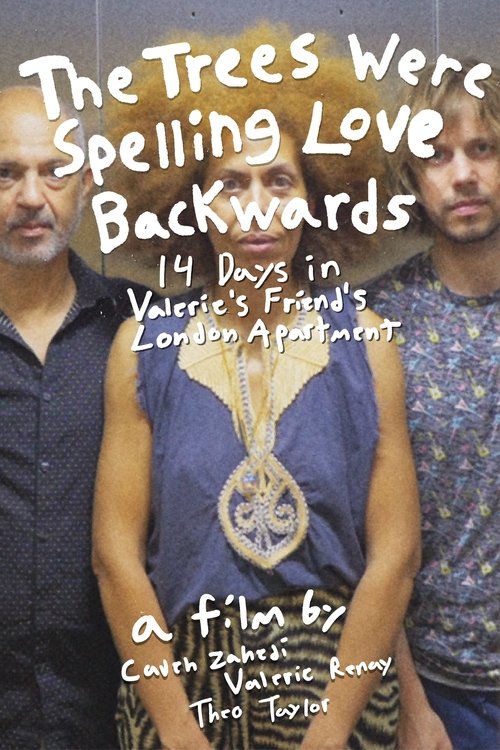
The Trees Were Spelling Love Backwards - Review
Review: "The Trees Were Spelling Love Backwards" - A Raw and Uncomfortably Intimate Pandemic Romance
Caveh Zahedi, the cinematic provocateur known for his unflinchingly honest and often excruciatingly personal films, returns with "The Trees Were Spelling Love Backwards," a documentary chronicling his burgeoning relationship with a French-Caribbean singer and performance artist during the peak of the COVID-19 pandemic. More than just a romance, the film is an exploration of connection in isolation, the anxieties of intimacy, and the messy reality of artistic collaboration. Prepare to be simultaneously captivated and repulsed, intrigued and uncomfortable, as Zahedi invites you into the most intimate corners of his life, leaving nothing – and I mean nothing – off the table.
Plot: A Zoom Romance Blossoms in the Shadow of a Pandemic
The film's narrative unfolds with a disarming simplicity, mirroring the organic and somewhat haphazard nature of the relationship itself. It begins with the initial online contact between Zahedi and the enigmatic singer, known only as "BF." Their correspondence, initially conducted through text messages, quickly escalates into nightly Zoom calls, a lifeline in the sea of pandemic-induced loneliness. These virtual encounters, presented with a raw and unfiltered honesty, reveal their shared artistic sensibilities, their vulnerabilities, and a growing mutual attraction. The dialogue is often rambling, philosophical, and surprisingly intimate, covering everything from their past relationships to their anxieties about the future.
As the pandemic drags on, the desire to meet in person becomes overwhelming. Travel restrictions, however, create a logistical nightmare. Eventually, they settle on London, leveraging a friend's empty apartment and Zahedi's ex-wife's trip to Maine with their children. The film then transitions into documenting their physical meeting and the subsequent complexities of their relationship. The dynamic shifts from virtual intimacy to the challenges of navigating a real-world connection. Zahedi, ever the self-aware filmmaker, suggests they make a film about their relationship, adding another layer of meta-narrative to the already complex dynamic. This decision becomes both a catalyst for their connection and a source of conflict, blurring the lines between reality and performance, authenticity and artifice.
The plot is less about traditional narrative structure and more about capturing the raw, unfolding reality of a relationship. There are no clear resolutions, no neatly tied-up endings. Instead, the film presents a series of vignettes, moments of connection and disconnection, joy and frustration, leaving the audience to draw their own conclusions about the fate of their relationship.
Characters: The Artist and His Muse, or Something More Complicated?
The characters in "The Trees Were Spelling Love Backwards" are, in essence, Caveh Zahedi and "BF." However, they are far from simple archetypes. Zahedi, as always, presents himself as a deeply flawed and self-aware individual. He is neurotic, insecure, and prone to overthinking, constantly analyzing his own actions and motivations. He is also undeniably charming and intellectually stimulating, capable of engaging in profound conversations about art, life, and love. His vulnerability is both his strength and his weakness, making him a compelling, if sometimes frustrating, protagonist.
"BF," on the other hand, remains somewhat enigmatic throughout the film. She is presented as a talented and independent artist with a strong sense of self. She is playful and passionate, but also fiercely protective of her privacy. Her reactions to Zahedi's relentless self-analysis and his constant filming of their relationship are often guarded, hinting at a deeper complexity beneath her seemingly carefree exterior. The film intentionally keeps her at a slight distance, allowing the audience to experience her through Zahedi's subjective perspective, which adds to the film's overall sense of unease and ambiguity. Is she truly in love with Zahedi, or is she simply intrigued by the opportunity to collaborate on a film? The answer, like much of the film, remains elusive.
The dynamic between Zahedi and "BF" is the heart of the film. It's a push and pull of attraction and resistance, vulnerability and guardedness. They challenge each other, support each other, and ultimately, reveal the complexities of human connection in the age of digital intimacy.
Direction: Unflinching Honesty and Meta-Narrative Exploration
Caveh Zahedi's direction is characterized by his signature style of unflinching honesty and meta-narrative exploration. He is not afraid to expose his own flaws and insecurities, nor is he afraid to break the fourth wall and address the audience directly. This approach creates a sense of intimacy and immediacy, drawing the viewer into the film's world and making them feel like a confidante in Zahedi's personal drama.
The film's structure is deliberately loose and improvisational, reflecting the unpredictable nature of the relationship it portrays. Zahedi allows the camera to roll, capturing both the mundane and the profound moments of their time together. He interweaves Zoom calls, handheld footage, and self-reflexive commentary, creating a collage-like effect that reflects the fragmented and disorienting experience of living through the pandemic. He also incorporates elements of performance art, blurring the lines between reality and fiction, further complicating the film's already complex narrative.
Zahedi's direction is not for everyone. His relentless self-exposure can be off-putting, and his meta-narrative experiments can feel self-indulgent. However, his willingness to take risks and push the boundaries of documentary filmmaking is what makes his work so compelling and unique. He challenges the audience to question the nature of truth, the ethics of representation, and the very act of filmmaking itself.
Cinematography: Raw and Intimate Visuals
The cinematography in "The Trees Were Spelling Love Backwards" is deliberately raw and unpolished, reflecting the film's intimate and personal nature. Much of the film is shot with handheld cameras, creating a sense of immediacy and capturing the spontaneity of the moment. The lighting is often natural, and the framing is sometimes awkward, adding to the film's overall sense of realism.
The Zoom call footage is presented without any embellishment, showcasing the limitations and imperfections of virtual communication. The handheld footage, shot in London, captures the city's atmosphere and the couple's interactions in a natural and unforced manner. The film also incorporates some experimental visual techniques, such as slow motion and time-lapse photography, to emphasize certain moments and create a sense of dreamlike unreality.
The cinematography is not particularly innovative or visually stunning, but it effectively serves the film's purpose of capturing the raw and intimate reality of the relationship. It prioritizes authenticity over aesthetics, creating a visual style that is both intimate and unpretentious.
Performances: Authentic and Vulnerable
The performances in "The Trees Were Spelling Love Backwards" are less about acting and more about being present and vulnerable. Caveh Zahedi, as always, plays himself with an unflinching honesty, exposing his own flaws and insecurities without reservation. He is a master of self-deprecation and self-analysis, making him a compelling, if sometimes uncomfortable, screen presence.
"BF," while not a professional actress, delivers a surprisingly nuanced and authentic performance. She is able to convey a range of emotions, from joy and passion to frustration and resentment, with a natural and understated grace. Her ability to hold her own against Zahedi's relentless self-exposure is a testament to her strength and independence.
The strength of the performances lies in their authenticity. Zahedi and "BF" are not playing characters; they are simply being themselves, allowing the audience to witness their relationship unfold in all its messy and complicated glory.
Themes and Messages: Connection, Isolation, and the Performance of Self
"The Trees Were Spelling Love Backwards" explores a multitude of themes, including the search for connection in an increasingly isolated world, the anxieties of intimacy, the complexities of artistic collaboration, and the performance of self in the age of social media. The film is deeply rooted in the context of the COVID-19 pandemic, highlighting the challenges of maintaining relationships and finding meaning in a time of unprecedented uncertainty.
The film also raises questions about the ethics of documentary filmmaking and the nature of truth. By blurring the lines between reality and fiction, Zahedi challenges the audience to question what they are seeing and to consider the role of the filmmaker in shaping the narrative. Is he simply documenting his relationship, or is he actively constructing it for the sake of the film?
Ultimately, the film is a meditation on the human condition, exploring the universal desires for love, connection, and meaning in a world that often feels chaotic and absurd. It's a reminder that relationships are messy, complicated, and often unpredictable, but that they are also essential to our well-being.
Comparison to Other Films and Previous Works
Caveh Zahedi's filmography is characterized by its unflinching honesty and its meta-narrative experimentation. "The Trees Were Spelling Love Backwards" shares similarities with his previous works, such as "I Am a Sex Addict" and "In the Bathtub of the World," in its willingness to expose his own flaws and insecurities. However, it also represents a departure from his earlier films in its focus on a romantic relationship. While his previous films often explored themes of addiction and self-destruction, this film offers a more nuanced and ultimately hopeful perspective on the possibility of connection and intimacy.
In terms of other similar films, "The Trees Were Spelling Love Backwards" can be compared to documentaries such as "Before Sunrise" (though fictional, it shares a similar focus on intimate dialogue and the exploration of connection) and "Digging for Fire" (which also explores the complexities of a relationship through a fragmented and improvisational narrative). However, Zahedi's film is unique in its level of self-exposure and its meta-narrative experimentation, setting it apart from more conventional documentaries.
Positive Aspects and Constructive Criticism
Positive Aspects:
- Unflinching Honesty: Zahedi's willingness to expose his own flaws and insecurities is both refreshing and compelling.
- Meta-Narrative Exploration: The film's meta-narrative experiments challenge the audience to question the nature of truth and the ethics of representation.
- Authentic Performances: Zahedi and "BF" deliver authentic and vulnerable performances, making the relationship feel real and relatable.
- Exploration of Relevant Themes: The film explores relevant themes such as connection, isolation, and the performance of self in the age of social media.
Constructive Criticism:
- Self-Indulgence: Zahedi's relentless self-exposure can sometimes feel self-indulgent and off-putting.
- Lack of Narrative Structure: The film's loose and improvisational structure can be confusing and frustrating for some viewers.
- Enigmatic "BF" : "BF"'s character could have been further developed to provide a more balanced perspective on the relationship. The reliance on Zahedi's perspective, while intentional, can feel limiting.
- Pacing Issues: Certain sections of the film could have benefited from tighter editing to maintain a consistent level of engagement.
Conclusion
"The Trees Were Spelling Love Backwards" is a challenging and ultimately rewarding film that will stay with you long after the credits roll. Caveh Zahedi's unflinching honesty and meta-narrative experimentation may not be for everyone, but his willingness to take risks and push the boundaries of documentary filmmaking is what makes his work so unique and compelling. The film is a raw and intimate exploration of connection, isolation, and the performance of self in the age of digital intimacy, offering a nuanced and ultimately hopeful perspective on the possibility of finding love and meaning in a chaotic world. While the film suffers from occasional self-indulgence and a lack of narrative structure, its authentic performances and its exploration of relevant themes make it a worthwhile and thought-provoking experience.
Rating: 7.5/10