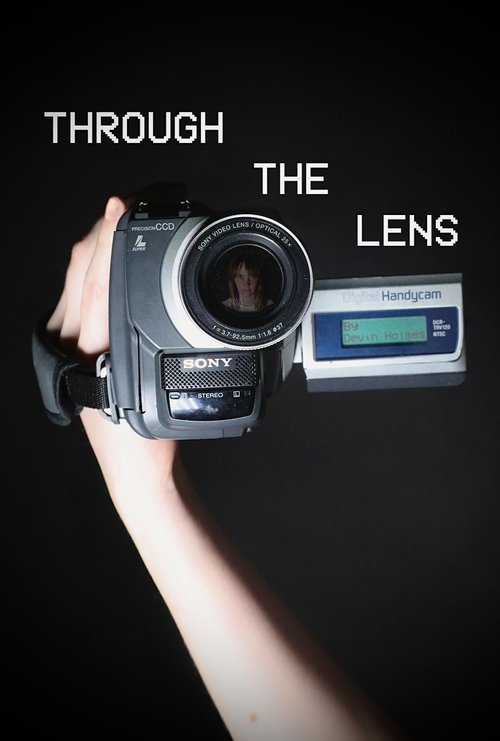
Through The Lens: A Short Film - Review
Through the Lens: A Raw and Urgent Chronicle of Humanity's End - A Review
In a world saturated with post-apocalyptic narratives, standing out from the crowd requires more than just bleak landscapes and desperate survivors. It demands a fresh perspective, a unique voice, and a palpable sense of urgency. "Through the Lens," the short film released on June 7th, 2025, achieves precisely that. Directed by newcomer Elias Thorne and starring the captivating Liam O'Connell as the young documentarian Will Cameron, the film plunges viewers into the heart of what Will believes are the final days of humankind, forcing us to confront not only the potential end but also the profound questions about legacy, meaning, and the power of observation.
Plot: A Chronicle of Collapse
The film's premise is simple yet effective: seventeen-year-old Will Cameron, armed with his camera, sets out to document the unraveling of society. A mysterious, unnamed catastrophe – hinted at through news broadcasts, dwindling resources, and the palpable fear in people's eyes – has brought the world to its knees. "Through the Lens" eschews grand spectacle in favor of intimate observation. We don't see the disaster unfold; we witness its aftermath through Will's eyes. He captures the empty streets, the abandoned homes, the weary faces of those who remain, clinging to hope in a world rapidly losing it. The narrative unfolds as a series of vignettes, each a snapshot of a dying world. We see families scavenging for food, communities banding together for survival, and individuals grappling with the existential dread of facing extinction. While the overall plot is somewhat linear, following Will's journey, the power lies in the individual stories he encounters and the gradual descent into despair that he records. The film avoids explicit exposition, trusting the audience to piece together the fragments of information and infer the nature of the catastrophe. This ambiguity, while occasionally frustrating, ultimately adds to the film's unsettling realism.
Characters: Portraits of Resilience and Despair
Liam O'Connell delivers a phenomenal performance as Will Cameron. He embodies the character's youthful idealism, his growing disillusionment, and his unwavering commitment to his task. Will is not a hero; he's an observer, a recorder. He's grappling with his own fears and uncertainties, but he understands the importance of documenting what's happening, of leaving a record for posterity. O'Connell's portrayal is nuanced and authentic, capturing the vulnerability and resilience of a young man forced to confront the end of the world. The supporting characters, though appearing briefly, are equally compelling. We meet Sarah (portrayed by Maya Singh), a doctor struggling to provide care in a resource-depleted hospital; Mr. Henderson (played by veteran actor David Miller), an elderly man reminiscing about the past; and a group of children clinging to their innocence amidst the chaos. Each character offers a glimpse into the different ways people cope with unimaginable loss and the enduring power of the human spirit. The film cleverly avoids painting these characters as purely good or evil. They are complex individuals, flawed and desperate, making difficult choices in impossible circumstances.
Direction: Intimate and Unflinching
Elias Thorne's direction is masterful, especially considering this is his debut short film. He creates a palpable sense of unease and tension, drawing the viewer into Will's world. The film's pacing is deliberate, allowing moments of quiet contemplation amidst the chaos. Thorne's choice to focus on the human element, rather than the spectacle of destruction, is what sets "Through the Lens" apart. He uses close-ups and handheld camera work to create a sense of intimacy, placing the audience directly alongside Will as he navigates the ravaged landscape. The film's soundtrack is minimalist and haunting, perfectly complementing the visuals and enhancing the emotional impact. Thorne demonstrates a keen understanding of visual storytelling, using subtle cues and symbolic imagery to convey meaning and deepen the narrative. He trusts the audience to interpret the events unfolding on screen, avoiding heavy-handed exposition and allowing the story to unfold organically. While the film's reliance on handheld camera work can occasionally be distracting, it ultimately contributes to the sense of realism and immediacy.
Cinematography: A World Stripped Bare
The cinematography, handled by veteran DP Anya Petrova, is nothing short of breathtaking. Petrova paints a stark and desolate picture of a world stripped bare. The color palette is muted, dominated by grays, browns, and blues, reflecting the bleakness of the environment and the despair of the characters. The use of natural light adds to the film's realism, creating a sense of authenticity. Petrova's framing is deliberate and impactful, often using tight shots to emphasize the characters' emotions and the claustrophobia of their situation. The film's visual style is reminiscent of documentary filmmaking, further blurring the line between fiction and reality. One particularly striking scene involves Will filming a sunset over a deserted city. The beauty of the natural world juxtaposed against the devastation of human civilization creates a powerful and poignant image. Petrova's work elevates "Through the Lens" from a simple story to a visually stunning and emotionally resonant experience.
Performances: Raw Authenticity
As mentioned earlier, Liam O'Connell's performance as Will Cameron is the film's anchor. He carries the weight of the story on his shoulders, delivering a performance that is both vulnerable and powerful. His eyes convey a range of emotions, from hope and determination to fear and despair. The supporting cast is equally strong, each actor bringing a sense of authenticity and depth to their respective roles. Maya Singh's portrayal of Sarah, the doctor, is particularly moving. She captures the character's exhaustion and frustration, but also her unwavering commitment to her patients. David Miller's performance as Mr. Henderson is a testament to his talent. He brings a sense of gravitas and wisdom to the role, offering a poignant reflection on the past and a glimmer of hope for the future. The film's success is largely due to the strength of its performances, which ground the narrative in human emotion and create a deep connection with the audience.
Themes and Messages: Legacy, Meaning, and the Power of Observation
"Through the Lens" explores several profound themes, including legacy, meaning, and the power of observation. Will's decision to document the end of the world is driven by a desire to leave a record, to ensure that humanity is not forgotten. He believes that even in the face of extinction, there is value in bearing witness, in capturing the stories of those who remain. The film also raises questions about the meaning of life in the face of death. What is the purpose of existence if everything is destined to end? The characters grapple with this question in different ways, some clinging to hope, others succumbing to despair. Ultimately, the film suggests that meaning can be found in human connection, in acts of kindness, and in the pursuit of knowledge. The film also emphasizes the power of observation. Will's camera becomes a tool for understanding the world around him, for capturing the beauty and the horror of the human experience. He learns to see the world through a different lens, appreciating the small moments of joy and connection that still exist amidst the chaos. The film suggests that even in the darkest of times, there is still value in observing and documenting the world around us.
Comparisons: Echoes of the Past, Visions of the Future
"Through the Lens" shares thematic similarities with other post-apocalyptic films, such as "The Road" and "Children of Men." Like "The Road," it explores the themes of survival, loss, and the enduring power of the human spirit in the face of unimaginable adversity. Like "Children of Men," it presents a bleak and realistic vision of a world on the brink of collapse. However, "Through the Lens" distinguishes itself through its intimate focus and its unique perspective. Unlike many post-apocalyptic films, it avoids grand spectacle and instead focuses on the human element. Will's role as a documentarian also sets it apart, adding a layer of meta-commentary on the act of filmmaking itself. Elias Thorne's direction is reminiscent of the early work of Danny Boyle, particularly his use of handheld camera work and his focus on realism. Liam O'Connell's performance has been compared to that of a young Leonardo DiCaprio, due to his raw talent and his ability to convey a wide range of emotions. While "Through the Lens" is a short film, it demonstrates the potential of its director and its star, suggesting that they are both destined for great things.
Positive Aspects: A Triumph of Storytelling
The film's strengths lie in its compelling narrative, its strong performances, its masterful direction, and its stunning cinematography. The story is both thought-provoking and emotionally resonant, forcing the viewer to confront difficult questions about the future of humanity. The performances are uniformly excellent, with Liam O'Connell delivering a breakout performance as Will Cameron. Elias Thorne's direction is confident and assured, demonstrating a keen understanding of visual storytelling. Anya Petrova's cinematography is breathtaking, creating a visually stunning and emotionally impactful experience. The film's minimalist soundtrack perfectly complements the visuals, enhancing the emotional impact of the story. "Through the Lens" is a triumph of storytelling, proving that a short film can be just as powerful and impactful as a feature-length film.
Constructive Criticism: Areas for Improvement
While "Through the Lens" is a remarkable achievement, it is not without its flaws. The film's ambiguity regarding the nature of the catastrophe can be frustrating at times. While the lack of exposition adds to the realism, it also leaves some viewers feeling confused and disconnected. The film's pacing, while deliberate, can feel slow at times, particularly in the middle section. A tighter edit could have helped to maintain the film's momentum and keep the audience engaged. The film's reliance on handheld camera work, while contributing to the sense of realism, can occasionally be distracting. Some viewers may find the shaky camera movements to be jarring and disorienting. Finally, the film's ending, while poignant, feels somewhat abrupt. A more definitive conclusion could have provided a greater sense of closure. However, these criticisms are minor and do not detract significantly from the overall quality of the film.
Conclusion: A Must-See Short Film
"Through the Lens" is a powerful and thought-provoking short film that explores the themes of legacy, meaning, and the power of observation in the face of unimaginable loss. Elias Thorne's direction is masterful, Liam O'Connell's performance is captivating, and Anya Petrova's cinematography is stunning. While the film has some minor flaws, its strengths far outweigh its weaknesses. "Through the Lens" is a must-see for anyone interested in post-apocalyptic narratives, independent filmmaking, or simply compelling storytelling. It's a film that will stay with you long after the credits roll, prompting you to reflect on the fragility of human existence and the importance of documenting our stories.