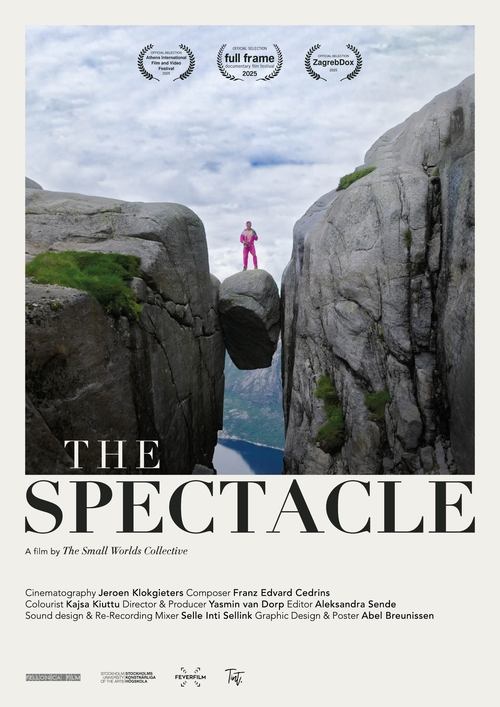
The Spectacle - Review
The Spectacle: A Haunting Reflection on Modern Tourism - A Review
The year is 2025. Travel is easier, cheaper, and more ubiquitous than ever before. But at what cost? This question forms the unsettling core of "The Spectacle," a short documentary released on April 5th, 2025, that dares to peel back the glossy veneer of modern tourism and expose the often-unseen consequences of our relentless pursuit of the "perfect" Instagrammable moment. Director Anya Sharma, known for her previous work in environmental documentaries, turns her lens inward, scrutinizing not just the impact of tourism on the environment, but also its effect on our own perception and experience.
Plot and Structure: A Journey Through Disconnection
“The Spectacle” isn’t driven by a traditional narrative plot, but rather a carefully curated journey through various European locations, each representing a different facet of the modern tourism experience. We begin in Venice, a city drowning, literally and figuratively, under the weight of its own popularity. The film juxtaposes stunning shots of the city's architectural beauty with jarring images of overflowing canals, crowded streets, and the relentless influx of cruise ships. This sets the tone for the rest of the documentary, which moves on to explore Barcelona's struggle with over-tourism, the artificiality of "traditional" experiences staged for tourists in Prague, and the environmental impact of mass tourism on the pristine landscapes of the Swiss Alps.
The structure is episodic, with each location acting as a self-contained case study. Sharma avoids heavy-handed narration, opting instead for a more observational approach. We hear snippets of conversations between tourists, tour guides, and locals, often revealing conflicting perspectives and a growing sense of unease. The film masterfully uses juxtaposition to highlight the disconnect between the idealized image of these destinations and the often-harsh reality on the ground. For example, a breathtaking panoramic view of the Alps is immediately followed by footage of overflowing landfills and polluted streams.
While the lack of a central narrative might feel disjointed to some, it ultimately serves the film's purpose. It's not about telling a specific story, but about presenting a collage of experiences that collectively paint a disturbing picture of the current state of tourism.
Direction and Cinematography: A Visual Poem of Loss
Anya Sharma's direction is both subtle and powerful. She avoids lecturing the audience, instead allowing the images and sounds to speak for themselves. Her background in environmental documentaries is evident in her meticulous attention to detail and her ability to capture the beauty and fragility of the natural world. But "The Spectacle" goes beyond simply documenting environmental damage. It also delves into the psychological impact of tourism, exploring how the constant pursuit of the perfect photo can lead to a sense of detachment from the actual experience.
The cinematography, by veteran documentary filmmaker Ben Carter, is nothing short of breathtaking. Carter expertly captures the grandeur of the European landscapes, but he also doesn't shy away from showing the uglier side of tourism. He uses a variety of techniques, including time-lapse photography, slow-motion shots, and aerial views, to create a visually stunning and emotionally resonant experience. The use of natural light is particularly effective, lending a sense of authenticity and immediacy to the film. There are moments of sheer visual poetry, such as a slow-motion shot of a gondola struggling to navigate a polluted canal in Venice, or a time-lapse sequence showing the relentless flow of tourists through the streets of Barcelona.
The sound design is equally impressive, seamlessly blending natural sounds with ambient music to create a haunting and evocative atmosphere. The film uses silence effectively, allowing the viewer to reflect on the images and sounds they have just witnessed. The absence of a traditional narrator is a bold choice, but it ultimately pays off, forcing the audience to engage with the material on a deeper level.
Performances: The Unscripted Truth
As a documentary, “The Spectacle” doesn't feature actors in the traditional sense. Instead, the "performances" come from the real people caught in the crossfire of modern tourism: the overwhelmed locals, the oblivious tourists, and the disillusioned tour guides. Sharma's skill lies in her ability to capture these individuals in their most authentic moments, revealing their hopes, fears, and frustrations.
One particularly poignant scene features an elderly Venetian woman lamenting the loss of her city's soul. She speaks of a time when Venice was a vibrant community, not just a tourist destination. Her words are filled with a deep sense of sadness and resignation, highlighting the human cost of unchecked tourism. Another memorable moment involves a young tour guide in Prague, struggling to maintain a sense of authenticity while leading tourists through a series of staged "traditional" experiences. His weary expression speaks volumes about the compromises he has had to make in order to survive.
The "performances" in "The Spectacle" are not polished or rehearsed. They are raw, honest, and deeply moving, offering a glimpse into the complex and often contradictory emotions that surround modern tourism.
Themes and Messages: Beyond the Postcard
“The Spectacle” grapples with several important themes, most notably the tension between the desire for authentic experiences and the commodification of culture. The film argues that modern tourism often transforms destinations into carefully curated spectacles, designed to cater to the expectations of tourists rather than reflecting the reality of local life. This can lead to a sense of detachment, where tourists are more interested in capturing the perfect photo than in truly engaging with the culture and environment around them.
Another key theme is the environmental impact of mass tourism. The film highlights the devastating effects of over-tourism on fragile ecosystems, from the pollution of waterways to the destruction of natural habitats. It challenges viewers to consider the environmental cost of their travel choices and to seek out more sustainable alternatives.
Ultimately, "The Spectacle" is a call for greater awareness and responsibility in the realm of tourism. It urges viewers to move beyond the superficial and to engage with destinations in a more meaningful and respectful way. The film suggests that true travel is not about ticking off items on a bucket list, but about connecting with people, cultures, and the environment in a way that is both enriching and sustainable.
Comparison to Similar Films and Director's Previous Work
"The Spectacle" shares thematic similarities with other documentaries that explore the impact of tourism, such as "Baraka" (1992) and "Samsara" (2011), both of which offer stunning visuals of diverse cultures and environments, while also hinting at the darker side of globalization and human impact. However, "The Spectacle" is more focused on the specific phenomenon of modern tourism and its consequences for both destinations and travelers. It also differs from these films in its more intimate and observational style, relying less on sweeping generalizations and more on specific examples and personal stories.
In terms of Anya Sharma's previous work, "The Spectacle" represents a natural progression from her earlier environmental documentaries. Her previous film, "The Last Glacier" (2022), explored the devastating effects of climate change on glacial ecosystems. While "The Spectacle" broadens the scope to include the cultural and psychological dimensions of tourism, it retains Sharma's signature style of understated but powerful storytelling and her commitment to raising awareness about critical environmental issues. However, "The Spectacle" is arguably more nuanced and thought-provoking than "The Last Glacier," as it challenges viewers to examine their own role in the problem, rather than simply pointing fingers at external forces.
Positive Aspects
"The Spectacle" is a visually stunning and emotionally resonant documentary that raises important questions about the nature of modern tourism. Its strengths lie in its:
- Beautiful cinematography: The film is a visual feast, capturing both the beauty and the ugliness of tourist destinations.
- Thought-provoking themes: The film challenges viewers to consider the ethical and environmental implications of their travel choices.
- Subtle direction: Sharma avoids heavy-handed narration, allowing the images and sounds to speak for themselves.
- Authentic "performances": The film captures the real emotions and experiences of the people caught in the crossfire of modern tourism.
- Effective use of sound: The sound design creates a haunting and evocative atmosphere.
Constructive Criticism
While "The Spectacle" is a powerful and thought-provoking film, it is not without its flaws:
- Lack of a central narrative: The episodic structure can feel disjointed at times.
- Limited exploration of solutions: While the film effectively highlights the problems of modern tourism, it offers few concrete solutions.
- Potential for elitism: The film could be interpreted as criticizing all forms of tourism, which might alienate some viewers.
- Short runtime: At just under an hour, the film feels somewhat rushed, and could have benefited from a more in-depth exploration of certain themes and locations.
Conclusion
"The Spectacle" is a haunting and timely documentary that forces us to confront the uncomfortable truths about modern tourism. It's a film that will stay with you long after the credits roll, prompting you to question your own travel habits and to consider the impact of your choices on the world around you. While it could benefit from a more cohesive narrative and a more thorough exploration of potential solutions, its strengths far outweigh its weaknesses. Anya Sharma has created a powerful and visually stunning film that is sure to spark important conversations about the future of travel.
Rating: 8.5/10