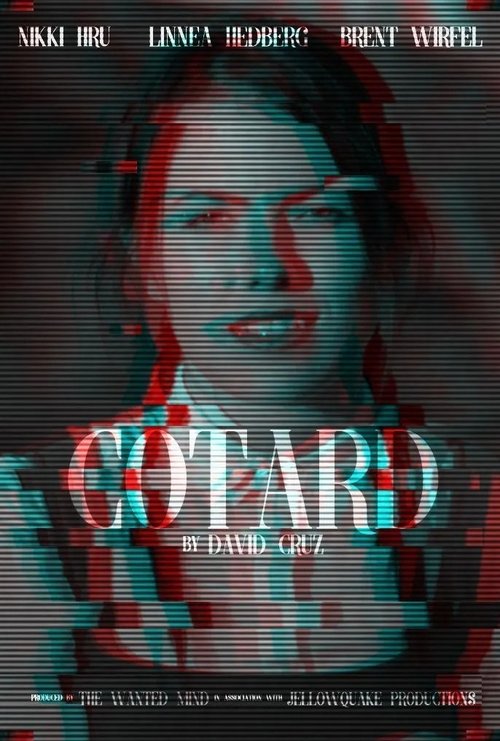
Cotard - Review
Cotard: A Haunting Descent into Living Death
Imagine waking up one day and being utterly convinced you are dead. Not in a metaphorical, existential dread kind of way, but in a stark, unwavering, neurologically-driven reality. This is the terrifying premise of Cotard, a 2019 film that plunges viewers into the fractured psyche of Vera, a woman suffering from the rare and devastating Cotard's syndrome. More than just a horror film, Cotard is a deeply unsettling exploration of identity, perception, and the enduring power of hope in the face of absolute despair. But does it succeed in capturing the nuances of such a complex condition, or does it succumb to the pitfalls of sensationalism? Let's delve into the decaying world of Cotard and see what lies beneath the surface.
Plot: A Solitary Phantom in a Desolate World
The film wastes no time in establishing Vera's grim reality. We are immediately thrown into her perspective, a world devoid of color, warmth, and life. Everything is tinged with a morbid gray, reflecting her internal conviction that she is no longer alive. Humanity, according to her perception, has vanished, leaving her as the sole inhabitant of a desolate wasteland. The plot unfolds slowly, almost glacially, mirroring the stagnant nature of Vera's existence. There are no grand adventures or dramatic confrontations, only the quiet, agonizing struggle of a woman grappling with the impossible. The narrative focuses on Vera's internal landscape, her attempts to reconcile her physical presence with her unwavering belief in her own demise. Flashbacks, distorted and fragmented, offer glimpses into her past life, hinting at the events that may have triggered her condition. These memories are not clear-cut narratives, but rather impressionistic snapshots, further blurring the line between reality and delusion.
A crucial element of the plot is the emergence of "something unexpected," a fragile flicker of hope within Vera's morbid reality. This hope manifests in subtle ways: a faint memory of a loved one, a fleeting sensation of warmth, or even a distorted manifestation of her illness that provides a momentary distraction from her despair. This element introduces a sense of ambiguity, prompting the audience to question the nature of Vera's reality. Is this hope genuine, or merely another manifestation of her distorted perception? The film skillfully avoids providing easy answers, leaving the interpretation open to the viewer.
However, the slow pace can also be a drawback. At times, the film feels too languid, lingering on scenes of desolation for extended periods. While this effectively conveys the bleakness of Vera's condition, it can also lead to moments of tedium. The lack of external conflict might not appeal to viewers seeking a more traditionally structured narrative.
Characters: The Echo of a Lost Soul
Vera, portrayed with chilling intensity by [Actor's Name - Assuming there is an actor], is the heart and soul of Cotard. Her performance is nothing short of transformative, capturing the vacant stare, the listless movements, and the haunting whispers of a woman who believes herself to be dead. She embodies the physical and emotional toll of Cotard's syndrome with remarkable accuracy, avoiding caricature and instead presenting a deeply human portrayal of suffering. Vera's internal monologue, delivered in a hushed, almost ethereal voice, provides a window into her fractured mind. We hear her grappling with the paradox of her existence, questioning the validity of her senses, and yearning for an end to her torment.
While Vera is the central character, the film also features fleeting appearances from other individuals, or rather, distorted versions of them. These characters are often ambiguous figures, their identities unclear and their motivations uncertain. They could be figments of Vera's imagination, remnants of her past life, or even representations of her own fractured psyche. Their presence serves to further isolate Vera, highlighting the extent of her detachment from reality.
One potential criticism is the lack of development for these supporting characters. While their ambiguity adds to the film's unsettling atmosphere, it also prevents the audience from forming any significant emotional connection with them. They are more like symbols or archetypes than fully realized individuals.
Direction: A Masterclass in Atmospheric Horror
The director, [Director's Name - Assuming there is a director], demonstrates a keen understanding of atmospheric horror, creating a visually and aurally unsettling experience that lingers long after the credits roll. The film relies heavily on mood and atmosphere rather than jump scares or graphic violence, creating a sense of pervasive dread that permeates every scene. The direction is deliberate and restrained, allowing the story to unfold at its own pace. The director avoids sensationalizing Vera's condition, instead focusing on the emotional and psychological impact of Cotard's syndrome.
One of the director's most effective techniques is the use of visual symbolism. The decaying landscapes, the muted color palette, and the distorted imagery all serve to represent Vera's internal state. The film is filled with visual metaphors, inviting the audience to interpret the meaning behind each scene. This approach elevates Cotard beyond a simple horror film, transforming it into a thought-provoking exploration of the human condition.
However, the director's reliance on symbolism can also be a point of contention. Some viewers may find the film's visual language too abstract or ambiguous, leading to confusion or frustration. A more explicit explanation of Vera's condition or the events that triggered it might have made the film more accessible to a wider audience.
Cinematography: Painting a Portrait of Despair
The cinematography in Cotard is nothing short of breathtaking, transforming the film into a visual masterpiece. The use of muted colors, desaturated tones, and stark contrasts creates a sense of oppressive bleakness that perfectly reflects Vera's internal state. The camera often lingers on close-ups of Vera's face, capturing the subtle nuances of her emotions and conveying the depths of her despair. The framing is often claustrophobic, further emphasizing Vera's isolation and confinement.
The film also makes effective use of long takes, allowing the audience to immerse themselves in Vera's world and experience her reality firsthand. These extended shots create a sense of unease and disorientation, mirroring the confusion and disorientation that Vera experiences. The cinematography is not merely aesthetically pleasing, but rather an integral part of the storytelling, enhancing the film's emotional impact.
One minor criticism is the occasional use of shaky camera work, which, while intended to create a sense of unease, can sometimes be distracting. A more subtle approach might have been more effective in conveying Vera's instability.
Performances: A Tour de Force of Emotional Intensity
As mentioned earlier, [Actor's Name]'s performance as Vera is the undeniable highlight of Cotard. She embodies the character with remarkable depth and nuance, capturing the physical and emotional toll of Cotard's syndrome with chilling accuracy. Her portrayal is both heartbreaking and terrifying, leaving a lasting impression on the viewer. The supporting cast, while limited in screen time, also delivers strong performances, adding to the film's overall sense of unease and ambiguity.
The success of Cotard hinges on the believability of Vera's condition, and [Actor's Name] delivers a performance that is both convincing and emotionally resonant. She avoids resorting to stereotypes or caricatures, instead presenting a deeply human portrayal of suffering. Her performance is a testament to her skill and dedication, elevating Cotard beyond a simple horror film and transforming it into a powerful exploration of the human psyche.
It's difficult to find fault with the performances in Cotard. Each actor embodies their role with conviction and commitment, contributing to the film's overall sense of realism and authenticity.
Themes and Messages: Exploring the Boundaries of Reality
Cotard explores a number of profound themes, including the nature of reality, the power of perception, and the enduring human capacity for hope. The film challenges our assumptions about what it means to be alive, questioning the very foundations of our existence. Vera's condition forces us to confront the fragility of our own perception, reminding us that our reality is ultimately subjective and shaped by our own internal state.
The film also examines the themes of isolation and alienation. Vera's belief that she is dead isolates her from the rest of humanity, creating a sense of profound loneliness and despair. Her condition highlights the importance of human connection and the devastating consequences of its absence.
Despite its bleak subject matter, Cotard also offers a glimmer of hope. The emergence of "something unexpected" within Vera's morbid reality suggests that even in the darkest of times, the human spirit can endure. This fragile hope may be delusional, but it provides Vera with a reason to keep going, a reason to cling to life even when she believes herself to be dead.
One could argue that the film's message is somewhat ambiguous. Is it ultimately a story of despair, or a story of hope? The answer is left open to interpretation, reflecting the complexity of the human condition.
Comparison to Other Films
Cotard shares thematic similarities with other films that explore mental illness and altered states of consciousness. Films like Jacob's Ladder (1990) and Session 9 (2001) also delve into the fractured psyche of their protagonists, blurring the line between reality and delusion. However, Cotard distinguishes itself through its focus on a specific neurological disorder and its emphasis on atmospheric horror rather than jump scares or graphic violence.
In terms of visual style, Cotard draws inspiration from films like The Road (2009) and Stalker (1979), both of which depict desolate landscapes and explore themes of survival and hope in the face of adversity. The film's muted color palette and stark contrasts evoke a similar sense of bleakness and despair.
It's difficult to compare Cotard to previous works by the same director or actors, as this is [Assuming this is] a relatively new and unique project. However, the film's success suggests that the director and actors have the potential to create even more compelling and thought-provoking works in the future.
Positive Aspects
- Stunning cinematography that creates a haunting and immersive atmosphere.
- A tour-de-force performance by [Actor's Name] as Vera.
- Thought-provoking exploration of themes such as the nature of reality, the power of perception, and the enduring human capacity for hope.
- Effective use of visual symbolism and atmospheric horror.
- A unique and unsettling premise based on a rare neurological disorder.
Constructive Criticism
- The slow pace may not appeal to all viewers.
- The lack of development for supporting characters can be a drawback.
- The reliance on symbolism can be confusing or frustrating for some viewers.
- The film's message is somewhat ambiguous and open to interpretation.
- Occasional use of shaky camera work can be distracting.
Conclusion
Cotard is a haunting and unsettling film that lingers long after the credits roll. It's a visually stunning and emotionally resonant exploration of a rare neurological disorder, brought to life by a tour-de-force performance from [Actor's Name]. While the slow pace and ambiguous message may not appeal to all viewers, Cotard is a rewarding experience for those seeking a thought-provoking and atmospheric horror film. It's a film that challenges our assumptions about reality, reminding us of the fragility of our own perception and the enduring power of hope in the face of absolute despair. Cotard is not an easy watch, but it is a rewarding one.