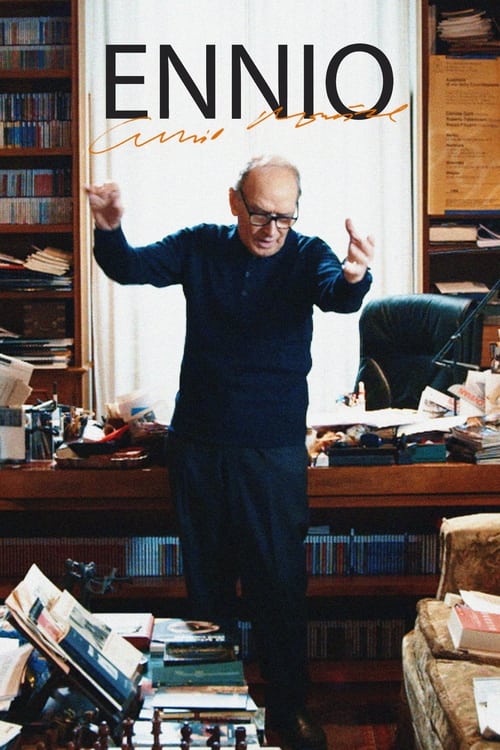
Ennio - Review
Ennio: A Symphonic Portrait of a Maestro
Ennio, Giuseppe Tornatore's monumental documentary, is more than just a biographical account of Ennio Morricone, the legendary composer behind some of cinema's most iconic scores. It's a sprawling, deeply personal, and ultimately moving exploration of the man behind the music, delving into his creative process, his personal struggles, and the sheer force of his talent that shaped the sound of countless films. This isn't just a film for cinephiles or music lovers; it's a film for anyone who appreciates artistry and the power of human expression.
A Life in Music: The Plot Unveiled
The documentary unfolds chronologically, tracing Morricone's life from his humble beginnings as a trumpet player in Rome to his global recognition as a celebrated composer. Tornatore masterfully weaves together archival footage, interviews with Morricone himself (recorded before his death in 2020), and testimonials from a constellation of directors, actors, composers, and music critics. The narrative isn't a simple A-to-Z recounting of events. Instead, it's a thematic exploration of the key elements that shaped Morricone's artistry: his classical training, his early experiments with avant-garde music, his initial reluctance to work in cinema, and his eventual embrace of the medium as a canvas for his sonic vision.
The film doesn't shy away from the controversies surrounding Morricone's career, particularly his perceived snub by the Academy Awards for years, culminating in a belated honorary Oscar in 2007 followed by a competitive win for The Hateful Eight in 2016. It also addresses the criticisms leveled against him for working on some less prestigious films, a decision driven by financial necessity and a deep commitment to his craft, regardless of the project's scale or perceived artistic merit.
Characters in the Symphony: Key Figures and Their Impact
While the film is primarily focused on Ennio Morricone, it features a rich tapestry of voices that enrich the narrative. These are not just talking heads offering superficial praise, but insightful perspectives that reveal different facets of Morricone's personality and artistry.
- Ennio Morricone: The composer himself is the central character, and his own words, delivered with his characteristic modesty and intellectual rigor, are the film's most valuable asset. He discusses his creative process, his influences, his collaborations, and his personal philosophy with remarkable candor. He reveals his meticulous approach to composition, his constant striving for innovation, and his deep respect for the power of music to enhance storytelling.
- Giuseppe Tornatore: The director's long-standing friendship and collaboration with Morricone (they worked together on films like Cinema Paradiso, The Legend of 1900, and Malèna) provides him with a unique perspective and access. Tornatore's gentle and respectful approach allows Morricone to open up and share intimate details about his life and work.
- Directors: A who's who of cinematic giants, including Clint Eastwood, Quentin Tarantino, Sergio Leone, Bernardo Bertolucci, and Roland Joffé, offer their insights into Morricone's genius. They describe how his music elevated their films, how he understood the emotional core of their stories, and how he consistently surprised them with his innovative approaches.
- Composers and Musicians: John Williams, Hans Zimmer, and other prominent composers pay tribute to Morricone's influence on their own work. They analyze his distinctive style, his innovative use of unconventional instruments, and his ability to create music that is both emotionally resonant and intellectually stimulating.
Tornatore's Direction: A Maestro Conducting a Portrait
Giuseppe Tornatore's direction is both reverential and insightful. He doesn't simply present a dry biography; he crafts a compelling narrative that captures the essence of Morricone's artistry and personality. Tornatore's intimate knowledge of Morricone's work allows him to choose the most relevant clips from his films, showcasing the composer's diverse range and his ability to adapt his style to different genres and narratives. The pacing of the film is deliberate, allowing the audience to fully absorb the information and appreciate the nuances of Morricone's music. Tornatore's decision to include extensive interview footage with Morricone himself is particularly effective, giving the composer a direct voice in shaping his own narrative.
However, the sheer length of the film (clocking in at over two and a half hours) might be a challenge for some viewers. While every moment is arguably valuable, a tighter edit could have streamlined the narrative and made it more accessible to a wider audience. Some might also find the hagiographic tone occasionally overwhelming, though it's understandable given Tornatore's deep admiration for his subject.
Cinematography and Sound Design: A Feast for the Senses
The cinematography in Ennio is functional rather than overtly stylistic, primarily serving to capture the interviewees and archival footage. However, the film shines in its use of sound design. The music, of course, is the star, and Tornatore expertly incorporates excerpts from Morricone's scores, allowing them to breathe and resonate within the context of the documentary. The sound mixing is impeccable, ensuring that the music is always clear and impactful. The film also makes effective use of diegetic sound, incorporating the sounds of Rome, the sounds of orchestras rehearsing, and the sounds of film sets to create a rich and immersive sonic experience.
Themes and Messages: Beyond the Notes
Ennio explores several profound themes that resonate beyond the specific context of Morricone's life and work:
- The Power of Music: The film celebrates the transformative power of music to enhance storytelling, evoke emotions, and transcend cultural boundaries. Morricone's music is presented as a vital component of the cinematic experience, capable of elevating even mediocre films to new heights.
- The Artist's Struggle: The film acknowledges the challenges faced by artists, including the pressure to conform to commercial expectations, the struggle for recognition, and the constant need to innovate. Morricone's own experiences with critical rejection and financial hardship are presented as a testament to his resilience and his unwavering commitment to his craft.
- The Importance of Collaboration: The film highlights the collaborative nature of filmmaking, emphasizing the importance of directors, actors, and composers working together to create a cohesive and impactful work of art. Morricone's long-standing collaborations with directors like Sergio Leone and Giuseppe Tornatore are presented as examples of the power of creative synergy.
- The Legacy of Genius: The film serves as a tribute to Morricone's enduring legacy, ensuring that his music and his contributions to cinema will continue to be celebrated for generations to come. The film also subtly argues for a reevaluation of the role of film composers, recognizing them as artists in their own right, rather than simply as service providers.
Comparisons and Context: A Place in the Pantheon
Ennio can be compared to other documentaries about prominent film composers, such as Hitchcock/Truffaut (which explores the director's process) or Score: A Film Music Documentary (which offers a broader overview of the field). However, Ennio stands out for its depth of analysis, its intimate portrait of its subject, and its focus on the specific context of Morricone's life and work. It also benefits from Tornatore's personal connection to Morricone, which allows him to offer a more nuanced and insightful perspective.
Considering Tornatore's previous work, Ennio shares similarities with his fictional films, particularly Cinema Paradiso, in its nostalgic tone and its celebration of the power of cinema. Both films explore the transformative impact of movies on individuals and communities, and both feature memorable scores by Ennio Morricone. However, Ennio is a more straightforward and less sentimental film than Cinema Paradiso, reflecting the documentary's focus on factual accuracy and historical context.
Positive Aspects: A Symphony of Strengths
Ennio possesses numerous strengths that make it a compelling and rewarding viewing experience:
- Comprehensive Coverage: The film provides a thorough and detailed overview of Morricone's life and career, covering his early influences, his major works, and his personal struggles.
- Insightful Interviews: The interviews with Morricone himself and with his collaborators offer valuable insights into his creative process and his artistic vision.
- Masterful Editing: Tornatore expertly weaves together archival footage, interview clips, and excerpts from Morricone's scores to create a cohesive and engaging narrative.
- Emotional Resonance: The film is deeply moving, capturing the passion, dedication, and artistic brilliance of Ennio Morricone.
- Educational Value: The film provides a valuable education in the history of film music and the art of film composition.
Constructive Criticism: Minor Keys in a Major Work
While Ennio is a remarkable achievement, it is not without its flaws:
- Length: The film's runtime of over two and a half hours may be daunting for some viewers. A tighter edit could have streamlined the narrative and made it more accessible.
- Hagiographic Tone: The film occasionally veers into hagiography, presenting Morricone as an almost flawless figure. A more critical perspective could have added depth and complexity to the narrative.
- Repetitive Moments: At times, the film repeats certain themes and anecdotes, which can become somewhat redundant.
Conclusion: A Lasting Note
Ennio is a monumental and deeply moving tribute to one of the greatest film composers of all time. It's a film that will stay with you long after the credits roll, prompting you to revisit Morricone's scores and appreciate the genius of his artistry. While the film's length and occasional hagiographic tone might be drawbacks for some, its strengths far outweigh its weaknesses. This is an essential film for anyone who loves cinema, music, or the art of storytelling.
Rating: 9.5/10