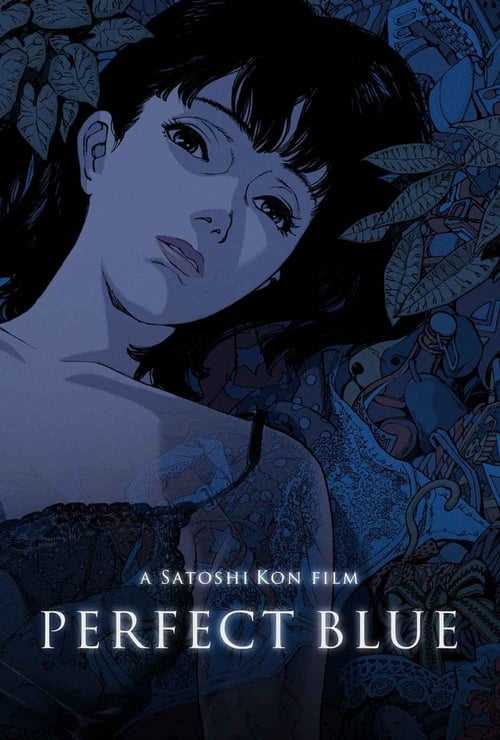
Perfect Blue - Review
Perfect Blue: A Descent into Paranoia and the Price of Idolhood
Satoshi Kon’s Perfect Blue, released in 1998, isn’t just an animated thriller; it's a psychological deep dive into the fractured psyche of a young woman grappling with the loss of identity and the insidious nature of obsession. More relevant today than ever, in an age of social media and hyper-scrutiny, Perfect Blue remains a chilling masterpiece, a cautionary tale about the dangers of manufactured personas and the fragility of reality. This isn't a comfortable watch; it's a film that grabs you by the throat and refuses to let go, leaving you questioning the very nature of perception long after the credits roll.
Plot: A Blurred Line Between Reality and Nightmare
The film follows Mima Kirigoe, a member of a J-pop idol group called CHAM!, who decides to pursue an acting career to broaden her appeal and escape the perceived limitations of her current profession. Encouraged by her managers, Rumi Hidaka and Tadashi Mino, Mima takes on a controversial role in a crime drama, a decision that quickly unravels her life. As Mima delves deeper into the darker aspects of her new role, she begins to experience a disturbing series of events: online stalking, death threats, and the gruesome murders of those involved in her career. The line between reality and nightmare blurs as Mima struggles to distinguish between her own identity and the fictional character she portrays. Adding to her torment is a mysterious website, "Mima's Room," which details her life with unnerving accuracy, fueling her paranoia and eroding her sense of self. The narrative unfolds with a deliberate ambiguity, constantly challenging the viewer to question what is real and what is a figment of Mima's increasingly fragile mental state.
The film’s strength lies in its ability to create a pervasive sense of unease and disorientation. Kon masterfully employs visual cues and narrative techniques to disorient the audience, mirroring Mima’s own confusion. Flashbacks are seamlessly woven into the present, dreams bleed into reality, and Mima’s reflections become distorted and menacing. This constant blurring of boundaries makes it incredibly difficult to discern what is actually happening, keeping the viewer on edge and deeply invested in Mima's struggle for sanity.
Characters: A Study in Obsession and Identity
Perfect Blue boasts a compelling cast of characters, each contributing to the film's complex tapestry of paranoia and obsession:
- Mima Kirigoe: The protagonist, Mima, is a sympathetic and complex character. Initially portrayed as a naive and innocent pop idol, she undergoes a profound transformation as she navigates the treacherous waters of the entertainment industry. Her desire for validation and recognition leads her down a path of self-destruction, forcing her to confront her own identity and grapple with the consequences of her choices. Mima's vulnerability and increasing desperation make her a deeply relatable and tragic figure.
- Rumi Hidaka: Mima's manager, Rumi, is a seemingly supportive figure who harbors a dark secret. As the film progresses, Rumi's obsession with Mima becomes increasingly apparent, blurring the lines between mentor and stalker. Her motives are complex and ultimately driven by a desire to preserve Mima's idealized image as a pure and innocent idol. Rumi represents the dangers of clinging to the past and the destructive consequences of suppressing one's own desires.
- Tadashi Mino: Another of Mima's managers, Mino, is portrayed as more grounded and pragmatic than Rumi. He seems genuinely concerned for Mima's well-being, but his own ambitions and desires ultimately contribute to her exploitation. Mino represents the more subtle forms of manipulation and the compromises that are often made in the pursuit of success.
- Me-Mania: The most unsettling character of all, Me-Mania (Mamoru Uchida) is Mima's obsessive stalker. He is the embodiment of the dangers of idol worship and the distorted perceptions that can arise from parasocial relationships. Me-Mania's actions are driven by a delusional belief that he is protecting Mima's purity and punishing those who threaten her image. He serves as a chilling reminder of the potential for fanatical obsession to turn violent and destructive.
Each character is meticulously crafted, contributing to the film's exploration of identity, obsession, and the exploitation inherent in the entertainment industry. The relationships between these characters are fraught with tension and ambiguity, further enhancing the film's psychological depth.
Direction and Cinematography: A Masterclass in Visual Storytelling
Satoshi Kon's direction in Perfect Blue is nothing short of masterful. He utilizes a variety of cinematic techniques to create a visually stunning and psychologically unsettling experience. The film's animation is fluid and expressive, capturing the nuances of Mima's emotions and the surreal nature of her experiences.
The cinematography is equally impressive, employing a range of techniques to enhance the film's themes and atmosphere:
- Mirrors and Reflections: Mirrors and reflections are used extensively throughout the film to symbolize Mima's fractured identity and the duality of her persona. They create a sense of unease and disorientation, blurring the lines between reality and illusion.
- Color Palette: The film's color palette is carefully chosen to reflect Mima's emotional state. Bright, vibrant colors are used to depict her initial innocence and optimism, while darker, more muted tones are used to convey her growing paranoia and despair.
- Camera Angles and Movement: Kon employs a variety of camera angles and movements to create a sense of unease and tension. Close-ups are used to emphasize Mima's vulnerability, while wide shots are used to create a sense of isolation and alienation. The camera often moves in unpredictable ways, further disorienting the viewer and mirroring Mima's own confusion.
- Editing: The film's editing is sharp and precise, creating a sense of urgency and momentum. Flashbacks and dream sequences are seamlessly integrated into the narrative, blurring the lines between past, present, and future.
Kon's masterful use of visual storytelling elevates Perfect Blue beyond a simple thriller and transforms it into a profound exploration of the human psyche. The film's visuals are not merely decorative; they are integral to the narrative, enhancing the themes and conveying the emotional weight of Mima's journey.
Performances: Bringing the Characters to Life
The voice acting in Perfect Blue is exceptional, bringing the characters to life with depth and nuance. Junko Iwao delivers a powerful and emotionally resonant performance as Mima, capturing her vulnerability, desperation, and eventual descent into madness. Her voice acting is both subtle and expressive, conveying the complexities of Mima's character with remarkable skill.
The supporting cast also delivers strong performances, each contributing to the film's overall impact. Rica Matsumoto as Rumi, Shinpachi Tsuji as Tadashi, and Masaaki Okura as Me-Mania all provide memorable and chilling portrayals of their respective characters. The voice acting is crucial to the film's success, adding depth and emotional resonance to the already compelling narrative.
Themes and Messages: A Cautionary Tale for the Digital Age
Perfect Blue explores a range of complex and relevant themes, including:
- Identity and Self-Perception: The film delves into the complexities of identity and how it can be shaped by external forces. Mima's struggle to reconcile her idealized image as a pop idol with her desire to be taken seriously as an actress highlights the pressures faced by young women in the entertainment industry. The film questions whether it's possible to maintain a true sense of self in a world obsessed with manufactured personas.
- Obsession and Stalking: Perfect Blue offers a chilling portrayal of obsession and stalking, highlighting the dangers of parasocial relationships and the potential for fanatical devotion to turn violent. Me-Mania's character serves as a cautionary tale about the distorted perceptions that can arise from idol worship and the devastating consequences of unchecked obsession.
- The Exploitation of Women in the Entertainment Industry: The film exposes the exploitative nature of the entertainment industry, particularly for young women. Mima is pressured to conform to unrealistic standards of beauty and behavior, and her agency is often compromised by those who seek to profit from her image. Perfect Blue raises important questions about the objectification of women and the pressures they face to maintain a perfect facade.
- The Blurring of Reality and Illusion: One of the film's most prominent themes is the blurring of reality and illusion. Kon masterfully employs visual and narrative techniques to disorient the audience, mirroring Mima's own confusion. The film challenges the viewer to question what is real and what is a figment of Mima's imagination, highlighting the subjective nature of perception.
- The Impact of Technology on Identity: Released before the widespread adoption of social media, Perfect Blue was remarkably prescient in its exploration of the impact of technology on identity. The "Mima's Room" website foreshadows the anxieties surrounding online surveillance and the potential for virtual personas to supplant real-life identities. In today's hyper-connected world, this theme is more relevant than ever.
Perfect Blue is a cautionary tale that resonates deeply in the digital age, prompting viewers to consider the ethical implications of technology, the pressures of fame, and the importance of preserving one's own identity in a world that often demands conformity.
Comparison to Other Films and Works
Perfect Blue shares thematic similarities with other psychological thrillers that explore the fragility of the human psyche and the blurring of reality and illusion. Films like Black Swan (2010) and Mulholland Drive (2001) also delve into the dark side of ambition, the pressures of performance, and the disintegration of identity. However, Perfect Blue distinguishes itself through its unique visual style and its unflinching portrayal of the exploitation of women in the entertainment industry.
In terms of Satoshi Kon's other works, Perfect Blue serves as a precursor to many of the themes and techniques that he would later explore in greater depth. His subsequent films, such as Millennium Actress (2001), Tokyo Godfathers (2003), and Paprika (2006), also feature complex characters, dreamlike sequences, and a blurring of reality and fantasy. However, Perfect Blue remains his most unsettling and psychologically intense work, establishing him as a master of the animated thriller.
Positive Aspects and Constructive Criticism
Perfect Blue is a triumph of animation and storytelling, boasting a compelling plot, complex characters, masterful direction, stunning visuals, and thought-provoking themes. Its ability to create a pervasive sense of unease and disorientation is unparalleled, and its exploration of identity, obsession, and exploitation remains incredibly relevant today.
However, the film is not without its flaws. Some viewers may find the film's graphic violence and disturbing imagery to be overwhelming. The pacing can also be somewhat uneven at times, with certain scenes feeling rushed while others linger for too long. Additionally, the film's ambiguity can be frustrating for some viewers who prefer a more straightforward narrative.
Despite these minor criticisms, Perfect Blue remains a landmark achievement in animation and a must-see for fans of psychological thrillers. Its strengths far outweigh its weaknesses, and its impact on the genre is undeniable.
Conclusion and Rating
Perfect Blue is a chilling and thought-provoking masterpiece that continues to resonate with audiences decades after its release. Its exploration of identity, obsession, and the exploitation of women in the entertainment industry is both timely and timeless. Satoshi Kon's masterful direction and the film's stunning visuals create a truly unforgettable cinematic experience.
For its innovative animation, complex themes, and enduring impact, I give Perfect Blue a rating of 9.5 out of 10.