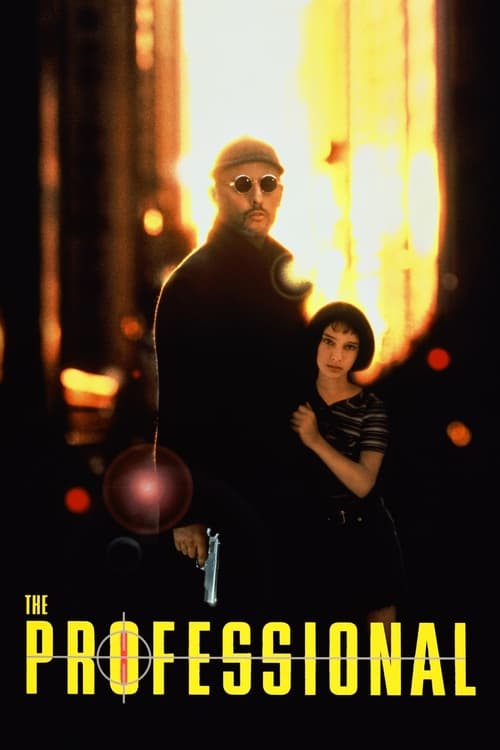
Léon: The Professional - Review
Léon: The Professional - A Masterclass in Morality, Mayhem, and Milk
Luc Besson's Léon: The Professional, released in 1994, isn't just a slick action thriller; it's a complex character study wrapped in a violent, stylized package. It's a film that burrows under your skin, forcing you to confront uncomfortable questions about innocence, responsibility, and the blurred lines between right and wrong. More than two decades later, it remains a potent and unforgettable cinematic experience, though not without its controversial edges.
Plot: A Delicate Dance of Destruction
The film centers on Léon (Jean Reno), a solitary and highly skilled hitman living a simple, almost monastic existence in New York City's Little Italy. His life is a regimented cycle of cleaning guns, drinking milk, and tending to his beloved plant. This carefully constructed routine is shattered when his neighbors, including her family, are brutally murdered by corrupt DEA agent Norman Stansfield (Gary Oldman) over a drug deal gone wrong. Only 12-year-old Mathilda (Natalie Portman, in a breakout role) survives, seeking refuge in Léon's apartment.
Initially reluctant, Léon takes Mathilda in, primarily to protect her from Stansfield's relentless pursuit. He becomes her reluctant guardian, and she, in turn, becomes his apprentice. Mathilda, hardened by her traumatic past, sees in Léon a path to revenge against the man who destroyed her family. She demands to learn his trade, and Léon, despite his reservations, begins to teach her the skills of a "cleaner." This unlikely partnership forms the heart of the film, a delicate dance between innocence and experience, violence and vulnerability.
As Mathilda learns the ropes, their relationship deepens. She brings a sense of humanity and purpose to Léon's otherwise empty life, while he provides her with a semblance of stability and protection. Their bond is unconventional and, at times, unsettling, but it is undeniably powerful. The plot thickens as Stansfield closes in, leading to a thrilling and emotionally charged climax that tests the limits of their loyalty and forces them to confront the consequences of their choices.
Characters: Broken Souls Seeking Redemption
Léon: The Professional is driven by its compelling characters, each flawed and fascinating in their own right.
Léon (Jean Reno)
Léon is a man of few words and even fewer emotions. He is a highly efficient killer, but also surprisingly naive and childlike in many ways. Reno delivers a masterful performance, conveying Léon's inner turmoil through subtle gestures and expressions. He embodies a quiet strength and vulnerability, making him a surprisingly sympathetic figure despite his profession. His simple pleasures – milk, his plant, and eventually Mathilda – highlight his yearning for connection and a life beyond violence.
Mathilda (Natalie Portman)
Portman's portrayal of Mathilda is nothing short of remarkable. She captures the character's precocious intelligence, emotional fragility, and unwavering determination with incredible nuance. Mathilda is a survivor, forced to grow up too quickly in a world filled with cruelty and violence. Her desire for revenge is understandable, but her naiveté and vulnerability make her a constant source of worry. Portman's performance established her as a major talent and remains one of the most iconic child performances in cinematic history.
Norman Stansfield (Gary Oldman)
Stansfield is a truly terrifying villain, a corrupt DEA agent who embodies pure evil. Oldman delivers a tour-de-force performance, portraying Stansfield as a manic, unpredictable, and utterly ruthless psychopath. His theatrical outbursts and drug-fueled rants are both disturbing and captivating. He is a force of nature, a chaotic element that threatens to destroy everything in his path. Stansfield is a character you love to hate, a testament to Oldman's incredible acting ability.
Tony (Danny Aiello)
Tony, the owner of the Italian restaurant where Léon receives his assignments, is a more grounded and pragmatic character. He serves as a reluctant father figure to Léon and a voice of reason in a world of chaos. Aiello brings a warmth and authenticity to the role, providing a much-needed contrast to the film's more extreme characters.
Direction and Cinematography: A Stylish Symphony of Violence
Luc Besson's direction is masterful, creating a visually stunning and emotionally resonant film. He uses a combination of dynamic action sequences and intimate character moments to create a compelling narrative. The film's pacing is expertly controlled, building tension gradually until it explodes in a climactic showdown.
The cinematography, by Thierry Arbogast, is equally impressive. The film is visually striking, with its use of bold colors, dramatic lighting, and creative camera angles. The scenes in Léon's apartment are particularly effective, creating a sense of intimacy and claustrophobia. The action sequences are also expertly shot, with a combination of fast-paced editing and carefully choreographed stunts. The visual style of the film perfectly complements its themes, creating a world that is both beautiful and dangerous.
Themes and Messages: Beyond the Bullet Holes
Léon: The Professional explores several complex themes, including:
Innocence and Experience
The film juxtaposes the innocence of Mathilda with the experience of Léon, highlighting the contrast between their perspectives on the world. Mathilda's naiveté and vulnerability are a stark reminder of the cost of violence, while Léon's hardened exterior masks a deep-seated desire for connection and redemption. Their relationship forces them to confront their own pasts and consider the possibility of a different future.
The Nature of Violence
The film does not glorify violence, but rather explores its consequences and its impact on the human psyche. Léon's profession is portrayed as a necessary evil, a way to survive in a brutal world. However, the film also shows the toll that violence takes on him, both physically and emotionally. Stansfield, on the other hand, represents the corrupting influence of power and the dehumanizing effects of unchecked violence.
The Search for Family and Belonging
Both Léon and Mathilda are orphans, searching for a sense of family and belonging. They find this in each other, forming an unconventional but deeply meaningful bond. Their relationship is a testament to the power of human connection and the importance of finding love and support in a world that can be cruel and unforgiving.
Redemption and Sacrifice
The film explores the possibility of redemption, even for those who have committed terrible acts. Léon's relationship with Mathilda gives him a reason to change, to find a purpose beyond killing. His ultimate sacrifice is a testament to his love for her and his desire to protect her from the violence that has consumed his own life.
Comparisons: Echoes of the Past, Seeds of the Future
Léon: The Professional draws inspiration from several sources, including classic film noir and Japanese samurai films. The film's themes of violence, redemption, and the search for meaning are reminiscent of films like The Killer (John Woo) and Taxi Driver (Martin Scorsese). The relationship between Léon and Mathilda also echoes the dynamic between the samurai and the orphaned child in Lone Wolf and Cub.
The film also had a significant influence on subsequent action films, particularly those featuring unconventional partnerships and stylized violence. Films like Man on Fire (Tony Scott) and Hanna (Joe Wright) owe a clear debt to Léon: The Professional. Natalie Portman's performance as Mathilda also paved the way for other young actresses to take on complex and challenging roles.
Besson's own filmography shows recurring themes that are brought to the forefront in Léon. His fascination with outsider characters, stylized violence, and strong female leads are all present in earlier works like La Femme Nikita and later works like Lucy. However, Léon arguably represents the pinnacle of these interests, combining them into a single, emotionally resonant narrative.
Positive Aspects: A Cinematic Triumph
Léon: The Professional is a triumph on many levels. The performances are outstanding, the direction is masterful, and the cinematography is visually stunning. The film's themes are complex and thought-provoking, and its emotional impact is undeniable. The action sequences are thrilling and well-choreographed, and the characters are unforgettable. The film's score, by Éric Serra, is also excellent, perfectly complementing the film's mood and tone.
The chemistry between Jean Reno and Natalie Portman is particularly noteworthy. Their performances are nuanced and believable, and their relationship is both touching and heartbreaking. Gary Oldman's portrayal of Stansfield is also a highlight, creating a villain who is both terrifying and captivating.
Constructive Criticism: Controversies and Considerations
Despite its many strengths, Léon: The Professional is not without its flaws. The film's central relationship, between a grown man and a 12-year-old girl, has been a source of controversy. While the film does not explicitly depict any sexual abuse, the nature of their relationship is undoubtedly complex and potentially problematic for some viewers. The extended version of the film includes scenes that further explore the romantic undertones of their relationship, which have been criticized as being exploitative and unnecessary.
Furthermore, the film's depiction of violence, while stylized, can be disturbing. Some viewers may find the film's graphic content gratuitous or exploitative. While the film does not glorify violence, it does not shy away from its consequences. It is important to approach the film with a critical eye and to consider the potential impact of its content.
Another point of criticism lies in the sometimes cartoonish portrayal of the NYPD. While Stansfield is intentionally over-the-top, the portrayal of the other officers can feel somewhat stereotypical and detract from the film's overall realism. This is a minor quibble, but it is worth noting.
Conclusion: A Cult Classic Worth Revisiting
Léon: The Professional is a flawed but ultimately brilliant film. It is a powerful and unforgettable cinematic experience that continues to resonate with audiences today. Despite the controversies surrounding its central relationship and its depiction of violence, the film's strengths far outweigh its weaknesses. The performances are outstanding, the direction is masterful, and the themes are complex and thought-provoking.
It's a film that stays with you long after the credits roll, prompting reflection on morality, violence, and the enduring power of human connection. It's a must-see for any serious film enthusiast, but it's important to approach it with a critical eye and to be aware of its potentially problematic elements.
Final Rating: 9/10