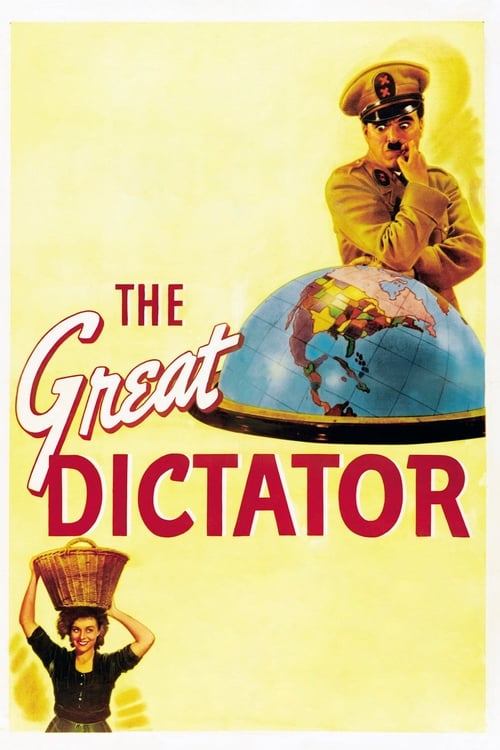
The Great Dictator - Review
A Timeless Laughter in the Face of Tyranny: A Review of Charlie Chaplin's "The Great Dictator"
In a world teetering on the brink of war, overshadowed by the ominous rise of totalitarian regimes, Charlie Chaplin dared to wield the weapon he knew best: laughter. Released in 1940, The Great Dictator wasn't just a film; it was a defiant act, a courageous stand against the encroaching darkness, and a testament to the enduring power of humanity. More than eight decades later, this satirical masterpiece remains remarkably relevant, a chillingly prescient commentary on the dangers of unchecked power and the importance of empathy. Prepare to be moved, amused, and ultimately challenged by Chaplin's audacious vision.
Plot: A Case of Mistaken Identity and Moral Awakening
The film cleverly interweaves two parallel narratives, both centered around Chaplin. One features Adenoid Hynkel, the megalomaniacal dictator of Tomania, a thinly veiled caricature of Adolf Hitler. Hynkel, surrounded by sycophantic advisors like Herring (a parody of Hermann Göring) and Garbitsch (a jab at Joseph Goebbels), dreams of world domination and relentlessly persecutes the Jewish population of Tomania. His antics are broad, often bordering on slapstick, but they underscore the inherent absurdity and pettiness of his tyrannical ambitions.
The other storyline follows an unnamed Jewish barber, a gentle and unassuming soul who lost his memory during World War I. Upon returning to his barber shop in the ghetto, he finds himself caught in the crosshairs of Hynkel's regime. He, along with his friends and neighbors, faces constant harassment and violence from the Tomanian Stormtroopers. His attempts to navigate this oppressive environment provide much of the film's comedic and poignant moments.
A crucial plot point revolves around the barber's uncanny resemblance to Hynkel. This similarity, exploited for both comedic and dramatic effect, ultimately leads to a case of mistaken identity. In a climactic twist, the barber, mistaken for Hynkel, is forced to deliver a speech to a massive rally. Instead of spewing hateful rhetoric, he seizes the opportunity to deliver a powerful and moving plea for peace, tolerance, and human brotherhood. This speech, the film's most iconic moment, is a stark departure from Chaplin's usual silent pantomime and a direct address to the audience, urging them to resist the forces of hatred and oppression.
Characters: A Symphony of Satire and Sentiment
Chaplin's dual performance as Hynkel and the barber is a tour de force. Hynkel is a caricature, a grotesque exaggeration of Hitler's mannerisms and ideology. His speeches are delivered in gibberish German, punctuated by occasional recognizable words, highlighting the nonsensical and irrational nature of his hatred. Chaplin brilliantly captures the dictator's vanity, paranoia, and insatiable hunger for power.
The barber, on the other hand, is a sympathetic and relatable character. He embodies the resilience and inherent goodness of ordinary people caught in extraordinary circumstances. His struggles, his friendships, and his unwavering optimism in the face of adversity make him a deeply compelling figure. While he may lack Hynkel's power and influence, he possesses a moral compass that guides him through the darkness.
Supporting characters like Paulette Goddard as Hannah, a young Jewish woman who becomes the barber's love interest, add depth and emotional resonance to the story. Her character represents the strength and resilience of the Jewish community in the face of persecution. Jack Oakie as Benzino Napaloni, the dictator of Bacteria (a parody of Benito Mussolini), provides further comedic relief. His interactions with Hynkel, marked by childish squabbles and power struggles, satirize the ego-driven nature of totalitarian regimes.
The characters of Herring and Garbitsch, Hynkel's advisors, are equally memorable. They embody the blind obedience and ruthless ambition that often characterize those who surround dictators. Their willingness to carry out Hynkel's orders, no matter how absurd or cruel, underscores the dangers of unchecked power and the importance of individual responsibility.
Direction and Cinematography: A Master's Touch
Chaplin's direction is masterful, seamlessly blending slapstick comedy with poignant drama. He skillfully uses visual gags and physical humor to satirize the absurdity of totalitarianism, while simultaneously employing more subtle and nuanced techniques to convey the emotional impact of persecution and oppression. The film's pacing is excellent, maintaining a balance between comedic set pieces and more serious moments of reflection.
The cinematography, while not groundbreaking by today's standards, is effective in creating a sense of atmosphere and visual storytelling. The use of shadows and lighting is particularly noteworthy in scenes depicting the ghetto, highlighting the fear and oppression that permeate the lives of its inhabitants. The film's visual style is reminiscent of German Expressionism, further emphasizing the themes of paranoia and societal decay.
One of the most memorable visual sequences is the ballet scene, where Hynkel dances with an inflatable globe. This scene is a brilliant metaphor for his megalomania and his desire to control the world. The playful and absurd nature of the scene contrasts sharply with the film's more serious themes, highlighting the inherent ridiculousness of Hynkel's ambitions.
Performances: Chaplin's Dual Triumph
As mentioned earlier, Chaplin's dual performance is the heart and soul of the film. His portrayal of Hynkel is a fearless and unforgettable satire, while his depiction of the barber is deeply moving and relatable. He seamlessly transitions between the two roles, showcasing his remarkable range as an actor and comedian.
Paulette Goddard delivers a strong and nuanced performance as Hannah, conveying her character's strength, resilience, and unwavering hope. Jack Oakie is hilarious as Napaloni, perfectly capturing the dictator's pomposity and insecurity. The supporting cast, including Henry Daniell as Garbitsch and Billy Gilbert as Herring, also delivers memorable performances, adding depth and texture to the film's ensemble.
Chaplin's decision to break his long-standing tradition of silent film and deliver a spoken speech at the end of the film was a bold and controversial move. However, it proved to be a powerful and effective way to convey his message of peace and tolerance. The speech, delivered with passion and conviction, is a testament to Chaplin's commitment to using his platform to speak out against injustice and oppression.
Themes and Messages: A Plea for Humanity
The Great Dictator is a film rich in themes and messages, all of which remain remarkably relevant today. The film's central theme is the dangers of unchecked power and the importance of resisting tyranny. Chaplin uses satire and humor to expose the absurdity and pettiness of totalitarian regimes, while simultaneously highlighting the devastating consequences of their actions.
Another key theme is the importance of empathy and compassion. The barber's unwavering kindness and his willingness to help others, even in the face of adversity, serve as a powerful example of the human capacity for good. The film also emphasizes the importance of individual responsibility and the need to stand up against injustice, even when it is difficult or dangerous.
The film's message of peace and tolerance is particularly resonant in today's world, where hatred and division continue to plague societies around the globe. Chaplin's plea for human brotherhood, delivered with such passion and conviction, serves as a timeless reminder of the importance of unity and understanding.
The film also subtly explores the theme of identity. The barber's mistaken identity allows him to experience the world from a different perspective, ultimately leading him to a greater understanding of himself and his place in the world. This theme resonates with the broader message of empathy and the importance of seeing the world through the eyes of others.
Comparisons: Echoes of Chaplin's Past and Reflections of the Future
The Great Dictator stands apart from Chaplin's earlier works in its explicit political message and its use of spoken dialogue. While his previous films often contained subtle social commentary, The Great Dictator is a direct and unambiguous condemnation of totalitarianism. It also marks a significant departure from his silent film roots, although he still incorporates elements of slapstick and physical humor into the narrative.
In terms of thematic similarities, The Great Dictator shares some common ground with other anti-war films, such as All Quiet on the Western Front (1930) and Paths of Glory (1957). However, Chaplin's film distinguishes itself through its use of satire and humor, which allows him to address serious issues in a more accessible and engaging way.
Looking at films that followed, one can see the influence of The Great Dictator in other satirical works that tackle political themes, such as Dr. Strangelove or: How I Learned to Stop Worrying and Love the Bomb (1964) and Borat (2006). These films, like Chaplin's, use humor to expose the absurdity of power and the dangers of ideology.
Furthermore, the film's exploration of identity and mistaken identity can be compared to other works that explore similar themes, such as The Prince and the Pauper (various adaptations) and Dave (1993). These stories highlight the transformative power of experiencing the world from a different perspective.
Positive Aspects: A Masterclass in Filmmaking
The Great Dictator is a film that excels on multiple levels. Chaplin's performance is outstanding, both as the comedic Hynkel and the sympathetic barber. The film's satire is sharp and insightful, effectively exposing the absurdity of totalitarianism. The cinematography is effective in creating a sense of atmosphere and visual storytelling. The pacing is excellent, maintaining a balance between comedy and drama. And the film's message of peace and tolerance remains timeless and relevant.
The film's comedic set pieces are particularly memorable, showcasing Chaplin's mastery of physical humor. The ballet scene with the globe, the shaving scene, and the soup-eating contest between Hynkel and Napaloni are all classic examples of Chaplin's comedic genius.
The film's emotional impact is also undeniable. The scenes depicting the persecution of the Jewish community are deeply moving and underscore the human cost of hatred and oppression. The barber's unwavering kindness and his willingness to help others, even in the face of adversity, are truly inspiring.
Finally, the film's ending, with the barber's powerful speech, is one of the most iconic and memorable moments in cinematic history. The speech is a testament to Chaplin's commitment to using his platform to speak out against injustice and oppression, and it continues to resonate with audiences today.
Constructive Criticism: Minor Imperfections in a Masterpiece
While The Great Dictator is undoubtedly a masterpiece, it is not without its minor imperfections. Some critics have argued that the film's satire is too broad and that it relies too heavily on caricature. Others have suggested that the film's ending, with the barber's speech, is somewhat preachy and detracts from the film's overall comedic tone.
Additionally, some viewers may find the film's depiction of the Jewish community to be somewhat stereotypical. While the film is undoubtedly sympathetic to the plight of the Jewish people, some of the characters and situations may perpetuate certain stereotypes.
However, these criticisms are relatively minor and do not detract significantly from the film's overall impact. The Great Dictator remains a powerful and important work of art, and its message of peace and tolerance continues to resonate with audiences today.
Conclusion: A Timeless Call for Humanity
The Great Dictator is more than just a comedy; it's a courageous act of defiance, a powerful statement against tyranny, and a timeless plea for humanity. Charlie Chaplin's dual performance is a tour de force, and the film's satire is both sharp and insightful. While it may have a few minor flaws, its overall impact is undeniable. This film is a must-see for anyone interested in classic cinema, political satire, or the enduring power of the human spirit.
Rating: 9.5/10