Once Upon a Studio - Review
Once Upon a Studio: A Century of Disney Magic Captured in a Fleeting Moment
Disney's 100th anniversary was always going to be a grand affair, a momentous occasion for the studio that has defined childhoods and shaped generations. And what better way to celebrate a century of storytelling than by bringing together the very characters who have woven themselves into the fabric of our collective consciousness? Once Upon a Studio, a short film directed by Dan Abraham and Trent Correy, does just that, offering a heartwarming and visually stunning tribute to Disney's legacy. More than just a nostalgic trip down memory lane, it's a celebration of the power of animation, the enduring appeal of these iconic characters, and the magic that Disney has consistently brought to the world. But does it live up to the immense weight of expectation placed upon it? Let's delve into the enchanting world of Once Upon a Studio and find out.
Plot: A Reunion for the Ages
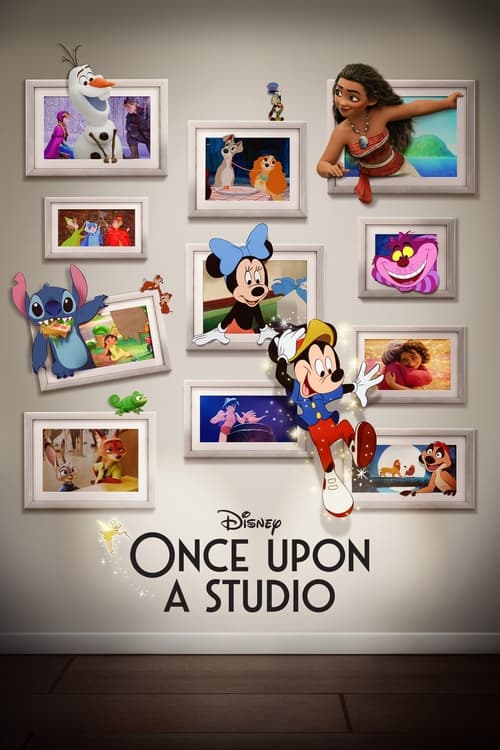
The premise of Once Upon a Studio is deceptively simple: Mickey Mouse, ever the responsible leader, realizes it's time for the annual Disney company photo. He enlists Minnie Mouse's help to round up the rest of the gang, a task that proves to be more challenging than anticipated. What follows is a delightful montage of characters emerging from their portraits, animated figures stepping out of their two-dimensional worlds and into the real-world setting of the Walt Disney Animation Studios building. From classic characters like Snow White and Pinocchio to more recent additions like Moana and Elsa, the sheer breadth of Disney's animated history is on full display. The plot, while minimal, serves as a perfect vehicle for showcasing the diverse personalities and iconic moments that have defined Disney animation. Each character interaction, each fleeting glimpse of a familiar face, is a carefully crafted moment designed to evoke a sense of nostalgia and wonder.
The narrative unfolds with a light and playful tone, never taking itself too seriously. The humor is gentle and often self-referential, poking fun at the characters' quirks and the studio's own history. There are moments of slapstick comedy, heartwarming interactions, and even a few meta jokes that will undoubtedly resonate with Disney fans of all ages. The film culminates in the group photo itself, a visually stunning tableau that brings together over 500 Disney characters in a single frame. It's a truly awe-inspiring moment, a testament to the enduring power of Disney's storytelling and the indelible mark it has left on popular culture.
Characters: A Symphony of Familiar Faces
The true strength of Once Upon a Studio lies in its characters. The film isn't about developing new personalities or exploring complex backstories; it's about celebrating the characters we already know and love. Each character is given their moment to shine, whether it's a brief cameo or a more extended interaction. Mickey Mouse, as the de facto leader, embodies the spirit of Disney: optimistic, enthusiastic, and always ready to bring people together. Minnie Mouse provides a grounding presence, balancing Mickey's exuberance with her own warmth and charm.
Beyond Mickey and Minnie, the film is a veritable treasure trove of beloved characters. We see the mischievous Genie from Aladdin working his magic, the ever-optimistic Cinderella sharing a moment with her Fairy Godmother, and the stoic Mulan standing tall amongst her fellow heroes. The film cleverly utilizes each character's established personality traits, creating humorous and heartwarming interactions that feel both authentic and nostalgic. The inclusion of characters from different eras and animation styles is particularly impressive, showcasing the evolution of Disney animation over the past century.
However, the sheer number of characters also presents a challenge. With so many personalities vying for attention, some characters inevitably get lost in the shuffle. While the film does a commendable job of giving each character a brief moment to shine, it's impossible to fully explore every character's nuances within the limited runtime. Some viewers may find themselves wishing for more extended interactions between certain characters or a deeper exploration of their relationships.
Direction: A Masterful Blend of Styles
Dan Abraham and Trent Correy's direction is nothing short of masterful. They skillfully navigate the complexities of bringing together characters from different eras and animation styles, creating a cohesive and visually stunning whole. The film seamlessly blends traditional hand-drawn animation with computer-generated imagery, paying homage to Disney's rich history while also embracing modern techniques. The directors demonstrate a deep understanding of the characters and their respective universes, ensuring that each interaction feels authentic and true to the source material.
The pacing of the film is also expertly handled. The narrative moves at a brisk but deliberate pace, allowing each character to have their moment without feeling rushed. The directors use visual storytelling to great effect, relying on subtle gestures and expressions to convey emotion and humor. The film is also filled with Easter eggs and references to Disney's history, rewarding attentive viewers with hidden details and callbacks to classic films. The directors' attention to detail is evident in every frame, making Once Upon a Studio a truly immersive and rewarding viewing experience.
One of the most impressive aspects of the direction is the way in which Abraham and Correy manage to evoke a sense of wonder and nostalgia. The film is filled with moments that will resonate with Disney fans of all ages, reminding them of the joy and magic that Disney has brought to their lives. The directors understand the emotional connection that viewers have with these characters and use that connection to create a truly unforgettable experience.
Cinematography: A Visual Feast
The cinematography in Once Upon a Studio is simply breathtaking. The film is a visual feast, filled with vibrant colors, stunning animation, and expertly crafted compositions. The animators have done a remarkable job of bringing these characters to life, imbuing them with a sense of personality and emotion that is truly captivating. The film also makes excellent use of lighting and shadow, creating a sense of depth and realism that is rarely seen in animated films.
The seamless integration of traditional and computer-generated animation is particularly impressive. The animators have managed to blend these two styles seamlessly, creating a visual aesthetic that is both modern and nostalgic. The film also features a number of stunning visual effects, including magical sparkles, shimmering lights, and dynamic camera movements. These effects add to the overall sense of wonder and enchantment, making Once Upon a Studio a truly immersive and visually stunning experience.
The use of color is also particularly noteworthy. The film is filled with vibrant and saturated colors, creating a sense of joy and optimism. The animators have also used color to great effect in creating atmosphere and mood. For example, the scenes set in the Walt Disney Animation Studios building are bathed in warm, inviting light, while the scenes featuring darker characters are often shrouded in shadow. This attention to detail in the use of color adds to the overall visual impact of the film.
Performances: The Voices We Know and Love
The voice acting in Once Upon a Studio is exceptional. The film features a mix of both original voice actors and talented impersonators, all of whom deliver pitch-perfect performances. The return of voice acting legends like Idina Menzel (Elsa) and Jodi Benson (Ariel) is particularly heartwarming, adding to the overall sense of nostalgia and authenticity. The impersonators, while not the original voices, do an admirable job of capturing the essence of their respective characters, ensuring that each performance feels true to the source material.
The dialogue in the film is witty and engaging, filled with both humor and heart. The voice actors bring these lines to life with their expressive performances, adding layers of nuance and emotion to each character. The interactions between the characters are particularly well-written, creating a sense of camaraderie and connection that is truly heartwarming. The voice acting in Once Upon a Studio is a testament to the talent and dedication of the performers, adding another layer of depth and enjoyment to the film.
Beyond the established voice actors, the film also features archival audio of Walt Disney himself. Hearing Walt's voice is a particularly poignant moment, reminding viewers of the man who started it all. This inclusion adds a layer of historical significance to the film, further emphasizing the legacy of Disney animation.
Themes and Messages: A Celebration of Legacy and Community
Once Upon a Studio is more than just a collection of beloved characters; it's a celebration of Disney's enduring legacy and the power of community. The film emphasizes the importance of teamwork, collaboration, and the shared love of storytelling. The characters come together to create something truly special, a group photo that represents the culmination of a century of creativity and innovation. The film also highlights the importance of preserving history and passing on traditions to future generations.
The film's central message is one of hope and optimism. Despite the challenges and uncertainties of the world, Disney's characters offer a sense of comfort and reassurance. They remind us that anything is possible with a little bit of imagination and a lot of heart. The film also celebrates the diversity of Disney's characters, showcasing the wide range of personalities and backgrounds that have contributed to the studio's success. This inclusivity is a testament to Disney's commitment to representing all people and cultures in its storytelling.
Ultimately, Once Upon a Studio is a reminder of the power of storytelling to connect us all. The film celebrates the shared experiences and memories that Disney has created for generations of viewers. It's a reminder that these characters are more than just drawings on a screen; they are symbols of hope, joy, and the enduring power of imagination.
Comparison to Other Films and Works
Once Upon a Studio can be compared to other animated shorts that celebrate Disney's history, such as Mickey's Christmas Carol and Get a Horse!. However, Once Upon a Studio is unique in its scope and ambition. It features a far greater number of characters than any previous Disney short, and it seamlessly blends different animation styles in a way that has never been done before. The film also draws inspiration from live-action films that feature animated characters, such as Who Framed Roger Rabbit, but it puts its own unique spin on the concept.
In terms of directing style, Dan Abraham and Trent Correy have previously worked on a variety of Disney animated projects. Their experience in character animation and visual storytelling is evident in Once Upon a Studio. The film's seamless blending of animation styles and its attention to detail are a testament to their expertise.
The film's themes of legacy and community are also reminiscent of other Disney films, such as The Lion King and Coco. These films explore the importance of family, tradition, and the enduring power of the past. Once Upon a Studio builds upon these themes, celebrating the unique legacy of Disney animation and the community of artists and storytellers who have contributed to its success.
Positive Aspects
Once Upon a Studio is a triumph of animation, a heartwarming tribute to Disney's enduring legacy. The film's strengths lie in its:
- Nostalgic appeal: The film is filled with moments that will resonate with Disney fans of all ages.
- Visual stunning animation: The seamless blending of traditional and computer-generated animation is a visual feast.
- Exceptional voice acting: The performances are pitch-perfect, bringing the characters to life with humor and heart.
- Heartwarming themes: The film celebrates the power of community, the importance of legacy, and the enduring magic of Disney storytelling.
- Expert direction: Dan Abraham and Trent Correy skillfully navigate the complexities of bringing together so many characters and animation styles.
Constructive Criticism
While Once Upon a Studio is a remarkable achievement, it's not without its flaws. Some areas for potential improvement include:
- Limited character development: With so many characters vying for attention, some inevitably get lost in the shuffle.
- Brief runtime: The short film format limits the ability to fully explore the nuances of each character and their relationships.
- Potential for more emotional depth: While the film is heartwarming, it could have benefited from a few more moments of genuine emotional depth.
Conclusion
Once Upon a Studio is a must-see for any Disney fan. It's a heartwarming and visually stunning tribute to the studio's enduring legacy, a celebration of the characters we know and love, and a reminder of the power of storytelling to connect us all. While the film may have a few minor flaws, its strengths far outweigh its weaknesses. It's a truly magical experience that will leave you feeling nostalgic, inspired, and grateful for the joy that Disney has brought to the world. Once Upon a Studio is not just a film; it's a celebration of a century of dreams.
Rating: 9.5/10