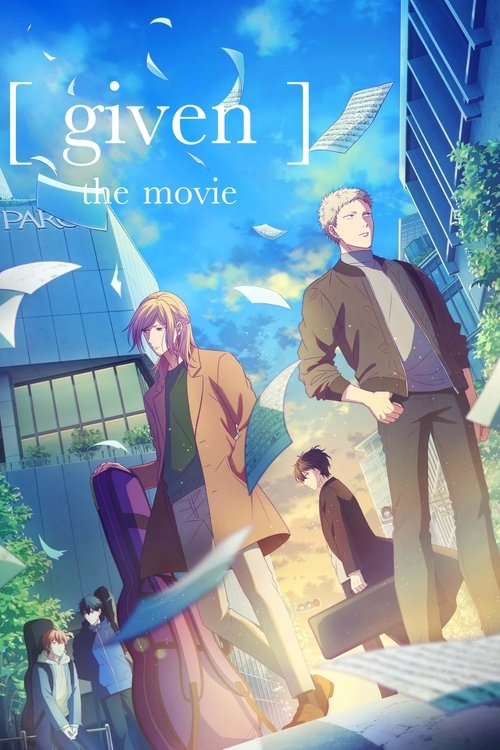
Given - Review
Given: A Symphony of Unrequited Love and Musical Catharsis
Given, the 2020 animated film directed by Hikaru Yamaguchi, isn't just another boy's love (BL) story; it's a poignant exploration of love, loss, and the healing power of music. Stepping beyond the familiar tropes of the genre, Given delves into the complexities of relationships, the pain of unrequited affection, and the courage it takes to move forward after heartbreak. While visually stunning and emotionally resonant, the film also grapples with pacing issues and a slightly underdeveloped supporting character, preventing it from achieving true perfection. However, its strengths far outweigh its weaknesses, making it a must-watch for fans of animation, romance, and emotionally driven narratives.
Plot: A Tangled Web of Emotions
The film picks up where the Given anime series leaves off, focusing primarily on the intricate love triangle between Haruki Nakayama, Akihiko Kaji, and Ugetsu Murata. Haruki, the bass player of the band Given, harbors deep, unspoken feelings for Akihiko, the band's drummer. Akihiko, however, is entangled in a volatile and codependent relationship with his roommate, Ugetsu, a prodigious violinist whose music is both captivating and emotionally draining. The plot revolves around Haruki's struggle to confess his feelings, Akihiko's internal conflict between his past and his potential future, and Ugetsu's inability to let go of Akihiko despite knowing their relationship is ultimately unsustainable.
The narrative structure is carefully constructed, weaving together flashbacks that reveal the history between Akihiko and Ugetsu, providing context for their current predicament. These flashbacks are crucial for understanding the depth of their connection and the reasons behind their inability to sever ties completely. The film skillfully balances the burgeoning romance between Haruki and Akihiko with the lingering presence of Ugetsu, creating a palpable sense of tension and uncertainty. The climax of the film centers around Given's performance at a music festival, where Akihiko finally confronts his feelings and makes a decisive choice about his future.
While the core plot is compelling, the pacing occasionally falters. Certain scenes, particularly those involving Ugetsu's internal struggles, feel somewhat drawn out, slowing down the momentum of the story. Additionally, the film assumes a certain level of familiarity with the characters and their relationships from the anime series. While newcomers can still follow the plot, they may miss some of the nuances and emotional weight of certain scenes.
Characters: Complexities and Vulnerabilities
The strength of Given lies in its well-developed and relatable characters. Each character is flawed, vulnerable, and driven by their own unique desires and insecurities.
Haruki Nakayama
Haruki is perhaps the most sympathetic character in the film. He is portrayed as a kind, gentle, and somewhat reserved individual who has secretly admired Akihiko for years. His internal struggles are palpable, as he grapples with his unrequited feelings and the fear of rejection. Haruki's character arc is about finding the courage to express his emotions and embrace the possibility of love, even in the face of uncertainty. His quiet strength and unwavering support for Akihiko make him a truly endearing character.
Akihiko Kaji
Akihiko is the most complex and conflicted character in the film. He is a talented musician who is haunted by his past relationship with Ugetsu. Akihiko is portrayed as being emotionally stunted, unable to fully commit to either Haruki or Ugetsu. He is torn between his lingering attachment to Ugetsu and his growing affection for Haruki. Akihiko's character arc is about confronting his past traumas, learning to trust his own feelings, and finding the courage to move forward. The film does a commendable job of portraying Akihiko's internal struggles without demonizing him, allowing the audience to empathize with his predicament.
Ugetsu Murata
Ugetsu is the most enigmatic and tragic character in the film. He is a prodigious violinist who is consumed by his passion for music. Ugetsu is portrayed as being emotionally fragile and possessive, unable to let go of Akihiko despite knowing their relationship is toxic. His character is driven by a deep-seated fear of abandonment and a desperate need for validation. While Ugetsu's actions are often selfish and destructive, the film also portrays him with a degree of sympathy, highlighting the pain and loneliness that underlie his behavior. However, Ugetsu's character development feels somewhat rushed and underdeveloped compared to Haruki and Akihiko. His motivations are sometimes unclear, and his ultimate fate feels somewhat ambiguous.
Other Characters
While the film primarily focuses on Haruki, Akihiko, and Ugetsu, the other members of the band Given – Ritsuka Uenoyama and Mafuyu Sato – also make appearances. However, their roles are significantly smaller than in the anime series. Ritsuka provides occasional support and advice to Haruki, while Mafuyu serves as a reminder of the healing power of music. While their presence adds to the overall atmosphere of the film, their contributions to the plot are relatively minor.
Direction and Cinematography: A Visual Masterpiece
Hikaru Yamaguchi's direction is masterful, creating a visually stunning and emotionally resonant film. The animation is fluid and expressive, capturing the nuances of the characters' emotions with remarkable detail. The use of color is particularly effective, with vibrant hues used to depict moments of joy and passion, and muted tones used to convey feelings of sadness and despair. The backgrounds are beautifully rendered, creating a sense of atmosphere and realism.
The cinematography is equally impressive, with dynamic camera angles and creative transitions that enhance the emotional impact of the story. The film makes extensive use of close-ups, allowing the audience to connect with the characters on a deeper level. The lighting is also carefully considered, creating a sense of intimacy and vulnerability. The concert scenes are particularly well-executed, with dynamic camera movements and energetic animation that capture the excitement and passion of live performance.
The film's visual style is consistent with the anime series, but with a noticeable increase in detail and polish. The characters' expressions are more nuanced, and the backgrounds are more richly detailed. The overall effect is a visually stunning and immersive experience that enhances the emotional impact of the story.
Performances: Voices That Resonate
The voice acting in Given is exceptional, with each actor delivering a nuanced and believable performance. Masatomo Nakazawa as Haruki perfectly captures the character's gentle nature and internal struggles. Takuya Eguchi as Akihiko conveys the character's emotional complexity and inner turmoil with remarkable skill. Shintarō Asanuma as Ugetsu brings a sense of fragility and desperation to the character, making him both sympathetic and unsettling. The entire cast delivers a performance that elevates the film's emotional impact.
The musical performances are also outstanding, with the songs seamlessly integrated into the narrative. The music is both emotionally evocative and technically impressive, capturing the passion and artistry of the characters. The songs serve as a powerful means of expressing the characters' emotions and driving the plot forward.
Themes and Messages: Love, Loss, and Healing
Given explores a variety of complex themes, including:
Unrequited Love
The film delves into the pain and frustration of unrequited love, exploring the emotional toll it takes on the characters. Haruki's unrequited feelings for Akihiko are a central theme of the film, highlighting the challenges of expressing one's emotions and the fear of rejection.
The Power of Music
Music serves as a powerful means of communication and emotional expression in Given. The characters use music to express their feelings, connect with each other, and heal from their past traumas. The film celebrates the transformative power of music and its ability to transcend language and cultural barriers.
Moving On From the Past
The film explores the challenges of moving on from past relationships and traumas. Akihiko's struggle to let go of Ugetsu is a central theme of the film, highlighting the difficulty of severing ties with someone who has been a significant part of one's life. The film suggests that healing from the past requires confronting one's emotions, accepting the pain, and finding the courage to move forward.
The Importance of Communication
The film emphasizes the importance of open and honest communication in relationships. The characters' struggles often stem from their inability to communicate their feelings effectively. The film suggests that strong relationships are built on trust, honesty, and a willingness to express one's emotions.
Self-Discovery
Each character undergoes a journey of self-discovery throughout the film. Haruki learns to embrace his feelings and express himself openly. Akihiko confronts his past traumas and learns to trust his own judgment. Ugetsu grapples with his own insecurities and learns to accept his limitations. The film suggests that personal growth requires introspection, self-awareness, and a willingness to change.
Comparison to Other Works
Given shares similarities with other BL anime and manga, such as Yarichin Bitch Club and Doukyuusei -Classmates-, in its exploration of same-sex relationships and emotional complexities. However, Given distinguishes itself through its focus on music and its more nuanced and realistic portrayal of its characters. Unlike some BL works that rely on exaggerated stereotypes and sensationalism, Given strives for authenticity and emotional depth.
Compared to other works by Hikaru Yamaguchi, Given showcases a significant improvement in animation quality and storytelling. Yamaguchi's previous works, while competent, lacked the visual polish and emotional resonance of Given. This film represents a significant step forward in Yamaguchi's career and establishes her as a talented and promising director.
Positive Aspects
- Emotionally Resonant Story: The film's exploration of love, loss, and healing is deeply moving and relatable.
- Well-Developed Characters: The characters are complex, flawed, and driven by their own unique motivations.
- Stunning Visuals: The animation is fluid, expressive, and visually stunning.
- Exceptional Voice Acting: The voice actors deliver nuanced and believable performances.
- Powerful Music: The songs are emotionally evocative and seamlessly integrated into the narrative.
- Mature Themes: The film tackles complex themes such as unrequited love, moving on from the past, and the importance of communication.
Constructive Criticism
- Pacing Issues: The pacing occasionally falters, particularly in scenes involving Ugetsu's internal struggles.
- Underdeveloped Supporting Character: Ugetsu's character development feels somewhat rushed and underdeveloped compared to Haruki and Akihiko.
- Assumed Familiarity: The film assumes a certain level of familiarity with the characters and their relationships from the anime series.
- Minor Role for Other Band Members: Ritsuka and Mafuyu's roles are significantly smaller than in the anime series.
Conclusion
Given is a beautiful and emotionally resonant film that explores the complexities of love, loss, and the healing power of music. While it suffers from minor pacing issues and a slightly underdeveloped supporting character, its strengths far outweigh its weaknesses. The film's well-developed characters, stunning visuals, exceptional voice acting, and powerful music make it a truly unforgettable experience. Given is a must-watch for fans of animation, romance, and emotionally driven narratives. It's a symphony of emotions that will stay with you long after the credits roll.