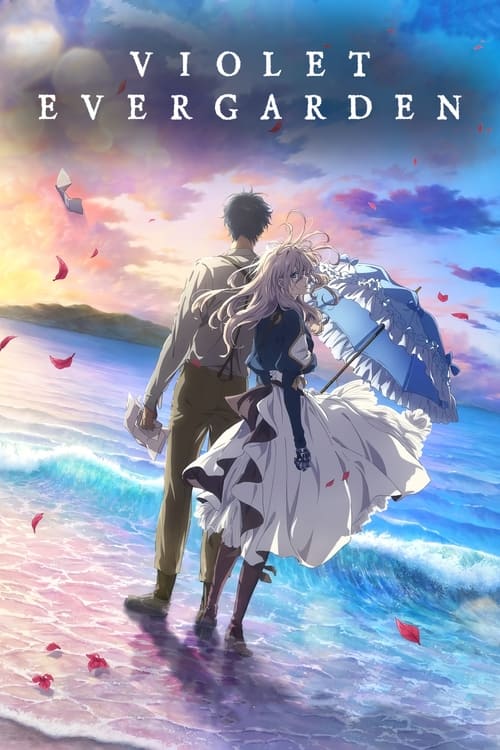
Violet Evergarden: The Movie - Review
Violet Evergarden: The Movie - A Symphony of Sentiment
The world of Violet Evergarden is one painted with delicate strokes of emotion, a canvas where grief and hope intertwine. "Violet Evergarden: The Movie," released in 2020, serves as both a poignant continuation and a satisfying culmination of Violet's journey. It's a film that doesn't just tell a story; it immerses you in a world brimming with beauty and heartbreak, leaving an indelible mark long after the credits roll. But does this final chapter truly reach the heights of its predecessors, or does it stumble under the weight of expectation? Let's delve into the intricate details of this cinematic masterpiece.
Plot: Lingering Scars and Whispers of Hope
The movie picks up where the series and the "Eternity and the Auto Memories Doll" OVA left off. Violet, now a renowned Auto Memories Doll, continues to write letters that bridge hearts and heal wounds. However, the specter of Major Gilbert Bougainvillea, her commanding officer and the man she holds dear, continues to haunt her. A lingering question mark hangs over his fate, fueling Violet's quiet desperation and the unwavering hope that he might still be alive.
The narrative unfolds across multiple timelines. We witness Violet's present-day life, punctuated by glimpses into her past and the war that shaped her. Interwoven within this is the story of a young boy named Yuris, who seeks Violet's help in writing letters to his family as he faces a terminal illness. Yuris's story, while emotionally resonant, serves as a parallel to Violet's own internal struggle, highlighting the importance of expressing feelings and cherishing connections.
The central conflict revolves around the discovery of a letter, seemingly written by Gilbert, on a remote island. This revelation ignites a spark of hope within Violet, prompting her to embark on a journey to uncover the truth. This quest forms the backbone of the film, leading Violet to confront her past traumas and finally grapple with the complex emotions she has been suppressing for so long.
While the plot is relatively straightforward, its strength lies in its emotional depth and character development. The film doesn't rely on grandiose action sequences or intricate plot twists; instead, it focuses on the intimate moments, the unspoken feelings, and the subtle nuances of human connection. This deliberate pacing allows the audience to fully immerse themselves in Violet's world and empathize with her journey.
Characters: A Symphony of Growth and Healing
Violet Evergarden: At the heart of the film is Violet, a character who has undergone a remarkable transformation. From a child soldier devoid of emotion, she has evolved into a compassionate and empathetic individual, capable of understanding and conveying the deepest human sentiments. The movie showcases the culmination of this growth, as Violet finally confronts her feelings for Gilbert and learns to accept the possibility of happiness. Her internal struggles are palpable, and her quiet determination is both inspiring and heartbreaking.
Gilbert Bougainvillea: Gilbert's presence looms large over the entire narrative, even when he is not physically present. He represents Violet's past, her trauma, and her hope for a future. When he finally appears, the reunion is handled with a delicate touch, avoiding melodrama and focusing on the genuine connection between the two characters. Gilbert's own struggles with guilt and regret are explored, adding another layer of complexity to his character.
Claudia Hodgins: Hodgins, Violet's mentor and guardian, continues to be a pillar of support. His unwavering faith in Violet and his gentle guidance are instrumental in her journey towards healing. He acts as a bridge between Violet and the world, helping her navigate the complexities of human relationships.
Yuris: Yuris, the terminally ill boy, serves as a catalyst for Violet's emotional growth. His story, while brief, is deeply affecting, reminding Violet of the importance of expressing feelings and cherishing the present moment. He represents the fragility of life and the power of human connection.
The supporting characters, including Cattleya Baudelaire, Benedict Blue, and Erica Brown, also play significant roles, providing emotional support and contributing to the overall sense of community within the CH Postal Company. Each character is well-developed and adds depth to the narrative.
Direction: A Masterclass in Visual Storytelling
Taichi Ishidate's direction is nothing short of masterful. He expertly crafts a world that is both visually stunning and emotionally resonant. The film is filled with breathtaking landscapes, meticulously detailed character designs, and fluid animation that brings the story to life. Ishidate's attention to detail is evident in every frame, from the subtle expressions on the characters' faces to the intricate patterns on their clothing.
The pacing of the film is deliberate, allowing the audience to fully immerse themselves in the emotional landscape. Ishidate uses long takes and slow camera movements to create a sense of intimacy and contemplation. He also employs visual metaphors and symbolism to enhance the emotional impact of the story. The use of light and shadow is particularly effective, creating a mood that is both melancholic and hopeful.
Ishidate's direction is not just visually impressive; it is also deeply sensitive to the emotional nuances of the story. He understands the characters' motivations and emotions, and he conveys them with remarkable clarity. He avoids melodrama and instead focuses on the genuine human connection between the characters. This sensitivity is what makes the film so emotionally resonant and unforgettable.
Cinematography: A Feast for the Eyes
The cinematography in "Violet Evergarden: The Movie" is simply breathtaking. The film is a visual feast, filled with stunning landscapes, vibrant colors, and intricate details. The animators at Kyoto Animation have truly outdone themselves, creating a world that is both realistic and fantastical.
The use of color is particularly effective in conveying the emotional tone of the story. Warm colors are used to depict moments of happiness and connection, while cool colors are used to depict moments of sadness and isolation. The lighting is also carefully considered, creating a mood that is both melancholic and hopeful.
The camera work is fluid and dynamic, drawing the viewer into the world of Violet Evergarden. The use of long takes and slow camera movements creates a sense of intimacy and contemplation. The film also features several stunning aerial shots that showcase the beauty of the landscape.
The attention to detail in the animation is truly remarkable. Every blade of grass, every ripple in the water, every strand of hair is meticulously rendered. This level of detail adds to the realism of the world and makes it all the more immersive.
Performances: Voices that Resonate
The voice acting in "Violet Evergarden: The Movie" is exceptional. Yui Ishikawa delivers a tour-de-force performance as Violet Evergarden, conveying the character's complex emotions with remarkable nuance. Her voice is both strong and vulnerable, capturing Violet's transformation from a child soldier to a compassionate and empathetic individual.
Daisuke Namikawa also delivers a compelling performance as Gilbert Bougainvillea. His voice is filled with warmth and tenderness, conveying Gilbert's love and concern for Violet. He also captures Gilbert's internal struggles with guilt and regret.
The supporting cast also delivers strong performances, bringing their characters to life with authenticity and emotion. The voice acting is a crucial element of the film's success, enhancing the emotional impact of the story and making the characters all the more relatable.
Themes and Messages: Love, Loss, and the Power of Connection
"Violet Evergarden: The Movie" explores several profound themes, including love, loss, grief, healing, and the power of human connection. The film highlights the importance of expressing emotions, cherishing relationships, and finding meaning in life.
One of the central themes of the film is the transformative power of love. Violet's love for Gilbert is what motivates her to learn about emotions and connect with others. It is through this love that she is able to heal from her past traumas and find happiness.
The film also explores the complexities of grief and the importance of finding healthy ways to cope with loss. Violet's journey is one of confronting her past traumas and learning to accept the loss of those she has loved. Through her work as an Auto Memories Doll, she helps others to process their grief and find solace in their memories.
Another important theme of the film is the power of human connection. Violet's relationships with Hodgins, Cattleya, Benedict, and Erica provide her with emotional support and help her to navigate the complexities of life. The film emphasizes the importance of building strong relationships and cherishing the connections we have with others.
Ultimately, "Violet Evergarden: The Movie" is a message of hope. It reminds us that even in the face of loss and adversity, it is possible to find happiness and meaning in life. It encourages us to express our emotions, cherish our relationships, and never give up on the possibility of a brighter future.
Comparison to Other Works: A Unique Voice
While "Violet Evergarden: The Movie" shares some thematic similarities with other anime films that explore themes of loss and healing, such as "Grave of the Fireflies" and "Your Name," it possesses a unique voice and style. Unlike "Grave of the Fireflies," which focuses on the horrors of war, "Violet Evergarden" explores the aftermath of war and the challenges of reintegrating into society. And while "Your Name" utilizes fantastical elements to explore themes of connection and destiny, "Violet Evergarden" grounds its story in a more realistic and emotionally resonant setting.
Compared to previous works by Kyoto Animation, such as "A Silent Voice," "Violet Evergarden" shares a similar emphasis on character development and emotional depth. However, "Violet Evergarden" is arguably more ambitious in its scope and more emotionally resonant in its execution. The film showcases Kyoto Animation's signature animation style, with its meticulous attention to detail and its breathtaking visuals. However, "Violet Evergarden" also demonstrates a greater maturity and sophistication in its storytelling.
Positive Aspects: A Triumph of Emotion and Artistry
The film's strengths are numerous and undeniable. The animation is stunning, the voice acting is superb, and the story is deeply moving. The characters are well-developed and relatable, and their emotional journeys are both inspiring and heartbreaking. The film's themes of love, loss, and healing are universal and resonate with audiences of all ages. The direction is masterful, creating a world that is both visually stunning and emotionally resonant. The music is haunting and beautiful, enhancing the emotional impact of the story.
The film also deserves praise for its sensitive and nuanced portrayal of PTSD and the challenges of reintegrating into society after war. Violet's journey is a testament to the resilience of the human spirit and the power of love to heal even the deepest wounds.
Perhaps the film's greatest strength is its ability to evoke a wide range of emotions in the viewer. From joy and hope to sadness and grief, "Violet Evergarden: The Movie" takes you on an emotional rollercoaster that leaves you feeling both exhausted and exhilarated.
Constructive Criticism: Minor Imperfections
While "Violet Evergarden: The Movie" is a masterpiece, it is not without its minor imperfections. The pacing of the film can be slow at times, particularly in the first act. The plot, while emotionally resonant, is relatively straightforward and predictable. Some viewers may find the film overly sentimental or melodramatic.
Additionally, the film's reliance on flashbacks can be confusing at times, particularly for viewers who are not familiar with the series. A more streamlined narrative structure could have improved the film's overall flow.
Finally, while the film's ending is satisfying, some viewers may find it somewhat anticlimactic. A more definitive resolution to Violet's story could have provided a greater sense of closure.
Conclusion: A Lasting Legacy
Despite its minor imperfections, "Violet Evergarden: The Movie" is a triumph of emotion and artistry. It is a film that will stay with you long after the credits roll, reminding you of the importance of love, loss, and the power of human connection. It is a fitting conclusion to Violet's journey, showcasing her growth and healing in a way that is both poignant and satisfying. It solidifies Violet Evergarden's place as a modern anime classic, a testament to the power of animation to tell deeply human stories.
Rating: 9.5/10