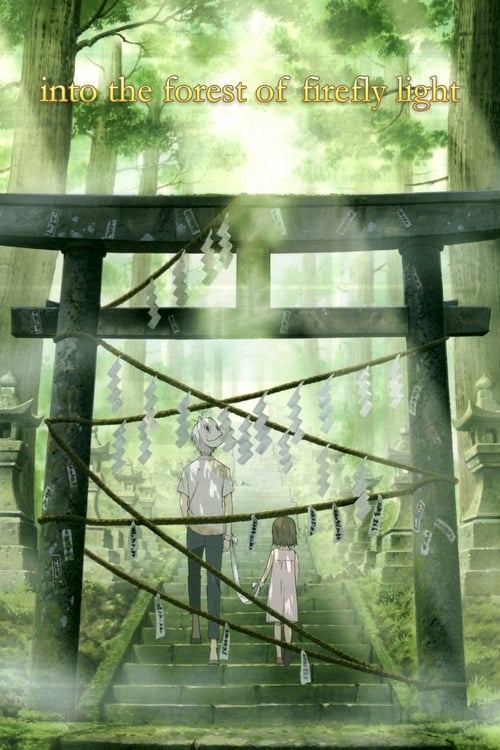
Hotarubi no Mori e - Review
A Fleeting Summer Dream: A Review of Hotarubi no Mori e
Imagine a world where the ephemeral beauty of summer intertwines with the bittersweet pangs of first love, all set against a backdrop of ancient forests and whispering spirits. This is the enchanting realm of Hotarubi no Mori e (Into the Forest of Fireflies' Light), a 2011 animated film that lingers in the heart long after the credits roll. More than just a simple romance, it's a poignant meditation on mortality, connection, and the acceptance of transient beauty. Prepare to be swept away by its delicate charm and profound emotional resonance.
Plot: A Dance of Distance and Destiny
The story unfolds with six-year-old Hotaru Takegawa, a spirited girl who gets hopelessly lost in the forest bordering her uncle's village. This is no ordinary woodland; it's a place inhabited by yokai, spirits of Japanese folklore. Terrified and disoriented, Hotaru encounters Gin, a masked young man who reveals a startling truth: he is a spirit, cursed to disappear if touched by a human. This revelation sets the stage for an unconventional relationship, one defined by distance and an unspoken longing. Every summer, Hotaru returns to the forest, spending her days with Gin. As she grows older, their bond deepens, evolving from playful companionship into a deep, unspoken love. The central conflict lies not in external forces, but in the inherent limitations of their existence. Their love is a fragile flame, threatened by the very nature of their beings. The plot is deceptively simple, yet it masterfully uses its brevity to explore complex emotions and philosophical themes. The ending, while undeniably heartbreaking, is also beautifully cathartic, providing a sense of closure and acceptance.
Characters: Masks and Unveiled Hearts
The strength of Hotarubi no Mori e lies in its deeply human, albeit supernatural, characters.
Hotaru Takegawa
Hotaru is the audience's anchor, a relatable character whose journey from childhood innocence to teenage yearning resonates deeply. We witness her maturation through her interactions with Gin, seeing her transform from a naive child into a young woman grappling with complex emotions. Her unwavering devotion to Gin, despite the physical limitations, underscores her genuine and selfless nature. Her character is not overtly dramatic or flamboyant; instead, she embodies a quiet strength and resilience that makes her all the more endearing. Her growth is subtle yet profound, making her a compelling protagonist.
Gin
Gin is an enigmatic figure, shrouded in mystery and burdened by his unique existence. His mask, initially a barrier, becomes a symbol of both his isolation and his connection to the spirit world. He is kind, gentle, and fiercely protective of Hotaru, but also carries a deep-seated sadness stemming from his inability to experience human touch. He represents the beauty of things that are untouchable and fleeting. His backstory, revealed gradually throughout the film, adds layers of complexity to his character, making him more than just a romantic interest. He's a symbol of acceptance, sacrifice, and the bittersweet nature of existence.
Supporting Characters
While Hotaru and Gin are the central focus, the supporting characters, though limited in screen time, contribute to the film's overall atmosphere. Hotaru's uncle provides a grounding presence, representing the normalcy of the human world. The forest spirits, though largely unseen, add to the mystical and enchanting quality of the setting. Their presence subtly reminds us of the ancient and powerful forces at play. These characters, even in their brevity, help to create a believable and immersive world.
Direction and Cinematography: Painting a Summer Dream
Takahiro Omori's direction is masterful in its restraint and subtlety. He allows the story to unfold at a deliberate pace, focusing on the emotional nuances of the characters rather than relying on flashy visuals or dramatic plot twists. The film's pacing is perfectly calibrated, allowing the audience to fully immerse themselves in the world and connect with the characters on a deep emotional level. The use of silence and visual storytelling is particularly effective, conveying a sense of longing and unspoken emotions.
The cinematography is breathtaking, capturing the beauty of the Japanese countryside with stunning detail. The lush greenery of the forest, the shimmering light of fireflies, and the vibrant colors of summer festivals are all rendered with exquisite care. The use of light and shadow is particularly noteworthy, creating a sense of mystery and enchantment. The animation style is simple yet elegant, perfectly complementing the film's understated tone. The character designs are expressive and evocative, conveying a wide range of emotions through subtle facial expressions and body language. The overall visual aesthetic is reminiscent of a watercolor painting, lending the film a dreamlike quality that perfectly captures the ephemeral nature of the story.
Performances: Voicing the Unspoken
The voice acting in Hotarubi no Mori e is exceptional, bringing the characters to life with nuanced and emotive performances. Ayane Sakura as Hotaru perfectly captures the character's youthful innocence and growing maturity. Her voice acting is both believable and endearing, making Hotaru a relatable and sympathetic protagonist. Kouki Uchiyama as Gin delivers a performance of remarkable depth and subtlety. He conveys Gin's quiet sadness and underlying vulnerability with remarkable skill. His voice is both gentle and resonant, perfectly capturing the character's enigmatic nature. The chemistry between the two voice actors is palpable, creating a believable and compelling romantic dynamic. The supporting voice cast also delivers solid performances, adding to the film's overall authenticity.
Themes and Messages: Mortality, Connection, and Acceptance
Hotarubi no Mori e is not just a love story; it's a profound exploration of several universal themes:
Mortality and Transience
The film grapples with the ephemeral nature of life and the inevitability of loss. Gin's existence as a spirit, bound to disappear upon human touch, serves as a constant reminder of mortality. The fleeting beauty of summer, the changing seasons, and the passage of time all contribute to this theme. The film encourages us to appreciate the present moment and to cherish the relationships we have, knowing that nothing lasts forever.
Connection and Distance
The central relationship between Hotaru and Gin is defined by both connection and distance. Their love is profound and genuine, yet they are forever separated by Gin's unique condition. This creates a sense of longing and frustration, but also highlights the importance of emotional connection, even in the absence of physical intimacy. The film suggests that true connection transcends physical limitations and that love can exist in many forms.
Acceptance and Letting Go
Ultimately, Hotarubi no Mori e is a story about acceptance. Hotaru must accept the limitations of her relationship with Gin and the inevitability of his disappearance. Gin must accept his own fate and the fact that he can never fully experience the human world. The film encourages us to embrace the impermanence of life and to find beauty in the face of loss. The ending, while heartbreaking, is also cathartic, providing a sense of closure and acceptance.
Comparison to Similar Films and Previous Works
Hotarubi no Mori e shares thematic similarities with other animated films that explore themes of love, loss, and the supernatural. Films like Spirited Away and Wolf Children also feature protagonists who form bonds with beings from different worlds, grappling with the challenges of interspecies relationships. However, Hotarubi no Mori e distinguishes itself through its understated tone and its focus on the emotional nuances of the characters. It's less epic in scope than Spirited Away and less action-oriented than Wolf Children, but it compensates for this with its profound emotional depth. It evokes a similar feeling of bittersweet longing found in Makoto Shinkai's works, though with a more fantastical and less overtly melancholic approach. The film's emphasis on Japanese folklore and mythology also sets it apart, drawing inspiration from traditional stories and beliefs. The film's director, Takahiro Omori, is known for his work on other anime series such as Natsume's Book of Friends, which also explores themes of spirits and human connection. Hotarubi no Mori e can be seen as a more focused and emotionally resonant expression of similar themes found in his previous works.
Positive Aspects
- Emotional Depth: The film's ability to evoke profound emotions in the viewer is its greatest strength.
- Beautiful Animation: The animation is visually stunning, capturing the beauty of the Japanese countryside with exquisite detail.
- Compelling Characters: Hotaru and Gin are both deeply human and relatable, despite their supernatural circumstances.
- Thought-Provoking Themes: The film explores universal themes of mortality, connection, and acceptance with sensitivity and intelligence.
- Excellent Voice Acting: The voice acting is nuanced and emotive, bringing the characters to life with remarkable skill.
- Perfect Pacing: The film's pacing is perfectly calibrated, allowing the audience to fully immerse themselves in the world and connect with the characters.
Constructive Criticism
- Short Runtime: While the film's brevity is part of its charm, some viewers may wish for a more fleshed-out story and more development of the supporting characters.
- Predictable Plot: The plot, while emotionally resonant, is somewhat predictable, particularly the ending.
- Limited World-Building: The film could have benefited from more detailed exploration of the spirit world and its rules.
Conclusion
Hotarubi no Mori e is a cinematic gem, a poignant and beautifully crafted tale that lingers in the memory long after the credits roll. It's a testament to the power of animation to evoke profound emotions and explore complex themes. While its short runtime and predictable plot may be minor drawbacks, its emotional depth, stunning visuals, and compelling characters more than compensate. It's a film that will touch your heart and leave you contemplating the fleeting beauty of life. This is a must-watch for fans of anime, romance, and anyone who appreciates a beautifully told story.
Rating: 9.5/10