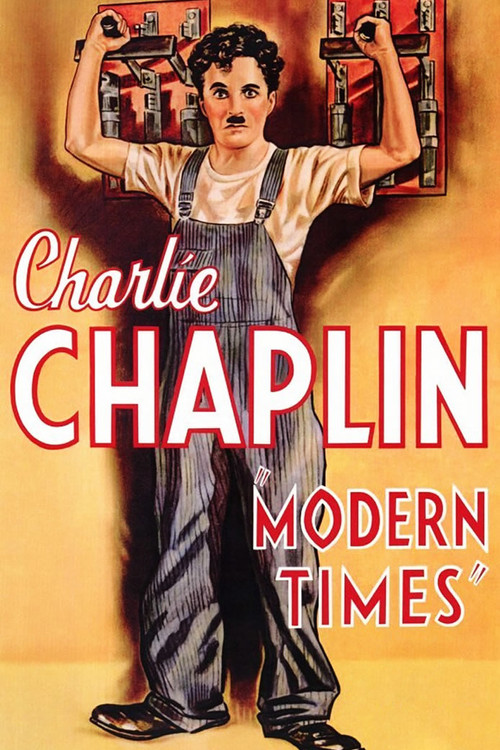
Modern Times - Review
A Timeless Commentary: A Review of Charlie Chaplin's "Modern Times"
Charlie Chaplin's Modern Times, released in 1936, isn't just a film; it's a cultural artifact, a poignant snapshot of an era grappling with industrialization, economic hardship, and the dehumanizing effects of mass production. More than eight decades later, its humor remains sharp, its social commentary relevant, and its central character, the Tramp, an enduring symbol of resilience in the face of overwhelming odds. This review delves into the film's enduring appeal, dissecting its plot, characters, direction, and themes, while also offering a critical perspective on its strengths and weaknesses.
Plot: A Struggle for Survival in the Machine Age
The film opens with a stark visual metaphor: a flock of sheep being herded, immediately followed by a shot of factory workers streaming into their workplace. This sets the stage for the Tramp's (Chaplin) Sisyphean struggle against the relentless machinery and the suffocating demands of the assembly line. He's a cog in a machine he doesn't understand, and his attempts to keep up result in comical chaos. He's subjected to a feeding machine designed to eliminate lunch breaks, experiences a nervous breakdown due to the repetitive strain, and ultimately sabotages the entire production line.
After being fired and mistakenly arrested as a communist agitator, the Tramp finds himself in a series of unlikely situations. He inadvertently foils a prison break, earning him preferential treatment and a taste of bourgeois comfort, which he quickly loses upon his release. He then encounters a Gamin (Paulette Goddard), a young, orphaned girl struggling to survive by stealing. Together, they form an unlikely partnership, dreaming of a life of domestic bliss and economic security. They try their hand at various jobs, including working as a waiter and a mechanic, but their efforts are constantly undermined by their lack of experience and the ever-present societal forces working against them.
The plot unfolds as a series of vignettes, each highlighting a different aspect of the challenges faced by the working class during the Great Depression. The Tramp and the Gamin's resilience and their unwavering hope for a better future provide a powerful counterpoint to the bleak realities they encounter.
Characters: The Tramp and the Gamin - Enduring Symbols of Hope
The Tramp: Chaplin's Tramp is an icon, a universal symbol of the underdog. He's kind-hearted, resourceful, and possesses an indomitable spirit. Despite facing constant setbacks and humiliation, he never loses his sense of humor or his compassion for others. His movements are often exaggerated and comical, but they also reveal a deep understanding of human vulnerability. In Modern Times, the Tramp is not just a comedic figure; he's a symbol of the human spirit's ability to endure even the most dehumanizing conditions.
The Gamin: Paulette Goddard's Gamin is equally compelling. She's street-smart, independent, and fiercely protective of herself and the Tramp. She embodies the resilience of the younger generation, forced to grow up quickly in a harsh world. Her character provides a strong female presence, challenging the traditional gender roles of the time. The Gamin is not a damsel in distress; she's an active participant in their struggle for survival, often taking the lead and demonstrating remarkable resourcefulness.
Supporting Characters: The supporting characters, while often caricatures, effectively represent the various forces at play in the film. The factory bosses embody the ruthlessness of industrial capitalism, the police officers represent the oppressive power of the state, and the fellow workers depict the camaraderie and solidarity that can emerge in the face of adversity. Even the brief appearances of characters like the prison warden and the café manager contribute to the film's overall message.
Direction: Chaplin's Masterful Control
Chaplin's direction in Modern Times is nothing short of masterful. He seamlessly blends slapstick comedy with poignant social commentary, creating a film that is both entertaining and thought-provoking. His use of visual gags is inventive and perfectly timed, and his control over the film's pacing is impeccable. He understands the power of silence, using it to amplify the emotional impact of certain scenes.
One of the most striking aspects of Chaplin's direction is his use of camera angles and framing. He often uses wide shots to emphasize the Tramp's isolation within the vast industrial landscape, and close-ups to capture his nuanced expressions and emotions. He also employs creative camera movements to enhance the comedic effect of certain scenes, such as the Tramp's chaotic dance with the machinery.
Chaplin's decision to incorporate limited sound into the film, primarily through music and sound effects, was a bold one, especially considering that talkies had already become the norm. This choice allowed him to maintain the Tramp's iconic silent persona while still engaging with the evolving cinematic landscape. The use of sound also serves to highlight the dehumanizing cacophony of the modern world, contrasting sharply with the Tramp's moments of quiet reflection.
Cinematography: Visual Storytelling at its Finest
The cinematography of Modern Times, primarily handled by Roland Totheroh and Ira H. Morgan, is crucial to the film's success. The black and white imagery contributes to the film's timeless quality and enhances its stark portrayal of the Great Depression. The use of light and shadow is particularly effective in creating a sense of atmosphere and mood. The factory scenes are often bathed in harsh, artificial light, while the outdoor scenes are more softly lit, creating a visual contrast between the oppressive industrial world and the natural world.
The film's visual language is rich with symbolism. The recurring image of the machine represents the dehumanizing force of industrialization, while the open road symbolizes freedom and the possibility of a better future. The use of close-ups on the Tramp's face allows the audience to connect with his emotions on a deeply personal level, even without dialogue.
The cinematography also plays a key role in enhancing the film's comedic elements. The exaggerated movements of the Tramp are often amplified by the camera angles and framing, creating a visually dynamic and humorous effect.
Performances: Chaplin and Goddard Shine
Chaplin's performance as the Tramp is, of course, the centerpiece of the film. He embodies the character with such grace, humor, and pathos that it's impossible to imagine anyone else in the role. His physical comedy is impeccable, but it's his ability to convey deep emotions through his expressions and gestures that truly sets him apart.
Paulette Goddard's performance as the Gamin is equally impressive. She brings a sense of energy, wit, and resilience to the role, making her a perfect foil for the Tramp. Their on-screen chemistry is palpable, and their scenes together are among the most memorable in the film.
The supporting cast also delivers strong performances, contributing to the film's overall sense of realism and authenticity. The actors who play the factory bosses, police officers, and fellow workers all effectively embody their respective roles, creating a vivid and believable depiction of the world in which the Tramp and the Gamin struggle to survive.
Themes and Messages: A Critique of Modernity
Modern Times is a powerful critique of the dehumanizing effects of industrialization and mass production. The film highlights the exploitation of the working class, the alienation of individuals from their labor, and the oppressive power of the state. It also explores themes of poverty, unemployment, and the struggle for survival in a society that seems indifferent to the plight of its most vulnerable citizens.
However, Modern Times is not simply a bleak and pessimistic film. It also offers a message of hope and resilience. The Tramp and the Gamin's unwavering optimism and their commitment to each other provide a powerful counterpoint to the harsh realities they face. The film suggests that even in the face of overwhelming odds, the human spirit can endure, and that hope for a better future is always possible.
The film also touches upon the importance of human connection and solidarity. The Tramp and the Gamin's relationship is a testament to the power of love and companionship in a world that often seems cold and impersonal. The film also highlights the importance of standing up for what is right, even in the face of adversity.
Comparison to Other Films and Works
Modern Times can be compared to other films that explore similar themes of industrialization and social inequality, such as Fritz Lang's Metropolis (1927) and René Clair's À nous la liberté (1931). However, Chaplin's film stands apart due to its unique blend of comedy and social commentary, as well as its focus on the individual human experience.
Within Chaplin's own filmography, Modern Times can be seen as a culmination of his earlier work. The Tramp character had appeared in numerous Chaplin films before, but Modern Times is arguably his most fully realized and complex portrayal. The film also builds upon the themes and messages of Chaplin's earlier films, such as The Kid (1921) and The Gold Rush (1925), while also pushing the boundaries of his comedic style.
The film's influence can be seen in numerous subsequent works, including films like Terry Gilliam's Brazil (1985) and Jean-Pierre Jeunet's Delicatessen (1991), which both explore themes of technological dystopia and the dehumanizing effects of bureaucracy.
Positive Aspects
- Timeless Themes: The film's themes of industrialization, social inequality, and the struggle for survival remain relevant today.
- Iconic Characters: The Tramp and the Gamin are enduring symbols of hope and resilience.
- Masterful Direction: Chaplin's direction is inventive, perfectly timed, and deeply moving.
- Excellent Performances: Chaplin and Goddard deliver unforgettable performances.
- Visual Storytelling: The cinematography is rich with symbolism and contributes to the film's overall impact.
- Blending of Comedy and Drama: The film seamlessly blends slapstick comedy with poignant social commentary.
Constructive Criticism
- Pacing: While generally well-paced, some of the vignettes in the middle of the film could be considered slightly repetitive.
- Simplistic Portrayal of Authority: The depiction of authority figures (factory bosses, police) can sometimes feel overly simplistic and cartoonish. While this serves a comedic purpose, it can detract from the film's overall social commentary.
- Ending: While the ending is iconic and hopeful, some viewers might find it slightly ambiguous and unsatisfying. The Tramp and the Gamin's future remains uncertain, leaving the audience to wonder if their optimism is ultimately justified.
Conclusion
Modern Times is a cinematic masterpiece that continues to resonate with audiences decades after its release. Its enduring appeal lies in its timeless themes, iconic characters, masterful direction, and excellent performances. While the film has a few minor flaws, its strengths far outweigh its weaknesses. It's a film that makes you laugh, think, and feel, and it's a testament to the power of cinema to both entertain and inspire.
Modern Times is a must-see for any film enthusiast and a powerful reminder of the importance of human connection and resilience in the face of adversity. It's a film that deserves to be celebrated and studied for generations to come.