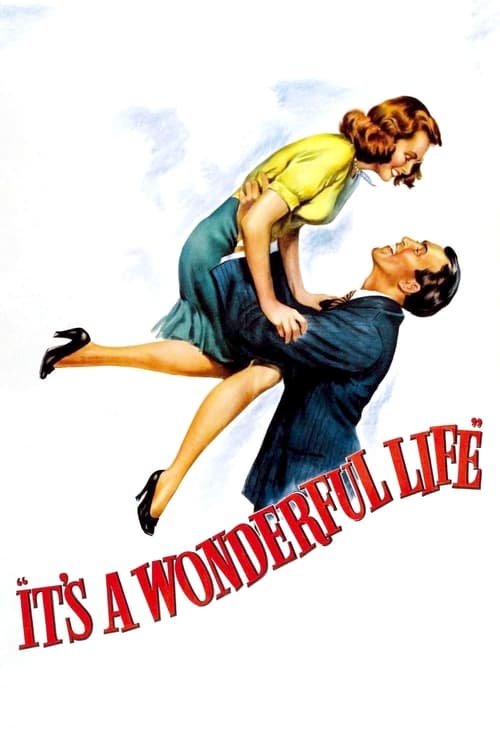
It's a Wonderful Life - Review
A Timeless Treasure: Deconstructing the Enduring Magic of "It's a Wonderful Life"
For many, the holiday season isn't complete without a viewing of Frank Capra's "It's a Wonderful Life." More than just a Christmas movie, it's a poignant exploration of life's inherent value, the ripple effect of our actions, and the enduring power of human connection. Released in 1946, this heartwarming tale has transcended generations, captivating audiences with its simple yet profound message. But beyond the feel-good sentiment, lies a carefully crafted cinematic masterpiece, ripe for analysis and appreciation. This review delves deep into the film's narrative, characters, technical aspects, and lasting impact, offering both praise and critique to understand why "It's a Wonderful Life" continues to resonate so strongly.
Plot Summary: A Life Examined
The story centers on George Bailey (James Stewart), a selfless man who has consistently sacrificed his personal ambitions for the betterment of his community, Bedford Falls. From foregoing college to keep his family's Building and Loan afloat to preventing the avaricious Mr. Potter (Lionel Barrymore) from monopolizing the town, George's life has been one of unwavering dedication to others. However, on Christmas Eve, disaster strikes. George's Uncle Billy (Thomas Mitchell) misplaces $8,000, a sum crucial to the Building and Loan's solvency. Facing financial ruin and the potential collapse of his life's work, George contemplates suicide, believing his family and the town would be better off without him.
Enter Clarence Odbody (Henry Travers), an angel second class, tasked with preventing George from taking his own life. To achieve this, Clarence shows George what Bedford Falls would have been like had he never been born. This alternate reality, a bleak and desolate Pottersville, reveals the devastating impact of George's absence. Seeing the suffering and decay he inadvertently prevented, George realizes the true value of his life and the profound influence he has had on those around him. He returns to his timeline, embracing his responsibilities and finding solace in the overwhelming support of his community.
Character Analysis: The Heart and Soul of Bedford Falls
The characters in "It's a Wonderful Life" are not mere plot devices; they are fully realized individuals with their own dreams, flaws, and complexities.
George Bailey: The Reluctant Hero
George is the quintessential everyman, a relatable figure whose struggles and aspirations mirror those of the audience. He dreams of traveling the world and becoming an architect, but circumstances constantly conspire to keep him rooted in Bedford Falls. James Stewart delivers a masterful performance, capturing George's innate goodness, his simmering frustration, and his eventual despair with remarkable authenticity. His transformation from a man on the brink of suicide to one filled with renewed purpose is the emotional core of the film.
Mr. Potter: The Embodiment of Greed
Lionel Barrymore's portrayal of Mr. Potter is iconic. Potter represents the antithesis of George's altruism, embodying unchecked greed and a ruthless disregard for the well-being of others. He is not simply a villain; he is a powerful force that threatens to corrupt the very fabric of Bedford Falls. Barrymore's performance is chilling, making Potter a truly formidable antagonist.
Mary Hatch Bailey: The Strength and Steadfastness
Donna Reed as Mary Hatch Bailey provides a counterpoint to George's often-volatile nature. Mary is intelligent, resourceful, and deeply devoted to George and their family. She is the anchor that grounds him, offering unwavering support and reminding him of the simple joys in life. Her quiet strength and unwavering faith in George are essential to his redemption.
Clarence Odbody: The Inept Angel with a Heart of Gold
Henry Travers' Clarence is a lovable and somewhat bumbling angel, eager to earn his wings. He serves as a guide for George, showing him the consequences of his non-existence. Clarence's earnestness and genuine concern for George make him a sympathetic and endearing character. He is a reminder that even the smallest acts of kindness can have a significant impact.
Direction and Cinematography: Crafting a Timeless Look
Frank Capra's direction is masterful in its simplicity and emotional resonance. He skillfully balances the lighthearted moments with the darker themes of despair and regret. Capra's ability to create a believable and relatable world, populated by flawed but ultimately good-hearted characters, is a key factor in the film's enduring appeal. He uses close-ups effectively to capture the characters' emotions, drawing the audience into their inner struggles.
The cinematography, primarily in black and white, contributes to the film's timeless quality. The use of light and shadow is particularly effective in creating a sense of atmosphere, especially in the scenes depicting Pottersville. The camera work is generally unobtrusive, allowing the story and the performances to take center stage. However, Capra occasionally employs more dynamic shots, such as the swirling camera during George's emotional breakdown, to heighten the dramatic impact.
Performances: A Cast of Legends
The performances in "It's a Wonderful Life" are universally excellent. James Stewart's portrayal of George Bailey is arguably the finest of his career. He seamlessly transitions from the youthful idealism of his early scenes to the crushing despair of his darkest moments, ultimately conveying a sense of profound gratitude and renewed hope. Donna Reed is equally impressive as Mary, providing a quiet strength and unwavering love that anchors George. Lionel Barrymore's villainous Mr. Potter is a memorable antagonist, and Henry Travers' Clarence is a charming and endearing angel. The supporting cast, including Thomas Mitchell as Uncle Billy and Beulah Bondi as Ma Bailey, is equally strong, creating a vibrant and believable community.
Themes and Messages: The Enduring Power of Human Connection
"It's a Wonderful Life" explores several profound themes that continue to resonate with audiences today:
The Value of Life:
The film's central message is a powerful affirmation of the inherent worth of every human life. It reminds us that even when we feel insignificant or overwhelmed, our actions have a ripple effect, impacting the lives of those around us in ways we may never fully realize. George's journey of self-discovery underscores the importance of appreciating the blessings we have and recognizing the value of our existence.
The Importance of Community:
Bedford Falls represents the ideal of a close-knit community where people support and care for one another. The film emphasizes the importance of social responsibility and the power of collective action. When George faces financial ruin, his community rallies around him, demonstrating the strength and resilience that can be found in human connection.
Altruism vs. Greed:
The conflict between George and Mr. Potter embodies the timeless struggle between altruism and greed. George's selfless dedication to his community stands in stark contrast to Potter's relentless pursuit of wealth and power. The film ultimately champions the values of compassion, generosity, and social responsibility over self-interest and avarice.
Second Chances:
The film offers a message of hope and redemption, suggesting that even when we make mistakes or face seemingly insurmountable challenges, we can always find a way to turn things around. George's journey is a testament to the power of resilience and the possibility of finding meaning and purpose even in the darkest of times.
Comparisons to Other Films and Works
"It's a Wonderful Life" shares thematic similarities with Charles Dickens' "A Christmas Carol," both stories exploring the protagonist's journey of self-discovery through a supernatural intervention. However, "It's a Wonderful Life" focuses more on the positive impact of the protagonist's life, whereas "A Christmas Carol" emphasizes the consequences of selfishness and greed.
Capra's earlier film, "Mr. Smith Goes to Washington" (1939), also shares similar themes of idealism and the struggle against corruption. Both films feature protagonists who are ordinary individuals thrust into extraordinary circumstances, fighting to uphold their values in the face of powerful opposition. James Stewart stars in both films, further solidifying the connection between these two classic works. Furthermore, Capra's tendency to champion the common man against corrupt systems is a recurring motif throughout his filmography.
Positive Aspects: A Masterpiece of Storytelling
"It's a Wonderful Life" excels on multiple levels. The storytelling is masterful, seamlessly blending elements of drama, comedy, and fantasy. The characters are richly drawn and relatable, and the performances are uniformly excellent. The film's themes are timeless and universal, resonating with audiences of all ages and backgrounds. The emotional impact of the film is undeniable, leaving viewers with a sense of hope and a renewed appreciation for the value of life. The film's ending, with the community rallying to support George, is one of the most heartwarming and uplifting scenes in cinematic history.
Constructive Criticism: Minor Imperfections in a Gem
While "It's a Wonderful Life" is widely regarded as a classic, it is not without its minor flaws. Some critics argue that the film is overly sentimental and that its portrayal of small-town life is somewhat idealized. The character of Mr. Potter, while effectively villainous, can be seen as somewhat one-dimensional. Additionally, the film's pacing can feel slightly uneven at times, with the first half moving more slowly than the second. Finally, some may find Clarence's character a little too simplistic or naive. However, these minor imperfections are easily overshadowed by the film's overall strengths and its enduring emotional impact.
Conclusion: A Timeless Classic That Continues to Inspire
"It's a Wonderful Life" is more than just a Christmas movie; it's a powerful and moving testament to the value of human life and the importance of community. Frank Capra's masterful direction, coupled with James Stewart's unforgettable performance, creates a cinematic experience that is both heartwarming and thought-provoking. While the film may have its minor flaws, its enduring themes, memorable characters, and emotional resonance make it a true classic that continues to inspire and uplift audiences of all ages. It's a film that reminds us to appreciate the simple joys in life and to recognize the profound impact we have on those around us. "It's a Wonderful Life" is a must-see for anyone who believes in the power of human connection and the importance of living a life of purpose and meaning.