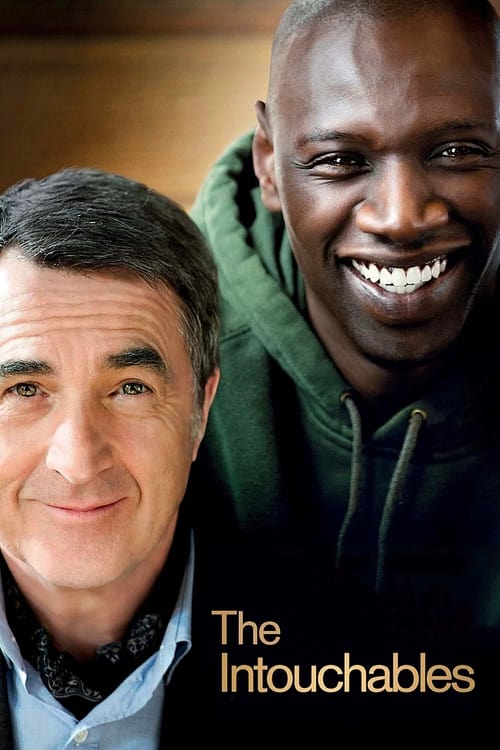
The Intouchables - Review
The Unlikely Symphony of Life: A Review of "The Intouchables"
The Intouchables, released in 2011, isn't just a feel-good movie; it's a cinematic exploration of humanity, friendship, and the unexpected beauty found in the most unlikely of connections. Based on the true story of Philippe Pozzo di Borgo, a wealthy quadriplegic, and Abdel Sellou, a Senegalese immigrant from the projects, the film transcends cultural and social barriers to deliver a powerful message about the importance of human connection and the transformative power of genuine care. From its sharp wit to its poignant moments, The Intouchables resonates long after the credits roll, prompting reflection on our own prejudices and the potential for joy that exists even in the face of profound adversity. But does this heartwarming tale truly deserve the acclaim it received? Let's delve deeper into the film's strengths and weaknesses.
Plot: A Collision of Worlds
The plot of The Intouchables is deceptively simple. Philippe, a sophisticated and cultured aristocrat, is rendered quadriplegic after a paragliding accident. He requires constant care, and the film opens with a chaotic, yet humorous, interview process for potential caregivers. Enter Driss, a street-smart ex-convict who isn't really looking for a job; he just needs a signature to continue receiving unemployment benefits. Philippe, drawn to Driss's honesty, irreverence, and complete lack of pity, hires him despite the objections of his meticulous assistant, Yvonne.
What follows is a fascinating and often hilarious culture clash. Driss's initial lack of experience leads to comical mishaps, but he quickly learns to adapt, bringing a fresh perspective and a much-needed dose of life back into Philippe's sterile and emotionally stifled world. He introduces Philippe to Earth, Wind & Fire, challenges his taste in classical music, and encourages him to pursue his romantic interests. Philippe, in turn, exposes Driss to art, classical music, and a world beyond the confines of the projects. Their relationship evolves from employer-employee to genuine friendship, built on mutual respect, understanding, and a shared appreciation for life's absurdities.
The film doesn't shy away from the realities of Philippe's condition, showcasing the daily challenges and emotional toll it takes on him. However, it avoids becoming overly sentimental, instead focusing on the positive impact Driss has on Philippe's overall well-being. The narrative arc is predictable in some ways, but the charm lies in the execution and the authentic portrayal of the characters' evolving relationship. The subplot involving Philippe's online relationship provides a glimpse into his vulnerability and longing for connection beyond his physical limitations. While the ending feels somewhat abrupt, it remains true to the real-life story and leaves the audience with a sense of hope and optimism.
Characters: A Study in Contrasts
The success of The Intouchables hinges on the strength of its two central characters. Philippe, played with nuanced vulnerability by François Cluzet, is a man of immense wealth and culture, but also deep sorrow and loneliness. Cluzet masterfully portrays the character's intelligence, wit, and underlying pain. He never allows Philippe to become a caricature of a disabled person; instead, he presents him as a complex individual with desires, fears, and a profound appreciation for life.
Omar Sy, as Driss, delivers a star-making performance. He embodies the character's energy, humor, and street smarts with effortless charm. Driss is not simply a comedic foil; he is a complex character with his own struggles and vulnerabilities. Sy's portrayal highlights Driss's genuine compassion and his ability to see beyond Philippe's disability. He treats Philippe like a normal person, challenging him, teasing him, and ultimately, helping him to rediscover his zest for life.
The supporting characters, while not as developed as Philippe and Driss, contribute to the overall narrative. Anne Le Ny as Yvonne, Philippe's loyal assistant, provides a voice of reason and a subtle comedic presence. Audrey Fleurot as Magalie, the object of Driss's affection, adds a touch of romance to the story. Clotilde Mollet as Marcelle, the housekeeper, offers a glimpse into the lives of those who serve the wealthy. However, some critics have argued that the supporting characters are somewhat underdeveloped and serve primarily to highlight the relationship between Philippe and Driss.
Direction: A Delicate Balance
Olivier Nakache and Éric Toledano, the directing duo behind The Intouchables, skillfully navigate the delicate balance between comedy and drama. They avoid overly sentimental or exploitative portrayals of disability, instead focusing on the genuine human connection between the two protagonists. The film's pacing is brisk and engaging, seamlessly blending moments of humor with scenes of profound emotional depth.
Nakache and Toledano's direction is characterized by a light touch, allowing the actors to shine and the story to unfold naturally. They employ a variety of cinematic techniques to enhance the narrative, including montages, close-ups, and dynamic camera movements. The soundtrack, featuring a mix of classical music and contemporary R&B, perfectly complements the film's tone and adds to its emotional impact. While the direction is generally competent and effective, some critics have suggested that it lacks a distinct visual style and relies too heavily on conventional storytelling techniques.
Cinematography: Capturing the Essence of Paris
The cinematography of The Intouchables, helmed by Mathieu Vadepied, is visually appealing and effectively captures the beauty of Paris. The film showcases the city's iconic landmarks, from the Eiffel Tower to the Louvre Museum, as well as the vibrant atmosphere of the Parisian suburbs. Vadepied's use of natural light creates a warm and inviting atmosphere, while his framing and composition enhance the emotional impact of key scenes.
The film's visual style is generally unobtrusive, serving to support the narrative rather than distract from it. However, there are moments of visual flair, such as the paragliding sequence, which is beautifully shot and conveys a sense of freedom and exhilaration. The contrast between the opulent interiors of Philippe's mansion and the gritty streets of Driss's neighborhood is effectively conveyed through the cinematography, highlighting the stark social and economic disparities that exist within Parisian society. While the cinematography is not groundbreaking, it is well-executed and contributes to the overall aesthetic appeal of the film.
Performances: A Masterclass in Chemistry
The performances in The Intouchables are nothing short of exceptional. François Cluzet delivers a tour-de-force performance as Philippe, conveying the character's vulnerability, intelligence, and wit with remarkable subtlety. He avoids the trap of portraying Philippe as a victim, instead presenting him as a complex and resilient individual who refuses to be defined by his disability. Cluzet's performance is both heartbreaking and inspiring, and he earned widespread critical acclaim for his portrayal.
Omar Sy is equally impressive as Driss, bringing infectious energy, humor, and warmth to the role. He effortlessly embodies the character's street smarts and his genuine compassion for Philippe. Sy's performance is both funny and moving, and he earned the César Award for Best Actor for his portrayal.
The chemistry between Cluzet and Sy is palpable, and their on-screen connection is the heart and soul of the film. They create a believable and engaging friendship that transcends cultural and social barriers. Their performances are so natural and authentic that it's easy to forget that they are actors playing roles. The supporting cast also delivers solid performances, but it is the dynamic between Cluzet and Sy that truly elevates The Intouchables to a higher level.
Themes and Messages: Beyond the Laughter
The Intouchables explores a variety of important themes, including friendship, disability, social class, and the transformative power of human connection. The film challenges our preconceived notions about disability and social class, demonstrating that true friendship can blossom in the most unexpected of circumstances. It highlights the importance of treating everyone with respect and dignity, regardless of their background or physical condition.
The film also explores the theme of personal growth. Both Philippe and Driss undergo significant transformations throughout the course of the story. Philippe learns to embrace life again and to overcome his self-pity, while Driss discovers his potential and finds a sense of purpose. Their relationship is mutually beneficial, with each character helping the other to grow and evolve.
Ultimately, The Intouchables is a celebration of life and the human spirit. It reminds us that even in the face of adversity, there is always hope for joy, connection, and personal fulfillment. The film's message is universal and resonates with audiences around the world.
Comparison to Similar Films
The Intouchables has been compared to other films that explore themes of disability and unlikely friendships, such as Driving Miss Daisy and Scent of a Woman. Like those films, The Intouchables features a protagonist with a disability who forms a close bond with their caregiver. However, The Intouchables distinguishes itself through its focus on cultural differences and its more comedic tone.
Some critics have also compared The Intouchables to previous works by Nakache and Toledano, such as Tellement Proches and Nos Jours Heureux. Like those films, The Intouchables features a strong ensemble cast and a focus on human relationships. However, The Intouchables is arguably their most successful and critically acclaimed film to date. The film's universal themes and heartwarming story have resonated with audiences in a way that their previous works have not.
Positive Aspects
The Intouchables boasts numerous positive aspects. The performances of François Cluzet and Omar Sy are exceptional, and their on-screen chemistry is undeniable. The film's script is witty and engaging, seamlessly blending moments of humor with scenes of profound emotional depth. The direction is competent and effective, allowing the actors to shine and the story to unfold naturally. The cinematography is visually appealing and effectively captures the beauty of Paris. The film's themes are universal and resonate with audiences around the world. Perhaps most importantly, it humanizes disability and celebrates the power of genuine human connection.
Constructive Criticism
Despite its many strengths, The Intouchables is not without its flaws. Some critics have argued that the supporting characters are underdeveloped and serve primarily to highlight the relationship between Philippe and Driss. Others have suggested that the direction lacks a distinct visual style and relies too heavily on conventional storytelling techniques. The ending, while satisfying, feels somewhat abrupt.
Furthermore, the film has faced criticism for its depiction of race and class. Some critics have argued that the film reinforces stereotypes about black men and perpetuates the "magical negro" trope. While Driss is a complex character with his own struggles and vulnerabilities, his primary function in the film is to help Philippe overcome his disability and rediscover his zest for life. This has led some to question whether the film ultimately centers the white character's experience at the expense of the black character's. While I don't believe the film is overtly racist, these are valid criticisms that should be considered.
Conclusion
The Intouchables is a heartwarming and entertaining film that explores the power of human connection in the face of adversity. While it may not be a perfect film, its strengths far outweigh its weaknesses. The performances of François Cluzet and Omar Sy are exceptional, and their on-screen chemistry is undeniable. The film's script is witty and engaging, and its themes are universal and resonate with audiences around the world. Despite some criticisms regarding its depiction of race and class, The Intouchables remains a valuable and important film that challenges our preconceived notions about disability and celebrates the human spirit. It's a film that will make you laugh, cry, and ultimately, believe in the power of friendship.