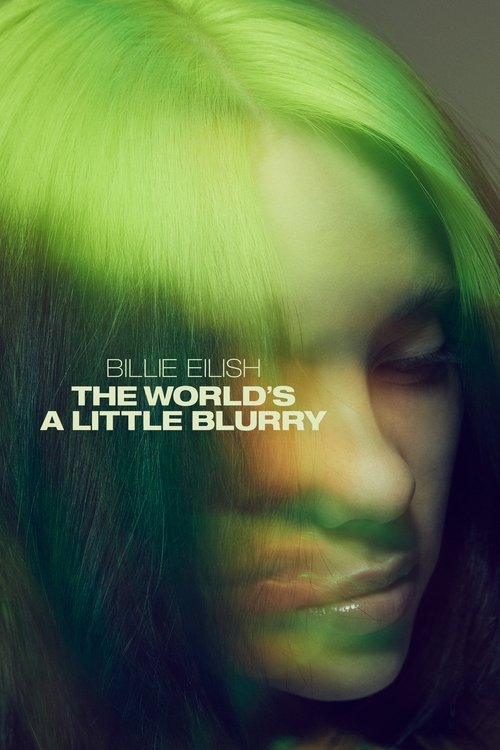
Billie Eilish: The World's a Little Blurry - Review
Billie Eilish: The World's a Little Blurry - A Deep Dive Review
In a world saturated with manufactured pop stars and meticulously crafted public images, R.J. Cutler's "Billie Eilish: The World's a Little Blurry" arrives as a refreshing and disarmingly honest portrait of a young artist on the cusp of global superstardom. More than just a concert film or a behind-the-scenes glimpse, this documentary offers an unprecedented level of access to Billie Eilish, revealing her vulnerabilities, anxieties, and unwavering dedication to her craft. But does the film succeed in its ambitious goal of capturing the essence of this enigmatic artist, or does it ultimately fall victim to the pitfalls of the celebrity documentary genre? Let's delve into the blurry world of Billie Eilish and find out.
Plot and Structure: A Coming-of-Age Story Set to a Soundtrack
The film's plot, if one can call it that, isn't driven by a singular narrative arc but rather by the chronological unfolding of Billie Eilish's life between 2018 and 2020. We witness her at 16, still navigating the complexities of high school, getting her driver's license (or attempting to), and grappling with the pressures of creating her debut album, "When We All Fall Asleep, Where Do We Go?". The documentary seamlessly blends intimate home footage with concert performances, recording sessions, and press appearances, offering a multifaceted perspective on her life. The structure is deliberately loose, mirroring the chaotic energy of adolescence and the unpredictable nature of the music industry. We see moments of triumph, like the release of "bury a friend" and the overwhelming response from fans, juxtaposed with scenes of crippling self-doubt and the physical toll of touring. The film culminates with the album's release and its subsequent Grammy success, but even these victories are tinged with a sense of melancholic reflection, highlighting the bittersweet nature of fame and the challenges of maintaining authenticity in a world that constantly demands more.
Characters: The Eilish Family and Their Unwavering Support
While Billie Eilish is undoubtedly the central figure, "The World's a Little Blurry" also shines a spotlight on her family, particularly her parents, Maggie Baird and Patrick O'Connell, and her brother, Finneas O'Connell. They are not merely background players but integral components of Billie's creative process and emotional support system. Finneas, in particular, emerges as a crucial collaborator, co-writing and producing Billie's music while also serving as her confidant and protector. Their sibling dynamic is a highlight of the film, showcasing a deep bond built on mutual respect and a shared passion for music. Maggie and Patrick are portrayed as incredibly supportive parents, allowing Billie the freedom to express herself creatively while also providing guidance and stability. They are present at every step of her journey, offering encouragement, managing her schedule, and ensuring her well-being. The film subtly suggests that Billie's success is not solely due to her talent but also to the unwavering support of her family, who have created a nurturing environment that allows her to thrive. We also see glimpses of Billie's relationships with her friends and her brief romance with rapper Q, providing further insight into her personal life and the challenges of maintaining normalcy amidst extraordinary circumstances.
Direction and Cinematography: Intimacy and Authenticity
R.J. Cutler's direction is characterized by a commitment to intimacy and authenticity. He avoids the flashy editing and sensationalistic storytelling that often plague celebrity documentaries, opting instead for a more observational approach. The camera lingers on Billie's face, capturing her raw emotions and unfiltered reactions. The film relies heavily on home footage and behind-the-scenes clips, creating a sense of immediacy and allowing viewers to feel like they are truly present in Billie's world. The cinematography is deliberately unpolished, reflecting the DIY aesthetic of Billie's music and her rejection of traditional pop star tropes. There are no glamorous red-carpet shots or meticulously staged photo ops. Instead, we see Billie in her natural habitat: at home with her family, in the recording studio with Finneas, and on stage performing for her devoted fans. The film's visual style is a deliberate choice, reinforcing the message that Billie Eilish is not a manufactured product but a genuine artist with a unique vision.
Performances: Raw Emotion and Unfiltered Vulnerability
The "performance" in this documentary isn't confined to Billie Eilish's stage presence but extends to her entire persona. She allows herself to be vulnerable and authentic, sharing her struggles with anxiety, depression, and Tourette's syndrome. There are moments of genuine emotional rawness, such as when she breaks down in tears after a particularly challenging performance or when she expresses her self-doubt about her music. These moments are not exploitative but rather serve to humanize Billie and make her relatable to viewers. Her stage performances are also captured with a raw energy, showcasing her unique vocal style and her captivating stage presence. The film doesn't shy away from showing her imperfections, highlighting the fact that she is still a teenager learning and growing. This vulnerability is what makes Billie Eilish so compelling and what sets her apart from other pop stars. Finneas also delivers a strong "performance" as Billie's collaborator and confidant, showcasing his musical talent and his unwavering support for his sister. The parents, Maggie and Patrick, while not "performing" in the traditional sense, provide a constant source of warmth and stability, creating a sense of family that is both heartwarming and inspiring.
Themes and Messages: Fame, Mental Health, and Authenticity
"Billie Eilish: The World's a Little Blurry" explores a range of complex themes, including the pressures of fame, the importance of mental health, and the struggle to maintain authenticity in a world obsessed with image. The film highlights the isolating effects of fame, showing how Billie's life has been transformed by her success and how she struggles to maintain a sense of normalcy. It also addresses the challenges of navigating the music industry as a young woman, particularly the pressure to conform to certain expectations and the constant scrutiny of the media. The film is remarkably candid about Billie's struggles with mental health, including her anxiety and depression. It doesn't shy away from showing her vulnerable moments, and it emphasizes the importance of seeking help and support. By being so open about her own struggles, Billie Eilish is helping to destigmatize mental illness and encourage others to seek help. The film also celebrates the importance of authenticity, showcasing Billie's unwavering commitment to being herself and her refusal to compromise her artistic vision. She is a role model for young people who feel pressured to conform to societal expectations, demonstrating that it is possible to be successful while staying true to oneself.
Comparison to Other Films and Works
Compared to other music documentaries, "Billie Eilish: The World's a Little Blurry" stands out for its unprecedented level of access and its focus on the artist's personal life. While films like "Justin Bieber: Never Say Never" and "Katy Perry: Part of Me" offer glimpses behind the scenes, they tend to be more carefully curated and sanitized. "The World's a Little Blurry" feels more raw and unfiltered, allowing viewers to see Billie Eilish in her most vulnerable moments. In terms of R.J. Cutler's previous work, this documentary shares similarities with his earlier films, such as "The September Issue" and "Belushi," in its focus on complex and compelling individuals. However, "The World's a Little Blurry" is arguably his most intimate and emotionally resonant film to date. It avoids the sensationalism and dramatic flair that can sometimes characterize his work, opting instead for a more understated and observational approach. The film also resonates with other coming-of-age stories, such as "Eighth Grade" and "Lady Bird," in its portrayal of the anxieties and insecurities of adolescence. However, "The World's a Little Blurry" adds a unique dimension by exploring these themes within the context of global fame and the pressures of the music industry.
Positive Aspects
The film's greatest strength lies in its intimacy and authenticity. R.J. Cutler has managed to capture a genuine and compelling portrait of Billie Eilish, revealing her vulnerabilities and anxieties while also celebrating her talent and creativity. The film's access is unparalleled, allowing viewers to feel like they are truly present in Billie's world. The family dynamic is also a major highlight, showcasing the unwavering support and love that Billie receives from her parents and brother. The film's exploration of mental health is both timely and important, helping to destigmatize mental illness and encourage others to seek help. The cinematography is deliberately unpolished, reflecting the DIY aesthetic of Billie's music and her rejection of traditional pop star tropes. Finally, the film's pacing is well-balanced, blending intimate home footage with concert performances and recording sessions.
Constructive Criticism
While "Billie Eilish: The World's a Little Blurry" is a compelling and insightful documentary, it is not without its flaws. At nearly two and a half hours, the film can feel a bit long and meandering at times. Some viewers may find the lack of a clear narrative arc frustrating, and the film could have benefited from tighter editing. While the film's focus on Billie's personal life is a strength, it also means that it doesn't delve as deeply into her music as some viewers might have hoped. There is relatively little discussion of her songwriting process or her musical influences. The film also glosses over some aspects of her career, such as her collaboration with Khalid on "lovely," which was a significant turning point in her rise to fame. Finally, while the film is remarkably candid about Billie's struggles with mental health, it doesn't offer much in the way of solutions or resources. It would have been helpful to include information about mental health organizations or strategies for coping with anxiety and depression.
Conclusion
"Billie Eilish: The World's a Little Blurry" is a compelling and insightful documentary that offers an unprecedented level of access to one of the most fascinating artists of our time. While the film is not without its flaws, its strengths far outweigh its weaknesses. It is a must-see for fans of Billie Eilish, as well as anyone interested in the challenges of fame, the importance of mental health, and the power of authenticity. R.J. Cutler has crafted a film that is both intimate and universal, capturing the essence of a young artist on the cusp of global superstardom while also exploring themes that resonate with audiences of all ages. This is not just a music documentary; it's a coming-of-age story set to a soundtrack of infectious melodies and haunting lyrics.
Rating
I give "Billie Eilish: The World's a Little Blurry" a solid 8.5/10.