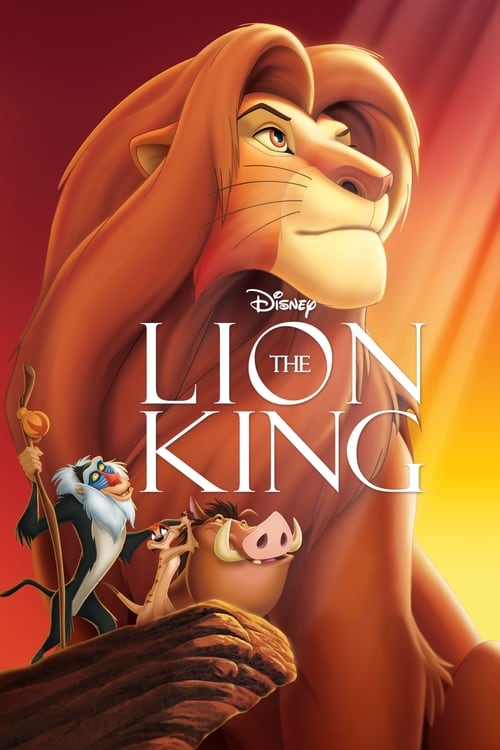
The Lion King - Review
A Roaring Triumph: A Timeless Review of Disney's The Lion King (1994)
The Lion King. Just the title conjures images of vibrant landscapes, soaring melodies, and a story that resonates deep within the human spirit. Released in 1994, this animated masterpiece wasn't just a film; it was a cultural phenomenon, a cinematic experience that redefined animated storytelling and solidified Disney's reign over the animation kingdom. More than two decades later, the film's power remains undiminished, its lessons as relevant as ever, and its artistry as breathtaking as the day it first graced the silver screen. But does this enduring classic truly deserve its legendary status? Let's delve into the heart of the Pride Lands and explore the magic, the flaws, and the lasting legacy of The Lion King.
Plot: A Shakespearean Tragedy in the African Savanna
The Lion King's narrative is deceptively simple, drawing heavily from Shakespeare's Hamlet while injecting its own unique African setting and animal characters. We are introduced to Simba, the young and exuberant prince of the Pride Lands, destined to follow in the paw prints of his noble father, Mufasa. However, lurking in the shadows is Scar, Mufasa's envious and power-hungry brother, who plots to usurp the throne. Scar's machinations lead to Mufasa's tragic death, a scene etched forever in the collective memory of a generation. Blaming Simba for the tragedy, Scar manipulates the young prince into exile, leaving him to believe he caused his father's demise.
In exile, Simba encounters the carefree duo of Timon and Pumbaa, who introduce him to their "Hakuna Matata" philosophy – a life free of worries and responsibilities. Simba embraces this carefree existence for a time, burying his past and avoiding his destiny. However, fate intervenes when Nala, Simba's childhood friend, discovers him and implores him to return to the Pride Lands, now ravaged by Scar's tyrannical rule and a dwindling food supply. Simba must then confront his past, embrace his responsibilities, and reclaim his rightful place as king.
The plot is undeniably compelling, expertly paced, and emotionally resonant. The film masterfully blends moments of lighthearted humor with profound tragedy, creating a dynamic and engaging narrative. The use of familiar archetypes, like the hero's journey and the villainous uncle, makes the story accessible and relatable, while the African setting and animal characters add a layer of uniqueness and charm.
Characters: A Cast of Memorable Personalities
The strength of The Lion King lies not only in its plot but also in its richly developed and memorable characters.
- Simba: The protagonist, Simba, is a relatable character, evolving from a carefree cub to a responsible king. His journey of self-discovery, from innocence to guilt to redemption, is the emotional core of the film. We witness his youthful exuberance, his devastating loss, his period of escapism, and finally, his courageous return.
- Mufasa: Mufasa embodies wisdom, strength, and compassion. He is the ideal father figure, guiding Simba with gentle lessons and unwavering love. His death is a pivotal moment, marking the transition from Simba's carefree childhood to the harsh realities of the world.
- Scar: Scar is one of Disney's most iconic villains. His intelligence, cunning, and sardonic wit make him a truly menacing antagonist. His motivations are driven by envy and a thirst for power, and his actions have devastating consequences for the Pride Lands. Jeremy Irons's voice performance is a masterclass in villainy, perfectly capturing Scar's sinister nature.
- Nala: Nala is a strong and independent female character. She represents Simba's connection to his past and his responsibility to his people. Her determination and courage inspire Simba to confront his fears and return to the Pride Lands.
- Timon and Pumbaa: This comedic duo provides much-needed levity to the film. Their "Hakuna Matata" philosophy, while initially serving as an escape for Simba, ultimately teaches him the importance of living in the present. They are loyal friends and provide crucial support to Simba in his final confrontation with Scar.
- Rafiki: The wise and enigmatic mandrill serves as Simba's spiritual guide. He is a source of wisdom and guidance, helping Simba connect with his past and understand his destiny.
Each character is distinct and contributes to the overall narrative. Their interactions are believable and emotionally engaging, making them resonate with audiences of all ages.
Direction: A Harmonious Blend of Art and Storytelling
Directed by Roger Allers and Rob Minkoff, The Lion King is a testament to the power of collaborative filmmaking. The directors expertly blend art and storytelling, creating a visually stunning and emotionally compelling experience. They successfully translate the epic scope of the story onto the animated canvas, utilizing a variety of techniques to create a sense of grandeur and intimacy.
The film's pacing is masterful, seamlessly transitioning between moments of action, drama, and humor. The directors effectively use visual storytelling to convey emotions and advance the plot, relying on facial expressions, body language, and symbolic imagery to communicate complex ideas.
Allers and Minkoff also deserve credit for assembling a talented voice cast and allowing them to bring their own interpretations to the characters. The result is a collection of memorable and nuanced performances that elevate the film to another level.
Cinematography: A Visual Feast
The cinematography of The Lion King is nothing short of breathtaking. The film's visual style is heavily influenced by the African landscape, with its vibrant colors, sweeping vistas, and dramatic lighting. The animators meticulously researched the African savanna, capturing the beauty and majesty of the natural world. The use of color is particularly effective, with warm hues representing life and prosperity, and darker tones symbolizing danger and despair.
The film's action sequences are expertly choreographed, with dynamic camera angles and fluid animation creating a sense of excitement and urgency. The "Circle of Life" opening sequence is a visual masterpiece, showcasing the beauty and diversity of the Pride Lands and setting the stage for the epic story to unfold.
The animators also experimented with new techniques, such as using computer-generated imagery to create the stampede sequence. This groundbreaking use of technology added a level of realism and intensity to the scene, making it one of the most memorable moments in the film.
Performances: A Symphony of Voices
The voice performances in The Lion King are exceptional, with each actor perfectly embodying their respective character. Matthew Broderick delivers a nuanced performance as Simba, capturing his youthful exuberance, his inner turmoil, and his eventual triumph. James Earl Jones lends his iconic voice to Mufasa, imbuing the character with wisdom, authority, and warmth. Jeremy Irons is simply brilliant as Scar, delivering a deliciously villainous performance that is both menacing and entertaining. Nathan Lane and Ernie Sabella are hilarious as Timon and Pumbaa, providing much-needed comedic relief. And Whoopi Goldberg, Cheech Marin, and Jim Cummings are equally memorable as Scar's hyena henchmen.
The voice actors not only deliver their lines with precision but also bring their own personalities to the characters, making them feel real and relatable. Their performances are a crucial element of the film's success, adding depth and emotion to the story.
Themes and Messages: Lessons for Life
The Lion King is more than just a children's movie; it is a film with profound themes and messages that resonate with audiences of all ages.
- The Circle of Life: The film emphasizes the interconnectedness of all living things and the importance of maintaining balance in nature. The Circle of Life represents the continuous cycle of birth, death, and renewal, and highlights the responsibility of each generation to care for the environment.
- Responsibility: Simba's journey is ultimately about accepting responsibility for his actions and embracing his destiny. He must overcome his past mistakes and learn to lead his people with wisdom and courage.
- Family and Loyalty: The film celebrates the importance of family and loyalty. Simba's bond with his father, Mufasa, is a central theme, and his friendship with Nala, Timon, and Pumbaa provides him with crucial support.
- Facing Your Past: Simba spends much of the movie running from his past, but he ultimately learns that he must confront his fears and embrace his identity in order to move forward.
- Good vs. Evil: The film presents a clear distinction between good and evil, with Mufasa representing justice and compassion, and Scar embodying envy and greed. The triumph of good over evil is a central message of the film.
These themes are presented in a way that is both accessible and thought-provoking, making The Lion King a film that can be enjoyed and appreciated on multiple levels.
Comparison to Other Films
The Lion King has been compared to a variety of other films, most notably Shakespeare's Hamlet. The similarities between the two stories are undeniable, with both featuring a young prince who must avenge his father's death and reclaim his rightful throne. However, The Lion King also draws inspiration from other sources, such as the biblical story of Moses and the African folktale of Sundiata Keita.
In terms of Disney's own animated films, The Lion King is often compared to Bambi, another coming-of-age story that features the death of a parent. However, The Lion King is arguably more ambitious in its scope and more complex in its themes. It also marked a shift in Disney's animation style, with the film featuring more realistic animal designs and more sophisticated visual effects.
Compared to more recent animated films, The Lion King holds up remarkably well. Its timeless themes, memorable characters, and stunning visuals continue to resonate with audiences. While newer films may boast more advanced animation technology, The Lion King's heart and soul remain unmatched.
Positive Aspects
The Lion King boasts a multitude of positive aspects that contribute to its enduring appeal:
- Compelling Story: The film's narrative is engaging, emotionally resonant, and universally relatable.
- Memorable Characters: The characters are richly developed, distinct, and unforgettable.
- Stunning Visuals: The film's animation is breathtaking, capturing the beauty and majesty of the African savanna.
- Exceptional Voice Performances: The voice actors deliver outstanding performances, bringing depth and emotion to the characters.
- Timeless Themes: The film explores profound themes that resonate with audiences of all ages.
- Iconic Music: The film's soundtrack, composed by Hans Zimmer with songs by Elton John and Tim Rice, is iconic and unforgettable.
Constructive Criticism
While The Lion King is undoubtedly a masterpiece, it is not without its flaws:
- Hyena Depiction: The portrayal of hyenas as villainous and unintelligent has been criticized for perpetuating negative stereotypes. While they serve as effective antagonists in the story, their depiction could be seen as insensitive.
- Simplistic Morality: The film's morality can be seen as somewhat simplistic, with a clear distinction between good and evil. While this makes the story accessible to younger audiences, it may lack nuance for older viewers.
- Timon and Pumbaa's Overreliance on Humor: While Timon and Pumbaa provide much-needed comedic relief, their humor can sometimes feel forced or out of place, particularly during moments of emotional intensity.
These criticisms are relatively minor and do not significantly detract from the overall quality of the film. However, they are worth considering when evaluating The Lion King's place in cinematic history.
Conclusion
The Lion King is more than just an animated film; it is a cultural phenomenon, a cinematic masterpiece that continues to captivate audiences decades after its release. Its compelling story, memorable characters, stunning visuals, and timeless themes make it a film that can be enjoyed and appreciated on multiple levels. While it is not without its flaws, its strengths far outweigh its weaknesses. The Lion King is a testament to the power of animation and the enduring appeal of classic storytelling. It is a film that will continue to be watched and cherished for generations to come.
Rating: 9.5/10