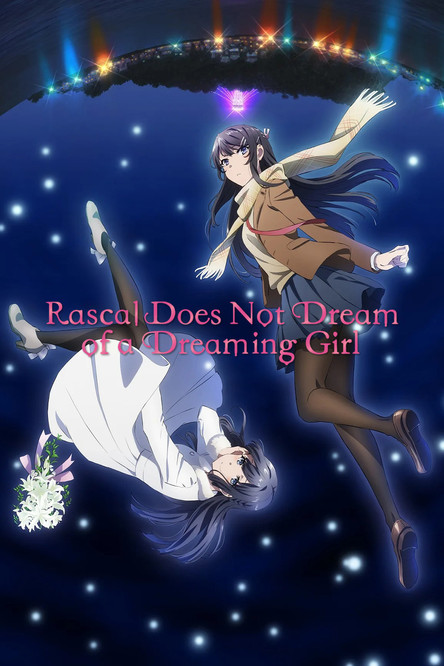
Rascal Does Not Dream of a Dreaming Girl - Review
Rascal Does Not Dream of a Dreaming Girl: A Dream Worth Remembering
Imagine a world where adolescent anxieties manifest as tangible, supernatural phenomena. Where the weight of societal pressure and personal trauma literally warps reality. This is the world of "Rascal Does Not Dream," and "Rascal Does Not Dream of a Dreaming Girl" plunges us deeper into its intricate and emotionally resonant core. More than just a charming romance with a touch of the bizarre, this film grapples with themes of sacrifice, responsibility, and the enduring power of connection in the face of overwhelming despair. But does it succeed in delivering a satisfying conclusion to the threads woven throughout the series? Let's delve in.
Introduction: Beyond the Bunny Girl
The "Rascal Does Not Dream" franchise, starting with the light novels and culminating in the initial anime series, quickly established itself as a unique blend of slice-of-life, romance, and supernatural mystery. The initial hook, featuring the titular "bunny girl" Mai Sakurajima, might have initially drawn viewers in with its fan-service appeal, but the true strength lay in its exploration of complex characters and their struggles with "Adolescence Syndrome." This film, "Rascal Does Not Dream of a Dreaming Girl," takes the established formula and elevates it to a new level of emotional intensity, forcing our protagonist, Sakuta Azusagawa, to confront his past and make impossible choices. It’s a film that demands your attention, not just for its captivating visuals, but for its deeply affecting narrative.
Plot Analysis: A Labyrinth of Timelines and Sacrifice
The film picks up shortly after the conclusion of the anime series, with Sakuta and Mai enjoying their burgeoning relationship. However, their idyllic existence is shattered by the re-emergence of Shoko Makinohara, Sakuta's first crush. But this isn't just *one* Shoko; there are *two*. A middle school Shoko, suffering from a heart condition, and an adult Shoko, mysteriously appearing with seemingly prophetic knowledge. The adult Shoko is living a comfortable life, seemingly untouched by the hardships that plague the younger version. As Sakuta delves deeper into the mystery, he discovers that the two Shokos are connected by a complex web of timelines and alternate realities, fueled by the collective desires and anxieties of the people around them. The adult Shoko's existence is dependent on the younger Shoko receiving a heart transplant, a transplant that ultimately leads to Sakuta's own demise in one of the timelines.
The central conflict revolves around Sakuta's desperate attempts to prevent his own death and ensure the survival of both Shokos, all while protecting Mai and maintaining their relationship. This creates a compelling narrative tension, as Sakuta is forced to make increasingly difficult choices, each carrying significant consequences. The film brilliantly utilizes the concept of Adolescence Syndrome to explore the psychological burdens carried by its characters. Shoko's condition, driven by the collective desire for a better future, becomes a metaphor for the weight of societal expectations and the anxieties surrounding mortality. The plot becomes a complex puzzle box, constantly shifting and challenging the viewer's understanding of reality. The film doesn’t shy away from exploring the darker aspects of human nature, showcasing the selfishness and desperation that can arise when faced with life-or-death situations.
Character Analysis: Facing the Ghosts of the Past
Sakuta Azusagawa: Sakuta remains the anchor of the story, his cynical yet compassionate personality providing a relatable perspective amidst the supernatural chaos. He's not a traditional hero; he's flawed, often sarcastic, and burdened by his own past trauma. However, his unwavering dedication to protecting those he cares about, even at his own expense, makes him a compelling protagonist. In this film, Sakuta is forced to confront the guilt and regret surrounding his sister Kaede's Adolescence Syndrome, as well as his feelings for Shoko. He learns to truly understand the weight of his responsibilities and the consequences of his actions. His growth throughout the film is significant, evolving from a somewhat detached observer to a proactive and selfless individual.
Mai Sakurajima: Mai continues to be a pillar of strength and support for Sakuta. While she might initially appear as the "perfect" girlfriend, the film subtly explores her own insecurities and fears. She struggles with the possibility of losing Sakuta and grapples with the idea of him sacrificing himself for others. Her unwavering love and trust in Sakuta are ultimately what give him the strength to make the difficult choices he faces. Mai's character is not simply a romantic interest; she's an active participant in the narrative, offering guidance and emotional support to Sakuta when he needs it most.
Shoko Makinohara: Shoko is the most complex and enigmatic character in the film. The existence of two versions of her, each with their own motivations and desires, adds layers of intrigue to her character. The younger Shoko represents innocence and vulnerability, while the adult Shoko embodies the complexities of adulthood and the weight of responsibility. The film explores the idea of fate versus free will through Shoko's character, questioning whether her future is predetermined or if she has the power to shape her own destiny. Shoko's character serves as a catalyst for Sakuta's growth, forcing him to confront his past and make choices that will impact the future of everyone around him.
Supporting Characters: While the film primarily focuses on Sakuta, Mai, and Shoko, the supporting characters, such as Tomoe Koga and Rio Futaba, provide valuable support and perspective. They offer moments of levity and contribute to the film's overall emotional resonance. Their presence reinforces the theme of community and the importance of relying on others during times of crisis.
Direction and Cinematography: A Visual Symphony of Emotion
Soichi Masui's direction is masterful, seamlessly blending the supernatural elements with the everyday realities of the characters' lives. He creates a sense of unease and tension, particularly in the scenes involving the shifting timelines and alternate realities. The film's pacing is expertly managed, allowing for both moments of quiet introspection and heart-pounding action. Masui effectively utilizes visual storytelling to convey complex emotions and themes. The use of recurring motifs, such as the beach and the hospital, adds depth and symbolism to the narrative.
The cinematography is stunning, capturing the beauty of Fujisawa and creating a visually immersive experience. The use of vibrant colors and dynamic camera angles enhances the film's emotional impact. The character designs are expressive and detailed, allowing the audience to connect with the characters on a deeper level. The animation quality is consistently high, showcasing the studio's technical prowess. The film's visual style effectively complements the themes and tone of the narrative, creating a cohesive and engaging viewing experience.
Performances: Bringing the Characters to Life
The voice acting performances are exceptional, bringing the characters to life with nuance and emotion. Kaito Ishikawa delivers a compelling performance as Sakuta, capturing his cynicism, compassion, and vulnerability. Asami Seto shines as Mai, portraying her strength, intelligence, and unwavering love for Sakuta. Inori Minase gives a heartbreaking performance as Shoko, conveying her innocence, vulnerability, and the weight of her condition. The entire cast delivers stellar performances, contributing to the film's overall emotional impact. The voice actors effectively convey the characters' inner turmoil and struggles, allowing the audience to connect with them on a deeply personal level.
Themes and Messages: Sacrifice, Responsibility, and Connection
At its core, "Rascal Does Not Dream of a Dreaming Girl" is a film about sacrifice. Sakuta is constantly faced with the choice of sacrificing his own happiness and well-being for the sake of others. He ultimately chooses to prioritize the needs of those he cares about, even if it means putting himself in danger. The film explores the idea of selflessness and the importance of putting others before oneself.
The film also delves into the theme of responsibility. Sakuta learns to accept the consequences of his actions and to take responsibility for the well-being of those around him. He realizes that his choices have a ripple effect, impacting the lives of others. The film emphasizes the importance of making responsible decisions and considering the potential consequences of one's actions.
Perhaps the most important theme of the film is the power of connection. Sakuta's relationships with Mai, Shoko, and his friends are what ultimately give him the strength to overcome the challenges he faces. The film highlights the importance of human connection and the support that can be found in relationships. It suggests that even in the face of overwhelming despair, connection and love can provide hope and strength.
Comparison to Other Works: Building Upon a Strong Foundation
"Rascal Does Not Dream of a Dreaming Girl" builds upon the established foundation of the anime series, expanding on the characters and themes explored in the previous episodes. The film shares similarities with other time-travel narratives, such as "Steins;Gate" and "Puella Magi Madoka Magica," in its exploration of alternate realities and the consequences of altering the past. However, "Rascal Does Not Dream" distinguishes itself through its focus on character development and its exploration of the psychological burdens carried by its characters. Unlike some other time-travel narratives that prioritize intricate plot mechanics, "Rascal Does Not Dream" prioritizes emotional resonance and character-driven storytelling. The film's blend of slice-of-life, romance, and supernatural mystery is unique and sets it apart from other anime series in the same genre.
Positive Aspects: A Triumph of Emotional Storytelling
The film's greatest strength lies in its emotional storytelling. The characters are relatable and complex, and their struggles resonate with the audience. The film's themes of sacrifice, responsibility, and connection are explored with depth and nuance. The animation quality is consistently high, and the voice acting performances are exceptional. The film's pacing is expertly managed, allowing for both moments of quiet introspection and heart-pounding action. The film's ending is satisfying, providing closure to the central conflict while leaving room for future stories.
Constructive Criticism: Minor Imperfections
While the film is largely successful, there are a few minor imperfections. The plot can be somewhat convoluted at times, requiring close attention to follow the shifting timelines and alternate realities. Some viewers may find the film's reliance on exposition to be somewhat heavy-handed. The film's ending, while satisfying, might feel somewhat rushed to some viewers. Additionally, while the supporting characters are well-developed, they could have been given more significant roles in the narrative. These minor flaws, however, do not detract significantly from the film's overall quality and emotional impact.
Conclusion: A Must-See for Fans of the Series
"Rascal Does Not Dream of a Dreaming Girl" is a powerful and emotionally resonant film that explores complex themes of sacrifice, responsibility, and connection. It's a must-see for fans of the "Rascal Does Not Dream" franchise, providing a satisfying conclusion to the threads woven throughout the series. Even for those unfamiliar with the anime, the film offers a compelling and engaging story that will stay with you long after the credits roll. While it has a few minor flaws, the film's emotional depth, stunning visuals, and exceptional performances make it a truly unforgettable experience. It's a testament to the power of animation to tell complex and emotionally resonant stories.
Rating: 9.5/10
A near-perfect film that elevates the "Rascal Does Not Dream" franchise to new heights. Highly recommended.