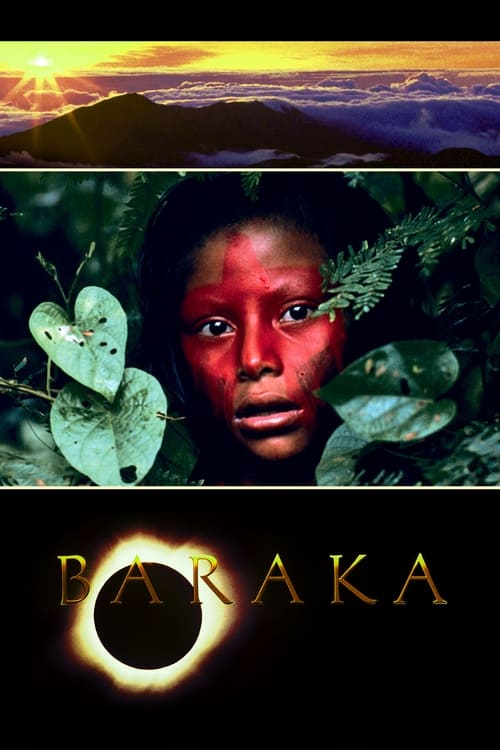
Baraka - Review
Baraka: A Visual Symphony of Humanity – A Review
Imagine a film that speaks not with words, but with the silent, powerful language of images. A film that transcends cultural boundaries and plunges into the very heart of existence, revealing the interconnectedness of all things. This is Baraka, Ron Fricke's breathtaking 1992 documentary, a cinematic odyssey that remains as potent and relevant today as it was upon its release. More than just a collection of stunning visuals, Baraka is a profound meditation on life, death, spirituality, and the human condition. Prepare to be mesmerized.
Plot: A Journey Without Words
To call Baraka a "plot-driven" film would be a gross misrepresentation. It operates on a different plane entirely. There is no narrative in the traditional sense, no characters with arcs to follow. Instead, Baraka presents a carefully curated sequence of images and sounds, a visual poem that guides the viewer on a global pilgrimage. From the serene temples of Southeast Asia to the bustling slums of Rio de Janeiro, from the ancient rituals of indigenous tribes to the stark landscapes of industrial wastelands, the film juxtaposes the sacred and the profane, the natural and the man-made, in a way that is both deeply moving and profoundly thought-provoking.
The film's "plot," if one can call it that, unfolds through thematic connections and visual echoes. A sunrise over a sacred mountain might be followed by a time-lapse of Tokyo commuters, highlighting the cyclical nature of life and the relentless march of time. The intricate patterns of a tribal dance might be echoed in the complex choreography of a factory assembly line, suggesting the inherent human desire for order and purpose. This non-linear approach allows the viewer to interpret the film's message on their own terms, making it a deeply personal and subjective experience.
Direction: A Masterclass in Visual Storytelling
Ron Fricke's direction in Baraka is nothing short of masterful. He doesn't simply present beautiful images; he crafts a visual narrative through meticulous composition, deliberate pacing, and the strategic use of time-lapse and slow-motion techniques. Fricke's camera becomes a silent observer, a respectful witness to the diverse tapestry of human life and the raw beauty of the natural world. He allows the images to speak for themselves, trusting in their power to evoke emotion and provoke thought.
Fricke's commitment to capturing authentic moments is evident in every frame. He avoids narration and interviews, preferring to let the subjects of his film speak through their actions, their rituals, and their environments. This approach gives Baraka a sense of immediacy and intimacy, drawing the viewer into the heart of each scene. The film feels less like a documentary and more like a shared experience, a journey taken alongside the people and places it portrays.
Cinematography: A Feast for the Eyes
The cinematography in Baraka is simply stunning. Shot on 70mm film, the images are incredibly sharp, detailed, and vibrant. Each frame is a work of art, carefully composed to maximize its visual impact. From the sweeping vistas of the Himalayas to the intimate close-ups of human faces, the film captures the beauty and complexity of the world with breathtaking clarity. The use of time-lapse photography is particularly effective, compressing vast stretches of time into mesmerizing sequences that reveal the hidden rhythms of nature and the frenetic pace of modern life.
The film's color palette is equally impressive, ranging from the warm hues of sunset over ancient ruins to the stark contrasts of industrial landscapes. Fricke and his team demonstrate a keen understanding of light and shadow, using them to create a sense of depth and atmosphere. The cinematography not only captures the visual beauty of the world but also enhances the film's thematic message, highlighting the contrast between the sacred and the profane, the natural and the artificial.
Performances: The Unscripted Drama of Life
While Baraka doesn't feature traditional actors, it is filled with powerful performances. The people who appear in the film, whether they are monks chanting in a temple, dancers performing an ancient ritual, or workers toiling in a factory, all bring a raw authenticity to their roles. They are not acting; they are simply living their lives, and it is this honesty that makes their performances so compelling.
The film also features a "performance" by nature itself. The landscapes, the animals, and the elements all play a crucial role in the film's narrative. The slow, deliberate movements of a glacier, the frenetic energy of a swarm of insects, and the serene beauty of a forest all contribute to the film's overall message about the interconnectedness of all things.
Themes and Messages: A Universal Language
Baraka explores a wide range of themes, including the interconnectedness of all things, the relationship between humanity and nature, the search for spiritual meaning, and the destructive impact of industrialization. The film suggests that despite our cultural differences, we are all part of the same human family, bound together by our shared experiences of life, death, joy, and suffering.
One of the central themes of Baraka is the contrast between the sacred and the profane. The film juxtaposes scenes of spiritual devotion with images of environmental degradation and social injustice, suggesting that we have lost our connection to the sacred and that this loss is having a devastating impact on our planet and our society. The film also explores the tension between tradition and modernity, highlighting the beauty and wisdom of ancient cultures while also acknowledging the challenges they face in a rapidly changing world.
Ultimately, Baraka is a call for greater awareness and responsibility. It challenges us to question our values, to reconsider our relationship with the natural world, and to strive for a more sustainable and equitable future. The film's message is not preachy or didactic; it is simply a gentle reminder of the beauty and fragility of life and the importance of preserving it for future generations.
Comparison to Similar Films
Baraka is often compared to Godfrey Reggio's Koyaanisqatsi (1982), another visually stunning documentary that explores the relationship between humanity and technology. Both films eschew narration and rely on powerful imagery and music to convey their message. However, Baraka is arguably more optimistic and spiritual in its outlook than Koyaanisqatsi, which tends to focus on the negative consequences of technological progress. Samsara (2011), also directed by Ron Fricke, can be considered a spiritual successor to Baraka. It continues the same visual style and thematic exploration, but with updated technology and a slightly more focused narrative. Compared to Baraka, Samsara delves deeper into specific cultural practices and rituals, offering a more intimate glimpse into the lives of the people it portrays.
Another film that shares similarities with Baraka is Terrence Malick's The Tree of Life (2011). While not a documentary, The Tree of Life also uses stunning visuals and a non-linear narrative to explore profound questions about life, death, and the universe. Both films share a sense of awe and wonder at the beauty and complexity of the natural world.
Positive Aspects
Baraka is a masterpiece of visual storytelling. Its stunning cinematography, evocative music, and profound themes make it a truly unforgettable cinematic experience. The film's lack of narration allows the viewer to interpret its message on their own terms, making it a deeply personal and subjective experience. It's a film that stays with you long after the credits roll, prompting reflection and inspiring a greater appreciation for the beauty and fragility of life.
The film's technical achievements are also remarkable. The use of 70mm film and advanced time-lapse techniques results in images that are incredibly sharp, detailed, and vibrant. The film's sound design is equally impressive, creating a rich and immersive soundscape that enhances the visual experience.
Constructive Criticism
While Baraka is undeniably a powerful and moving film, it is not without its flaws. Some viewers may find its lack of narration frustrating or confusing. The film's non-linear structure can also be challenging, requiring patience and attentiveness from the viewer.
Additionally, some critics have argued that Baraka romanticizes certain cultures and overlooks the complexities of their social and political realities. While the film strives to be respectful and non-judgmental, it is important to remember that it is still a product of its own cultural perspective.
Finally, the film's overwhelming focus on visuals can sometimes come at the expense of substance. While the images are undeniably beautiful, they can occasionally feel repetitive or lacking in deeper meaning. A slightly more focused narrative or a greater emphasis on specific cultural contexts might have enhanced the film's overall impact.
Conclusion and Rating
Despite its minor flaws, Baraka remains a landmark achievement in documentary filmmaking. It is a visually stunning, emotionally resonant, and intellectually stimulating film that transcends cultural boundaries and speaks to the universal human experience. It's a film that demands to be seen on the biggest screen possible, with the best sound system available, to fully appreciate its power and beauty. If you are looking for a film that will challenge your perceptions, expand your horizons, and leave you feeling deeply moved, then Baraka is an absolute must-see.
Rating: 9.5/10