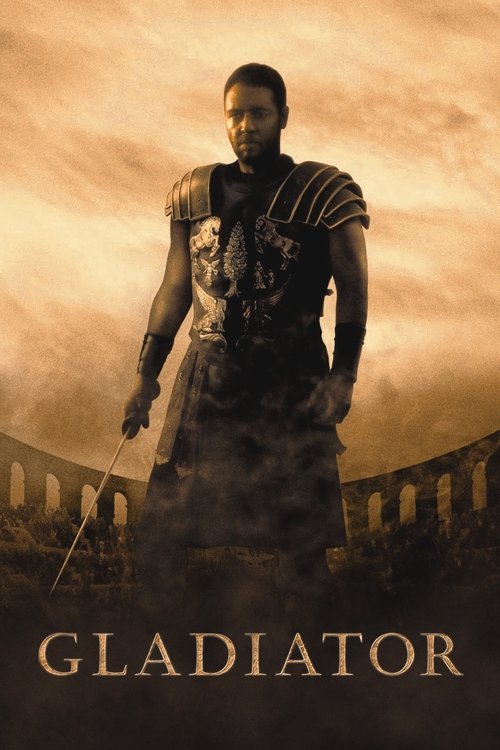
Gladiator - Review
Gladiator: A Timeless Epic of Revenge and Redemption
Ridley Scott's Gladiator, released in 2000, isn't just a historical action film; it's a visceral and emotionally resonant experience that catapults viewers into the heart of ancient Rome. More than two decades later, its impact on the action genre remains undeniable, a testament to its powerful storytelling, stunning visuals, and unforgettable performances. Prepare to be entertained. This isn't just a review; it's a deep dive into the arena of cinematic greatness.
Plot: A Descent into Darkness, a Rise to Glory
The film opens with General Maximus Decimus Meridius (Russell Crowe), a highly respected and capable Roman general leading his legions to victory against the Germanic tribes in 180 AD. Emperor Marcus Aurelius (Richard Harris), sensing his impending death, intends to restore the Roman Republic and asks Maximus to serve as its protector. However, Marcus' ambitious and power-hungry son, Commodus (Joaquin Phoenix), murders his father and seizes the throne. When Maximus refuses to pledge allegiance, Commodus orders his execution. Maximus escapes, but not before his family is brutally murdered. Left for dead, he is captured by slave traders and forced into gladiatorial combat.
The plot follows Maximus's journey from revered general to slave, then to celebrated gladiator. He uses his military skills and tactical brilliance to rise through the ranks of the gladiatorial arena, eventually becoming a star in Rome's Colosseum. All the while, he harbors a burning desire for revenge against Commodus, the man who destroyed his life and plunged Rome into tyranny. He meticulously plots his vengeance, using his newfound fame and influence to undermine Commodus's authority and expose his corruption.
The narrative is a classic revenge story, but it's elevated by its historical setting, complex characters, and exploration of themes like duty, honor, and freedom. The film expertly balances large-scale battle sequences with intimate character moments, creating a compelling and emotionally engaging experience. The pacing is deliberate, allowing the audience to fully invest in Maximus's journey and understand the motivations of the other key players.
Characters: Complexities and Compelling Motivations
Maximus Decimus Meridius (Russell Crowe): Maximus is the heart and soul of the film. He is a man of unwavering honor, loyalty, and courage. His military prowess is undeniable, but it's his moral compass that truly defines him. Crowe's portrayal is both stoic and deeply emotional, conveying Maximus's inner turmoil and unwavering determination with remarkable subtlety. He's not just a warrior; he's a husband, a father, and a man who believes in the ideals of Rome.
Commodus (Joaquin Phoenix): Commodus is a fascinating and complex villain. He's not simply evil; he's deeply insecure, emotionally damaged, and desperate for his father's approval, which he never received. Phoenix masterfully portrays Commodus's vulnerability and instability, making him a compelling and ultimately tragic figure. His actions are driven by a need for power and a deep-seated fear of being inadequate. He is the antithesis of Maximus, representing the corruption and decadence that threaten to destroy Rome.
Lucilla (Connie Nielsen): Lucilla, Commodus's sister and Maximus's former lover, is a woman trapped in a dangerous political game. She's intelligent, resourceful, and deeply concerned about the future of Rome. Nielsen delivers a nuanced performance, portraying Lucilla's strength and vulnerability as she navigates the treacherous court of Commodus. She serves as a crucial link between Maximus and the Roman Senate, providing him with vital information and support.
Proximo (Oliver Reed): Proximo, the gladiator trainer, is a gruff but ultimately honorable character. He sees potential in Maximus and provides him with the training and guidance he needs to survive in the arena. Reed's performance, sadly one of his last, is memorable and adds a layer of depth to the film. He represents the harsh realities of the gladiatorial world but also the possibility of redemption and self-discovery.
Marcus Aurelius (Richard Harris): Although his screen time is limited, Marcus Aurelius plays a pivotal role in setting the stage for the entire conflict. Harris imbues the emperor with wisdom, compassion, and a deep concern for the welfare of Rome. His desire to restore the Republic and his trust in Maximus highlight the ideals that Commodus ultimately betrays.
Direction: Ridley Scott's Masterful Vision
Ridley Scott's direction is nothing short of masterful. He creates a believable and immersive world, transporting the audience to the grandeur and brutality of ancient Rome. Scott's attention to detail is evident in every aspect of the film, from the meticulously recreated sets and costumes to the visceral and realistic battle sequences. He skillfully balances large-scale action with intimate character moments, ensuring that the film is both visually stunning and emotionally engaging.
Scott's use of slow-motion during key action sequences adds a sense of dramatic weight and emphasizes the brutality of the gladiatorial combat. The camera work is dynamic and engaging, capturing the energy and excitement of the arena while also highlighting the vulnerability and desperation of the gladiators. He uses lighting and shadows to create a sense of atmosphere and mood, particularly in the darker and more intimate scenes. The direction is a key factor in the film's success, elevating it beyond a simple action film into a true cinematic masterpiece.
Cinematography: A Visual Feast
The cinematography, by John Mathieson, is breathtaking. The film is visually stunning, with sweeping landscapes, meticulously detailed sets, and dramatic lighting. The opening battle sequence is a masterclass in visual storytelling, capturing the chaos and brutality of war with a visceral and immersive style. The Colosseum scenes are equally impressive, showcasing the grandeur and spectacle of the arena while also highlighting the desperation and violence of the gladiatorial combat.
Mathieson's use of color is particularly effective. The warm, golden hues of the Roman countryside contrast sharply with the cold, metallic tones of the Colosseum, creating a visual representation of the conflict between nature and civilization, freedom and oppression. The use of slow-motion and dramatic lighting further enhances the visual impact of the film, creating a truly unforgettable cinematic experience.
Performances: A Cast at the Top of Their Game
The performances in Gladiator are uniformly excellent. Russell Crowe delivers a career-defining performance as Maximus, embodying the character's strength, honor, and vulnerability with remarkable conviction. Joaquin Phoenix is equally brilliant as Commodus, portraying the emperor's insecurity, ambition, and descent into madness with chilling accuracy. Connie Nielsen provides a strong and nuanced performance as Lucilla, while Oliver Reed delivers a memorable turn as Proximo. The supporting cast is also excellent, adding depth and texture to the film's world.
Crowe's performance is particularly noteworthy for its subtlety and emotional depth. He conveys Maximus's inner turmoil and unwavering determination through his eyes and his body language, creating a character that is both heroic and deeply human. Phoenix's portrayal of Commodus is equally impressive, capturing the character's vulnerability and instability with a chilling intensity. The chemistry between Crowe and Phoenix is palpable, adding to the dramatic tension of the film.
Themes and Messages: More Than Just Swords and Sandals
Gladiator explores a number of important themes, including:
- Revenge: The driving force behind Maximus's actions is his desire for revenge against Commodus for the murder of his family and the destruction of his life. However, the film also suggests that revenge is a destructive force that can consume a person and ultimately lead to their own downfall.
- Duty and Honor: Maximus is a man of unwavering duty and honor. He believes in the ideals of Rome and is willing to sacrifice everything to uphold them. The film explores the conflict between personal desires and the demands of duty, and the importance of remaining true to one's principles even in the face of adversity.
- Freedom and Oppression: The film contrasts the freedom of Maximus as a general with his enslavement as a gladiator. It explores the themes of oppression and resistance, and the importance of fighting for one's freedom and dignity.
- Corruption of Power: Commodus's reign is a stark example of the corrupting influence of power. He abuses his authority, manipulates the Senate, and ultimately plunges Rome into chaos. The film serves as a cautionary tale about the dangers of unchecked power and the importance of holding leaders accountable.
- Redemption: Despite the horrors he endures, Maximus ultimately finds redemption through his actions. He uses his fame as a gladiator to expose Commodus's corruption and inspire the people of Rome to rise up against tyranny. His sacrifice at the end of the film ensures the restoration of the Republic and the preservation of the ideals he held dear.
Comparisons: Echoes of the Past, Influence on the Future
Gladiator draws inspiration from classic historical epics like Spartacus (1960) and Ben-Hur (1959), sharing similar themes of slavery, rebellion, and the struggle for freedom. However, Gladiator distinguishes itself with its grittier realism, more complex characters, and focus on political intrigue. Unlike the more sanitized portrayals of ancient Rome in earlier films, Gladiator presents a more brutal and unflinching vision of the era.
Ridley Scott's previous work, such as Alien (1979) and Blade Runner (1982), demonstrates his ability to create immersive and visually stunning worlds. Gladiator builds upon this foundation, showcasing Scott's mastery of visual storytelling and his ability to create compelling characters. The film also influenced subsequent historical action films, such as Kingdom of Heaven (2005) (also directed by Ridley Scott), Troy (2004), and the television series Rome (2005-2007), which adopted a similar style of gritty realism and political intrigue.
Positive Aspects: A Triumph of Filmmaking
Gladiator excels in numerous areas:
- Visually Stunning: The film's cinematography, set design, and costume design are all top-notch, creating a believable and immersive world.
- Compelling Performances: The cast delivers outstanding performances, particularly Russell Crowe and Joaquin Phoenix.
- Engaging Story: The plot is well-paced and emotionally engaging, keeping the audience invested in Maximus's journey.
- Masterful Direction: Ridley Scott's direction is superb, balancing large-scale action with intimate character moments.
- Thematic Depth: The film explores a number of important themes, adding depth and meaning to the story.
Constructive Criticism: Minor Flaws in an Otherwise Perfect Arena
While Gladiator is a near-perfect film, there are a few minor areas that could be improved:
- Historical Accuracy: While the film is inspired by historical events, it takes significant liberties with the historical record. Some viewers may find these inaccuracies distracting.
- Pacing: The film's pacing is generally well-managed, but some viewers may find the middle act to be slightly slow.
- CGI: While the CGI is generally impressive, some of the effects have aged somewhat, particularly in the Colosseum scenes.
Conclusion: A Cinematic Triumph for the Ages
Gladiator is a cinematic triumph that continues to resonate with audiences more than two decades after its release. Its powerful story, stunning visuals, and unforgettable performances make it a true masterpiece of the action genre. Despite some minor flaws, the film's strengths far outweigh its weaknesses, making it a must-see for any film enthusiast. It's a film that stays with you long after the credits roll, prompting reflection on themes of power, corruption, revenge, and the enduring human spirit. Gladiator isn't just a movie; it's an experience.
Rating: 9.5/10