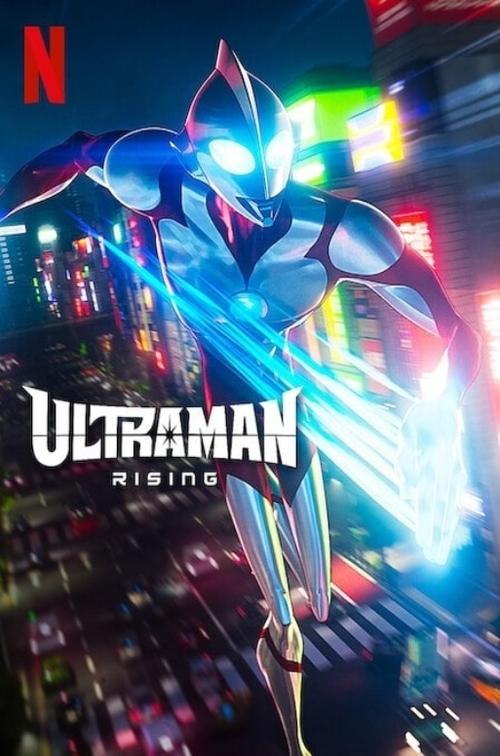
Ultraman: Rising - Review
Ultraman: Rising - A Hero's Journey Redefined
Giant monsters stomping through meticulously rendered cityscapes, a reluctant hero grappling with immense responsibility, and a heartwarming tale of family and sacrifice – these are the elements that make up Netflix's Ultraman: Rising, released on June 14, 2024. This animated spectacle isn't just another iteration of the iconic Japanese hero; it's a fresh, emotionally resonant take that breathes new life into the Ultraman mythos. But does it truly soar, or does it stumble under the weight of its own ambition? Let's dive in.
Plot: From Baseball Diamond to Monster Mayhem
The film centers on Ken Sato, a celebrated baseball superstar at the peak of his career. Ken's life is meticulously planned, his future seemingly guaranteed. However, his world is irrevocably shattered when he's unexpectedly thrust into the role of Ultraman, inheriting the mantle from his estranged father. This transition is abrupt and unwelcome, forcing Ken to juggle his celebrity status with the daunting task of protecting Tokyo from colossal Kaiju. The initial act cleverly balances Ken's internal conflict – his desire to maintain his comfortable life versus the overwhelming responsibility thrust upon him. The animation style beautifully captures the dynamism of both the baseball field and the intense monster battles, creating a visual feast for the audience.
The plot takes a significant turn when Ken inadvertently inherits a baby Kaiju, whom he affectionately names Emi. Suddenly, the narrative shifts from a simple monster-fighting story to a heartwarming tale of surrogate parenthood. Ken, initially resistant to the idea of being responsible for anything beyond his own career, is forced to confront his emotional immaturity and learn the true meaning of family. This unexpected twist adds layers of depth and complexity to the story, elevating it beyond a typical superhero narrative. The central conflict then becomes not just about defeating monsters, but about protecting Emi from those who see her as a threat, including the ruthless Kaiju Defense Force (KDF) and other hostile Kaiju.
The second act sees Ken struggling to balance his duties as Ultraman, his burgeoning role as a father figure to Emi, and the constant pressure from the KDF. The plot thickens as we learn more about Emi's origins and the reason behind her existence. Flashbacks reveal a deeper connection between Ken's father, the previous Ultraman, and the Kaiju world, adding a layer of intrigue and mystery. The pacing remains consistent, with well-timed action sequences interspersed with quieter, more emotional moments. The animation during the Kaiju battles is particularly impressive, showcasing the sheer scale and power of these creatures.
The climax of the film is a spectacular showdown between Ultraman and a powerful, ancient Kaiju threatening to destroy Tokyo. Ken, now fully embracing his role as both Ultraman and Emi's protector, must use all his skills and abilities to save the city and his newfound family. The battle is visually stunning, with breathtaking animation and creative use of Ultraman's signature powers. The emotional stakes are high, as Ken is forced to make difficult choices that will determine the fate of both humans and Kaiju. The resolution is satisfying, offering a hopeful message about understanding, acceptance, and the importance of family.
Characters: A Cast of Compelling Personalities
Ken Sato (Ultraman): Ken is initially presented as a self-centered and somewhat immature athlete, more concerned with his career than with the legacy of his father. His transformation into Ultraman is not a smooth one; he struggles with the weight of responsibility and resents the disruption to his carefully planned life. However, his character arc is one of the film's greatest strengths. Through his relationship with Emi, he learns to embrace his role as Ultraman and to prioritize the needs of others over his own desires. His vulnerability and growth make him a relatable and sympathetic protagonist.
Emi: Emi, the baby Kaiju, is the heart and soul of the film. Despite being a creature of immense power, she is portrayed as innocent, playful, and utterly dependent on Ken. Her presence forces Ken to confront his emotional shortcomings and to develop a sense of empathy and compassion. Emi's design is endearing, and her interactions with Ken are both heartwarming and humorous. She serves as a powerful symbol of understanding and acceptance, challenging the preconceived notions about Kaiju as inherently dangerous creatures.
Professor Onda: Onda is Ken's mentor and the brains behind Ultraman's technology. He is a wise and supportive figure, providing Ken with guidance and encouragement as he navigates his new role. Onda also serves as a link to Ken's father, offering insights into the previous Ultraman's motivations and experiences. While not as central to the plot as Ken and Emi, Onda is a crucial supporting character who provides both practical and emotional support.
Dr. Hoshi: The head of the Kaiju Defense Force (KDF), Dr. Hoshi embodies the fear and prejudice that humans harbor towards Kaiju. Driven by a desire to protect humanity, she is willing to go to extreme lengths to eliminate any perceived threat. Her character represents the opposing viewpoint to Ken's, highlighting the conflict between those who believe in destroying Kaiju and those who believe in finding a way to coexist. While her methods are questionable, her motivations are understandable, making her a complex and compelling antagonist.
Ken's Father (The Previous Ultraman): Though primarily seen through flashbacks and memories, Ken's father plays a significant role in shaping Ken's journey. His legacy looms large, and Ken initially struggles to live up to his father's reputation. The film gradually reveals more about Ken's father's motivations and the sacrifices he made, providing a deeper understanding of the Ultraman lineage and the responsibilities that come with it.
Direction and Cinematography: A Visual Masterpiece
Shannon Tindle and John Aoshima's direction is masterful, seamlessly blending action, humor, and heartfelt emotion. The film's pacing is expertly controlled, keeping the audience engaged from beginning to end. The directors effectively utilize visual storytelling, allowing the animation to convey emotions and ideas without relying solely on dialogue. The action sequences are dynamic and exciting, showcasing the scale and power of the Kaiju battles. The quieter, more intimate moments are equally well-handled, allowing the audience to connect with the characters on a deeper level.
The cinematography is breathtaking, with stunning visuals that bring Tokyo and the Kaiju world to life. The animation style is a unique blend of 3D and 2D techniques, creating a visually appealing and distinctive look. The color palette is vibrant and dynamic, enhancing the emotional impact of each scene. The lighting is expertly used to create mood and atmosphere, from the bright and cheerful scenes of Ken's baseball games to the dark and foreboding scenes of the Kaiju battles. The attention to detail is remarkable, with every frame meticulously crafted to create a visually immersive experience.
The film's visual style draws inspiration from both Japanese anime and Western animation, creating a unique and appealing aesthetic. The character designs are expressive and memorable, and the Kaiju are both terrifying and awe-inspiring. The animation captures the fluidity of movement and the intensity of the battles, making the action sequences feel visceral and engaging. The use of camera angles and visual effects is particularly impressive, adding depth and dynamism to the visuals.
Themes and Messages: Exploring Family, Responsibility, and Acceptance
Ultraman: Rising is more than just a superhero action film; it's a story about family, responsibility, and acceptance. The film explores the complexities of father-son relationships, the challenges of balancing personal desires with societal expectations, and the importance of understanding and accepting those who are different from us.
One of the central themes of the film is the importance of family. Ken's journey is ultimately about learning to embrace his role as a father figure to Emi and to appreciate the sacrifices his own father made. The film emphasizes that family is not just about blood ties, but about love, loyalty, and commitment. Ken's relationship with Emi teaches him the true meaning of family and helps him to become a more compassionate and responsible person.
The film also explores the theme of responsibility. Ken initially resists the idea of becoming Ultraman, viewing it as a burden that interferes with his personal ambitions. However, as he learns to embrace his role and to care for Emi, he comes to understand the importance of using his powers to protect others. The film suggests that true heroism lies not in seeking fame and glory, but in accepting responsibility and using one's abilities for the greater good.
Another important theme is the concept of acceptance. The film challenges the preconceived notions about Kaiju as inherently dangerous creatures, suggesting that they are simply misunderstood. Through his relationship with Emi, Ken learns to see Kaiju as individuals with their own unique personalities and motivations. The film encourages viewers to question their own biases and to embrace diversity, promoting a message of understanding and acceptance towards those who are different from us.
The film also subtly touches upon environmental themes. The Kaiju, often seen as destructive forces, can also be interpreted as a representation of nature's response to human actions. This adds another layer of depth to the narrative, prompting viewers to consider the impact of their choices on the environment.
Performances: Voice Acting Excellence
The voice acting in Ultraman: Rising is exceptional, with each actor bringing their character to life with nuance and emotion. Christopher Sean delivers a compelling performance as Ken Sato, capturing his initial reluctance and eventual transformation with authenticity. His portrayal of Ken's internal conflict is particularly effective, allowing the audience to empathize with his struggles.
The voice acting for Emi, though largely non-verbal, is equally impressive. The actors use a variety of vocalizations and expressions to convey Emi's emotions, making her a believable and endearing character. The supporting cast, including Gedde Watanabe as Professor Onda and Tamlyn Tomita as Dr. Hoshi, also deliver strong performances, adding depth and complexity to their respective roles.
The voice direction is excellent, ensuring that each performance is perfectly suited to the character and the scene. The actors effectively convey the emotions of their characters, from the joy and humor of the lighter moments to the tension and drama of the action sequences. The voice acting is a crucial element of the film's success, helping to bring the characters to life and to engage the audience on an emotional level.
Comparison to Other Works: A Fresh Take on the Ultraman Mythos
Ultraman: Rising stands out as a unique and refreshing take on the Ultraman franchise. While it retains the core elements of the Ultraman mythos – the giant monsters, the heroic protagonist, and the spectacular battles – it also adds its own distinct flavor with its focus on family, responsibility, and acceptance.
Compared to previous Ultraman iterations, Ultraman: Rising is more character-driven and emotionally resonant. The film spends more time exploring the inner lives of its characters, allowing the audience to connect with them on a deeper level. The relationship between Ken and Emi is a central focus of the narrative, adding a heartwarming and relatable element that is often absent in traditional Ultraman stories.
The film also distinguishes itself through its animation style. The blend of 3D and 2D techniques creates a visually appealing and distinctive look that sets it apart from other animated superhero films. The cinematography is also more dynamic and visually stunning than in previous Ultraman adaptations.
In comparison to other animated superhero films, such as those from Marvel or DC, Ultraman: Rising offers a more nuanced and emotionally complex narrative. While it still features plenty of action and spectacle, it also delves into deeper themes and explores the human side of its characters. The film's focus on family and acceptance makes it a more relatable and accessible story for a wider audience.
One could also draw parallels to films like "Big Hero 6," which also features a unique blend of action, humor, and heart, centered around an unlikely friendship between a human and a robot/AI. However, "Ultraman: Rising" distinguishes itself with its distinct Japanese cultural influences and its exploration of the Ultraman mythology.
Positive Aspects: A Triumph of Animation and Storytelling
Ultraman: Rising excels in several key areas:
- Compelling Story: The plot is engaging and emotionally resonant, blending action, humor, and heartfelt moments seamlessly.
- Well-Developed Characters: The characters are complex and relatable, with strong arcs and believable motivations.
- Stunning Animation: The visual style is unique and breathtaking, with dynamic action sequences and meticulous attention to detail.
- Thought-Provoking Themes: The film explores important themes of family, responsibility, and acceptance, offering a hopeful message for viewers of all ages.
- Excellent Voice Acting: The voice performances are nuanced and expressive, bringing the characters to life with authenticity.
Constructive Criticism: Minor Stumbles in an Otherwise Excellent Film
While Ultraman: Rising is a highly enjoyable film, it's not without its minor flaws:
- Predictable Plot Points: Some of the plot twists and turns are somewhat predictable, particularly for viewers familiar with the superhero genre.
- Underdeveloped Antagonist: While Dr. Hoshi is a complex character, her motivations could have been explored in greater depth, making her a more formidable and compelling antagonist.
- Pacing Issues (Slight): While generally well-paced, the film occasionally suffers from minor pacing issues, with some scenes feeling slightly rushed or drawn out.
These criticisms are relatively minor and do not significantly detract from the overall enjoyment of the film. However, they are worth noting as areas where the film could have been even stronger.
Conclusion: A Must-See for Fans and Newcomers Alike
Ultraman: Rising is a triumph of animation and storytelling, offering a fresh and emotionally resonant take on the Ultraman mythos. With its compelling characters, stunning visuals, and thought-provoking themes, it's a film that will appeal to both longtime fans of the franchise and newcomers alike. While it has a few minor flaws, its strengths far outweigh its weaknesses, making it a must-see for anyone who enjoys superhero stories, animated films, or heartwarming tales of family and acceptance.
This film not only entertains but also leaves a lasting impression, prompting viewers to reflect on their own relationships and to consider the importance of understanding and accepting those who are different from them. Ultraman: Rising is a testament to the power of animation to tell meaningful and engaging stories, and it's a welcome addition to the Ultraman legacy.