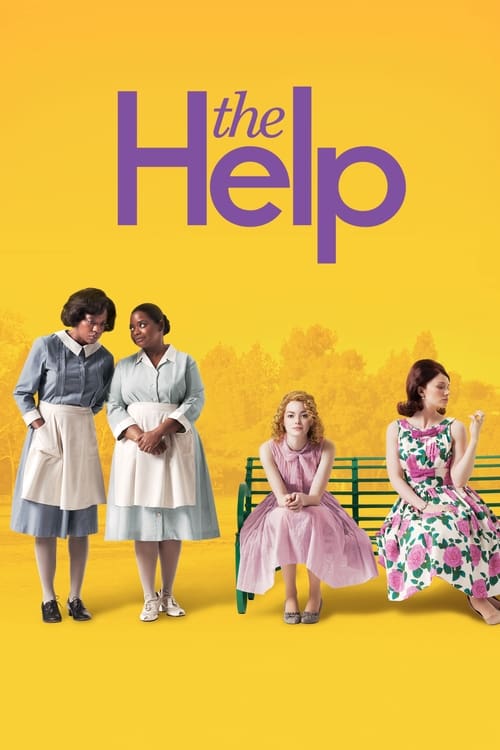
The Help - Review
"The Help": A Complicated Portrait of 1960s Mississippi
Released in 2011, "The Help" promised a poignant and powerful exploration of racial dynamics in 1960s Mississippi. Based on Kathryn Stockett's bestselling novel, the film tells the story of Skeeter Phelan, a young white woman who returns home from college with aspirations of becoming a writer and decides to document the experiences of the black maids who raise white children and run white households. While the film garnered critical acclaim and box office success, it also sparked considerable debate about its perspective, accuracy, and overall portrayal of the era. Is "The Help" a genuinely moving story of courage and solidarity, or does it fall short of its potential, ultimately reinforcing the very power structures it attempts to critique? Let's delve into the intricate layers of this controversial yet compelling film.
Plot: A Tapestry of Intertwined Lives
The narrative of "The Help" revolves around three central figures: Aibileen Clark, a wise and resilient maid who has spent her life caring for white children; Minny Jackson, a headstrong and outspoken maid known for her culinary skills and sharp tongue; and Eugenia "Skeeter" Phelan, a young, ambitious white woman who challenges the social norms of her time. Skeeter's return to Jackson, Mississippi, coincides with a deep sense of unease about the disappearance of her beloved childhood maid, Constantine. Driven by a desire to understand Constantine's fate and fueled by her burgeoning journalistic ambitions, Skeeter embarks on a risky project: to write a book documenting the experiences of black maids in the South.
Initially, Aibileen is hesitant to participate, fearing the repercussions of speaking out against the white families she serves. However, inspired by the growing Civil Rights movement and the desire to honor her late son, she agrees to share her story. Minny, known for her defiant spirit and history of being fired, is even more reluctant, but Aibileen eventually convinces her to join the project. As Skeeter begins to interview Aibileen and Minny, more and more maids come forward, risking their livelihoods and their safety to share their experiences of racism, mistreatment, and the quiet dignity they maintain in the face of adversity.
The plot thickens as the maids' stories are woven together, revealing the hypocrisy and prejudice that permeates the seemingly idyllic lives of the white families they serve. The film also explores Skeeter's personal journey as she navigates the social expectations of her time, confronts her own privilege, and struggles to maintain her friendships with Hilly Holbrook, a powerful and manipulative socialite who embodies the worst aspects of Southern segregationist attitudes. The climax of the film arrives with the publication of Skeeter's book, which exposes the ugly truths of Jackson society and forces both black and white communities to confront the realities of their shared history.
Characters: Strength, Vulnerability, and Complexity
One of the film's strongest assets is its portrayal of its characters. Aibileen Clark, played with quiet dignity by Viola Davis, is the heart and soul of the film. Her strength, resilience, and unwavering love for the children she cares for make her a deeply sympathetic and inspiring figure. Davis's performance is nuanced and powerful, capturing both the pain of Aibileen's past and the hope she holds for the future. Octavia Spencer delivers a standout performance as Minny Jackson, bringing humor, sass, and a touch of vulnerability to the role. Minny's fiery personality and unwavering loyalty make her a compelling and unforgettable character. Emma Stone portrays Skeeter Phelan with a blend of naiveté and determination. While Skeeter's intentions are noble, the film also acknowledges her privilege and the limitations of her understanding of the black experience.
The supporting characters are equally well-developed. Bryce Dallas Howard delivers a chilling performance as Hilly Holbrook, the film's primary antagonist. Hilly represents the entrenched racism and social conservatism of the era, and her manipulative and vindictive behavior highlights the systemic oppression faced by the black community. Jessica Chastain shines as Celia Foote, a kind-hearted but socially awkward woman who befriends Minny and challenges the racial prejudices of her community. Her genuine compassion and willingness to defy social norms make her a refreshing and sympathetic character. Allison Janney provides a memorable performance as Skeeter's mother, Charlotte Phelan, a complex and nuanced character who grapples with her own prejudices and desires for her daughter's happiness.
However, it's crucial to acknowledge the criticisms leveled against the film's character development. Some argue that the black characters are often portrayed through a white lens, with their stories serving primarily to advance Skeeter's narrative. While the film attempts to give Aibileen and Minny agency, some critics argue that they are ultimately relegated to supporting roles in Skeeter's journey of self-discovery. This critique raises important questions about the film's perspective and its potential to perpetuate harmful stereotypes.
Direction and Cinematography: A Visual Reflection of the South
Directed by Tate Taylor, "The Help" boasts a visually appealing aesthetic that effectively captures the atmosphere of 1960s Mississippi. The film's cinematography, helmed by Stephen Goldblatt, is lush and vibrant, showcasing the beauty of the Southern landscape and the elegance of the white households. The use of warm colors and soft lighting creates a nostalgic and romanticized vision of the era, which some critics argue can inadvertently gloss over the harsh realities of segregation and racial injustice.
Taylor's direction is generally competent, effectively guiding the performances of the talented cast and maintaining a steady pace throughout the film. However, some critics argue that the film lacks a distinctive directorial vision, relying too heavily on familiar tropes and sentimental moments. The film's pacing can also feel uneven at times, with certain plot threads feeling rushed or underdeveloped.
The costume design is meticulously crafted, accurately reflecting the fashion trends and social distinctions of the era. The production design effectively recreates the interiors of both the grand white homes and the more modest homes of the black maids, highlighting the stark contrast in their living conditions. The soundtrack features a blend of soulful blues and gospel music, adding to the film's emotional resonance and providing a powerful backdrop to the characters' struggles.
Performances: A Showcase of Talent
The performances in "The Help" are undoubtedly one of its strongest assets. Viola Davis delivers a career-defining performance as Aibileen Clark, imbuing the character with grace, strength, and quiet dignity. Her portrayal of Aibileen's pain, resilience, and unwavering love is deeply moving and unforgettable. Octavia Spencer shines as Minny Jackson, bringing humor, sass, and a touch of vulnerability to the role. Her comedic timing is impeccable, and she effectively captures Minny's fierce loyalty and unwavering spirit. Emma Stone delivers a solid performance as Skeeter Phelan, portraying her character's naiveté, determination, and growing awareness of the racial injustices around her. Bryce Dallas Howard is convincingly villainous as Hilly Holbrook, effectively embodying the entrenched racism and social conservatism of the era. Jessica Chastain is luminous as Celia Foote, bringing warmth, compassion, and a touch of eccentricity to the role. Allison Janney provides a memorable performance as Charlotte Phelan, capturing the complexities of a woman torn between tradition and her love for her daughter.
The ensemble cast works exceptionally well together, creating a believable and engaging portrayal of the relationships between the black maids and the white families they serve. The chemistry between Davis and Spencer is particularly strong, and their scenes together are among the film's most memorable.
Themes and Messages: Exploring Race, Class, and Courage
"The Help" explores a range of complex themes, including race, class, gender, and the power of storytelling. The film examines the systemic racism and segregation that permeated Southern society in the 1960s, highlighting the daily indignities and injustices faced by the black community. It also explores the economic disparities between the white families and the black maids, revealing the exploitative nature of their relationships. The film touches upon the limited opportunities available to women during this era, particularly in the South, and the social pressures they faced to conform to traditional gender roles.
One of the film's central themes is the power of storytelling to challenge injustice and effect social change. Skeeter's book provides a platform for the maids to share their experiences and expose the ugly truths of Jackson society. The film also emphasizes the importance of empathy and understanding in bridging racial divides. By giving voice to the marginalized, "The Help" encourages viewers to confront their own prejudices and to work towards a more just and equitable society.
However, the film's messages are not without their complexities. Some critics argue that the film's focus on Skeeter's perspective diminishes the agency of the black characters and reinforces the "white savior" trope. Others argue that the film's portrayal of racism is too sanitized and that it fails to fully address the systemic nature of racial inequality. These criticisms raise important questions about the film's perspective and its potential to perpetuate harmful stereotypes.
Comparison to Similar Films and Previous Works
"The Help" can be compared to other films that explore racial dynamics in the American South, such as "To Kill a Mockingbird" (1962), "Mississippi Burning" (1988), and "Ghosts of Mississippi" (1996). Like "The Help," these films grapple with themes of racism, prejudice, and the struggle for civil rights. However, "The Help" differs from these films in its focus on the experiences of black maids and its emphasis on the power of storytelling. "To Kill a Mockingbird," while a powerful story, is primarily told from the perspective of a white child, while "Mississippi Burning" and "Ghosts of Mississippi" focus on the investigation of racially motivated crimes. "The Help" offers a more intimate and personal portrayal of the lives of black women in the South.
Tate Taylor, the director of "The Help," previously directed "Pretty Ugly People" (2008), a dark comedy that received mixed reviews. "The Help" represents a significant departure from Taylor's earlier work, both in terms of genre and subject matter. While "Pretty Ugly People" was a small-scale, independent film, "The Help" was a major studio production with a wide release. Taylor's direction in "The Help" is more restrained and conventional than in his earlier film, reflecting the demands of a larger audience and a more sensitive subject matter.
Viola Davis and Octavia Spencer, both of whom delivered standout performances in "The Help," have appeared in numerous other films and television shows. Davis is known for her powerful and nuanced performances in films such as "Doubt" (2008), "Fences" (2016), and "Widows" (2018). Spencer has appeared in films such as "Fruitvale Station" (2013), "Hidden Figures" (2016), and "The Shape of Water" (2017). Both Davis and Spencer have consistently demonstrated their talent and versatility, and their performances in "The Help" are among the highlights of their careers.
Positive Aspects
"The Help" boasts several positive aspects. The film's performances are uniformly excellent, with Viola Davis and Octavia Spencer delivering particularly memorable performances. The film's production design and costume design are meticulously crafted, accurately recreating the atmosphere of 1960s Mississippi. The film effectively explores themes of racism, class, and the power of storytelling. The film's emotional resonance is undeniable, and it is likely to resonate with audiences who are interested in stories about social justice and the struggle for civil rights.
Constructive Criticism
Despite its strengths, "The Help" is not without its flaws. The film's perspective is often criticized for being too focused on Skeeter's experience, diminishing the agency of the black characters. The film's portrayal of racism is sometimes seen as too sanitized, failing to fully address the systemic nature of racial inequality. The film's pacing can feel uneven at times, with certain plot threads feeling rushed or underdeveloped. The film's reliance on familiar tropes and sentimental moments can detract from its overall impact.
Conclusion and Rating
"The Help" is a complex and ultimately flawed film that attempts to grapple with the sensitive subject of race relations in the American South. While the film boasts strong performances, compelling characters, and a visually appealing aesthetic, it also suffers from a limited perspective and a tendency to rely on familiar tropes. Despite its flaws, "The Help" remains a thought-provoking and emotionally resonant film that is likely to spark important conversations about race, class, and the power of storytelling. However, viewers should approach the film with a critical eye, acknowledging its limitations and considering alternative perspectives on the events it portrays.
Rating: 7/10