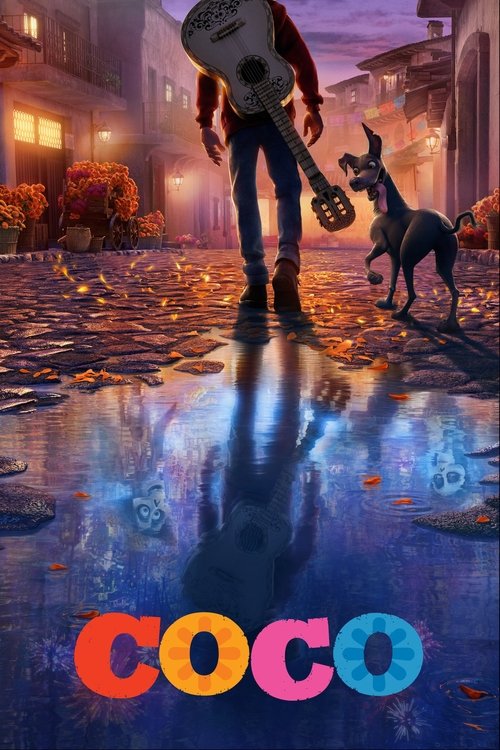
Coco - Review
Coco: A Vibrant Tapestry of Family, Music, and the Afterlife
Pixar's Coco, released in 2017, isn't just another animated film; it's a cultural celebration, a poignant exploration of family legacy, and a visual feast that transcends age and background. From its vibrant depiction of the Land of the Dead to its heartwarming story of a young boy chasing his musical dreams, Coco struck a chord with audiences worldwide. But beyond its surface-level appeal, the film delves into deeper themes of remembrance, forgiveness, and the importance of honoring one's roots. This review will dissect the various elements that make Coco a modern animated masterpiece, examining its plot, characters, direction, cinematography, performances, themes, and ultimately, its place within the broader landscape of animated cinema.
Plot: A Journey Beyond the Living
The plot of Coco centers on Miguel Rivera, a twelve-year-old boy living in Santa Cecilia, Mexico, with an ardent passion for music. However, his family has a strict, generations-old ban on music, stemming from a painful past where Miguel's great-great-grandfather abandoned his wife, Imelda, to pursue a career as a musician. This ban creates a significant conflict for Miguel, who secretly idolizes the legendary singer Ernesto de la Cruz and dreams of following in his footsteps.
On Día de Muertos (Day of the Dead), Miguel, desperate to prove his talent, attempts to borrow Ernesto de la Cruz's guitar from his mausoleum. In doing so, he inadvertently crosses over into the Land of the Dead. To return to the Land of the Living, Miguel must receive a blessing from a deceased family member before sunrise. However, Imelda refuses to bless him unless he promises to abandon his musical aspirations.
Unwilling to compromise his dreams, Miguel embarks on a quest to find Ernesto de la Cruz, believing him to be his great-great-grandfather and hoping to receive his blessing without any conditions. He is accompanied by Héctor, a charming trickster spirit who needs Miguel's help to have his picture placed on an ofrenda (altar) so he can visit the Land of the Living on Día de Muertos. Héctor's motive is deeply personal: he desperately wants to see his daughter before she forgets him, causing him to fade away completely.
The journey through the Land of the Dead is filled with vibrant visuals, colorful characters, and unexpected twists. Miguel and Héctor encounter various obstacles, including rivalries with other spirits, encounters with alebrijes (spirit guides), and the looming threat of being trapped in the Land of the Dead forever. As they delve deeper into Miguel's family history, they uncover a shocking truth about Ernesto de la Cruz and the real reason for the music ban, revealing a tale of betrayal, stolen songs, and a family's enduring love.
The plot is masterfully crafted, seamlessly blending adventure, mystery, and heartfelt emotion. The pacing is excellent, keeping audiences engaged from beginning to end. The stakes are high, and the emotional payoff is incredibly rewarding, leaving viewers with a profound appreciation for family, memory, and the power of music.
Characters: Heart and Soul of the Story
Coco boasts a cast of memorable characters, each contributing to the film's emotional depth and cultural richness.
Miguel Rivera
Miguel is the heart of the film. He's a passionate, determined, and somewhat rebellious young boy who refuses to let his family's ban on music stifle his dreams. He's relatable and endearing, driven by a genuine love for music and a desire to prove himself. His journey of self-discovery and reconciliation with his family is the emotional core of the story.
Héctor
Héctor is a charming and witty trickster spirit who becomes Miguel's unlikely companion. Initially presented as a somewhat selfish character, Héctor's true motivations are gradually revealed, showcasing his deep love for his daughter and his desperate desire to be remembered. He's a complex and layered character, providing both comedic relief and emotional resonance.
Ernesto de la Cruz
Ernesto de la Cruz is initially portrayed as a charismatic and beloved musical icon. However, as the story unfolds, his true nature is revealed to be far more sinister. He's a complex antagonist, driven by ambition and a willingness to do whatever it takes to achieve fame and fortune. His character serves as a cautionary tale about the dangers of sacrificing integrity for success.
Imelda Rivera
Imelda, Miguel's great-great-grandmother, is the matriarch of the Rivera family and the enforcer of the music ban. Initially presented as a stern and uncompromising figure, Imelda's backstory reveals her deep love for her family and the pain she endured when her husband abandoned her. She's a strong and resilient character who ultimately learns to forgive and embrace Miguel's musical talent.
Mama Coco
Mama Coco, Miguel's great-grandmother, is a frail and elderly woman who suffers from memory loss. She represents the importance of remembering loved ones and the enduring power of family connections. Her character is incredibly touching and serves as a constant reminder of the film's central themes.
The supporting characters, including Miguel's parents, Abuelita (grandmother), and other deceased relatives, are equally well-developed and contribute to the film's vibrant and authentic portrayal of Mexican culture.
Direction: Weaving a Magical World
Lee Unkrich's direction of Coco is nothing short of masterful. He expertly balances the film's various elements, seamlessly weaving together adventure, comedy, drama, and cultural celebration. Unkrich demonstrates a deep understanding and respect for Mexican culture, ensuring that the film is both authentic and engaging for a global audience. He previously directed *Toy Story 3*, showcasing his ability to handle complex emotions within an animated framework.
Unkrich's attention to detail is evident in every aspect of the film, from the meticulously crafted visuals of the Land of the Dead to the nuanced performances of the voice actors. He creates a world that is both fantastical and believable, drawing audiences into Miguel's journey and allowing them to connect with the characters on a deeply emotional level.
The film's pacing is expertly controlled, keeping audiences engaged and invested in the story. Unkrich effectively uses visual storytelling and musical cues to enhance the emotional impact of key scenes. He also avoids cultural appropriation, working closely with cultural consultants to ensure accuracy and sensitivity in the film's portrayal of Mexican traditions and beliefs.
Adrian Molina, the co-director, also played a crucial role in shaping the film's narrative and visual style. His contributions helped to create a cohesive and compelling story that resonated with audiences of all ages.
Cinematography: A Visual Masterpiece
The cinematography of Coco is breathtaking. The film's visual style is vibrant, colorful, and meticulously detailed, creating a stunning depiction of both the Land of the Living and the Land of the Dead. The use of color is particularly effective, with bright and saturated hues used to represent the vibrancy of Mexican culture and the otherworldly beauty of the Land of the Dead.
The lighting is also expertly crafted, creating a sense of depth and dimension. The contrast between light and shadow is used to enhance the emotional impact of key scenes, particularly those that take place in the darker and more mysterious parts of the Land of the Dead.
The camera angles and movements are dynamic and engaging, drawing audiences into the action and allowing them to experience the world through Miguel's eyes. The film's visual style is a testament to the incredible talent of the Pixar animation team, who pushed the boundaries of animation technology to create a truly immersive and unforgettable cinematic experience.
Specific scenes, such as the aerial shots of the Land of the Dead, showcasing the intricate architecture and the sheer scale of the afterlife, are particularly impressive. The attention to detail in the design of the alebrijes (spirit guides) and the ofrendas (altars) is also remarkable, reflecting the rich cultural traditions of Mexico.
Performances: Bringing the Characters to Life
The voice acting in Coco is exceptional. The cast, comprised largely of Latino actors, delivers nuanced and authentic performances that bring the characters to life. Anthony Gonzalez, as Miguel, delivers a heartfelt and believable performance, capturing the character's passion, determination, and vulnerability. Gael García Bernal, as Héctor, is equally impressive, infusing the character with charm, wit, and emotional depth.
Benjamin Bratt, as Ernesto de la Cruz, delivers a captivating performance, portraying the character's initial charisma and later revealing his darker side. Alanna Ubach, as Imelda, provides a strong and resilient voice for the matriarch of the Rivera family. Renée Victor, as Abuelita, is both humorous and heartwarming, capturing the character's stern exterior and her underlying love for her family.
The supporting cast, including Edward James Olmos as Chicharrón and Ana Ofelia Murguía as Mama Coco, also delivers memorable performances that contribute to the film's overall emotional impact. The authenticity of the voice acting is crucial to the film's success, helping to create a believable and culturally rich world that audiences can connect with.
Themes and Messages: Beyond the Spectacle
Coco is more than just a visually stunning animated film; it's a profound exploration of several important themes and messages.
Family and Remembrance
The central theme of Coco is the importance of family and the enduring power of remembrance. The film emphasizes the significance of honoring one's ancestors and keeping their memories alive. The Day of the Dead is portrayed as a celebration of life and a way to connect with deceased loved ones. The film suggests that as long as we remember those who came before us, they will never truly be gone.
Following Your Dreams
The film also explores the theme of following your dreams, even in the face of adversity. Miguel's unwavering passion for music is a testament to the importance of pursuing one's passions, even when others discourage you. The film encourages viewers to embrace their individuality and to never give up on their goals.
Forgiveness and Reconciliation
Forgiveness and reconciliation are also key themes in Coco. The film explores the importance of forgiving past wrongs and moving forward. Imelda's journey from resentment to forgiveness is a powerful example of how healing can occur through understanding and compassion. The film suggests that reconciliation is essential for maintaining strong family relationships.
The Power of Music
Music is portrayed as a powerful force that can connect people across generations and cultures. The film celebrates the beauty and emotional depth of Mexican music, showcasing its ability to express joy, sorrow, and everything in between. Music serves as a bridge between the Land of the Living and the Land of the Dead, allowing Miguel to connect with his ancestors and to share his passion with the world.
Cultural Appreciation vs. Appropriation
Coco handles the delicate balance of cultural appreciation with respect and authenticity. Pixar consulted extensively with cultural advisors to ensure accurate and sensitive representation of Mexican traditions and beliefs. The film avoids cultural appropriation by celebrating Mexican culture from within, rather than simply borrowing elements for superficial effect. This commitment to authenticity is a key factor in the film's widespread appeal and critical acclaim.
Comparison to Other Films
Coco shares thematic similarities with other animated films that explore family, identity, and the afterlife. For example, The Book of Life (2014), another animated film set in Mexico during Día de Muertos, also explores themes of love, family, and courage. However, Coco is arguably more nuanced and emotionally resonant, with a stronger emphasis on the importance of remembering one's ancestors.
In terms of Pixar's own filmography, Coco can be compared to films like Brave (2012) and Ratatouille (2007). Brave also explores the theme of family relationships and the importance of following one's own path. Ratatouille, like Coco, celebrates the power of art and the importance of pursuing one's passions. However, Coco is unique in its focus on cultural identity and its exploration of the afterlife.
Lee Unkrich's previous work on *Toy Story 3* prepared him well for the emotional complexity of *Coco*. Both films deal with themes of loss, growth, and the importance of cherishing memories. The emotional weight he brought to *Toy Story 3* is evident in the heartfelt moments throughout *Coco*.
Positive Aspects
Coco is a triumph on multiple levels. Its strengths include:
- Stunning Visuals: The animation is breathtaking, creating a vibrant and immersive world that is both fantastical and believable.
- Heartfelt Story: The plot is engaging and emotionally resonant, exploring themes of family, memory, and forgiveness.
- Memorable Characters: The characters are well-developed and relatable, each contributing to the film's emotional depth.
- Authentic Cultural Representation: The film celebrates Mexican culture with respect and authenticity, avoiding cultural appropriation.
- Exceptional Voice Acting: The voice cast delivers nuanced and believable performances that bring the characters to life.
- Powerful Music: The soundtrack is beautiful and emotionally moving, enhancing the film's overall impact.
Constructive Criticism
While Coco is a remarkable film, it's not without its minor flaws:
- Predictable Plot Points: Some plot points, particularly the revelation of Ernesto de la Cruz's true nature, may be predictable for some viewers.
- Pacing Issues: While generally well-paced, the film occasionally feels slightly rushed in certain sections, particularly in the resolution of certain subplots.
- Limited Character Development for Some Supporting Characters: While Miguel and Héctor are well-developed, some of the supporting characters could have benefited from more screen time and character development.
These criticisms are relatively minor and do not detract significantly from the film's overall quality. They are simply areas where the film could have been even stronger.
Conclusion
Coco is a vibrant, heartfelt, and visually stunning animated masterpiece that celebrates family, music, and the enduring power of memory. Lee Unkrich's direction is masterful, and the performances are exceptional. The film's themes are universal, resonating with audiences of all ages and backgrounds. While some plot points may be predictable, the film's emotional impact and cultural authenticity more than make up for any minor flaws. Coco is a must-see for anyone who appreciates animation, music, or simply a good story.