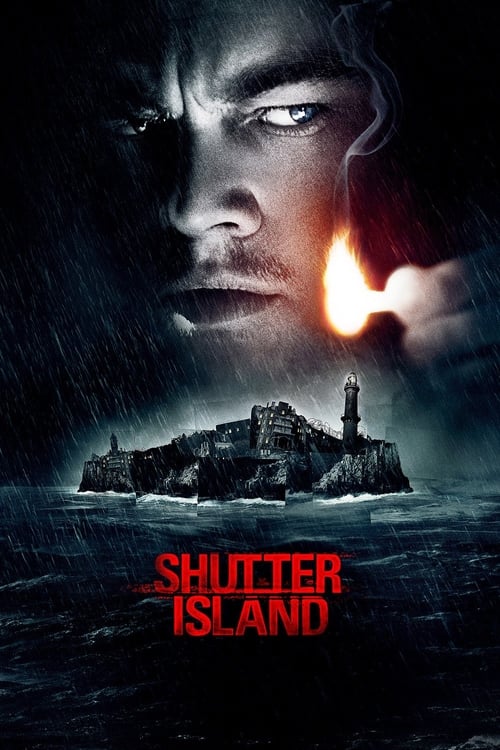
Shutter Island - Review
Shutter Island: A Psychological Labyrinth of Truth and Madness
The year is 1954. The place: Shutter Island, a windswept, isolated fortress housing Ashecliffe Hospital for the criminally insane. The mission: Investigate the baffling disappearance of a patient. Martin Scorsese's Shutter Island isn't just a thriller; it's a descent into the depths of the human psyche, a masterclass in suspense, and a film that lingers long after the credits roll. From its unsettling opening sequence to its haunting conclusion, Scorsese crafts a cinematic experience that challenges our perceptions of reality, sanity, and the very nature of truth. Prepare to be captivated, disturbed, and ultimately, questioning everything you thought you knew.
Plot: A Tangled Web of Mystery and Deception
The plot of Shutter Island centers around U.S. Marshal Teddy Daniels (Leonardo DiCaprio) and his new partner, Chuck Aule (Mark Ruffalo), who arrive at Ashecliffe Hospital to investigate the disappearance of Rachel Solando, a patient incarcerated for murdering her three children. The island itself is a character, shrouded in mist, secrets, and an unnerving atmosphere that immediately sets the stage for psychological unease. As Teddy and Chuck delve deeper into the investigation, they encounter resistance from the hospital's enigmatic staff, led by Dr. John Cawley (Ben Kingsley) and Dr. Jeremiah Naehring (Max von Sydow).
The clues are fragmented, the interviews are evasive, and the island seems to be actively conspiring against Teddy's search. He experiences vivid, disturbing dreams and flashbacks related to his experiences as a soldier during World War II and the tragic loss of his wife, Dolores (Michelle Williams), in a fire. These visions blur the lines between reality and illusion, fueling his growing paranoia and suspicion that something sinister is afoot at Ashecliffe. He suspects the hospital is conducting illegal experiments, possibly related to mind control or lobotomies, and that the staff is deliberately obstructing his investigation.
As Teddy pushes further, the investigation takes increasingly bizarre turns. He encounters a supposed former patient hiding in a cave who claims that Ashecliffe is a place of horrors. He also discovers a hidden ward, Ward C, which is rumored to house the most dangerous and disturbed individuals. The lines between hunter and hunted become increasingly blurred as Teddy's own sanity is questioned. The film expertly plants seeds of doubt throughout, leaving the audience constantly guessing whether Teddy is a reliable narrator or a victim of his own fractured mind.
The climax reveals a shocking truth: Teddy Daniels is not who he believes himself to be. He is, in fact, Andrew Laeddis, a patient at Ashecliffe Hospital who murdered his wife after she killed their children. The entire investigation has been an elaborate role-playing exercise orchestrated by Dr. Cawley and Dr. Sheehan (Chuck Aule's real identity) as a last-ditch effort to break through Andrew's delusion and help him confront his traumatic past. The final scene leaves the audience with a chilling ambiguity, questioning whether Andrew has genuinely accepted his reality or is simply relapsing into his fabricated identity.
Characters: Fractured Minds and Moral Ambiguity
The strength of Shutter Island lies not only in its intricate plot but also in its compelling and complex characters:
- Teddy Daniels/Andrew Laeddis (Leonardo DiCaprio): DiCaprio delivers a tour-de-force performance as both the determined U.S. Marshal and the deeply troubled Andrew Laeddis. He masterfully portrays the character's intensity, vulnerability, and descent into madness. DiCaprio's ability to convey both strength and fragility makes Teddy/Andrew a captivating and sympathetic figure, even as his actions become increasingly erratic and questionable.
- Chuck Aule/Dr. Sheehan (Mark Ruffalo): Ruffalo provides a steady and grounded presence as Chuck, offering a counterpoint to Teddy's growing paranoia. However, his true identity as Dr. Sheehan adds a layer of complexity to his performance. He portrays the doctor's genuine concern for Andrew while maintaining a professional detachment, creating a compelling dynamic between the two characters.
- Dr. John Cawley (Ben Kingsley): Kingsley embodies the calm and collected Dr. Cawley with an unsettling air of authority. He exudes an almost paternal concern for Andrew, but his motives remain ambiguous, leaving the audience questioning his true intentions until the very end. Kingsley's subtle performance adds to the film's overall sense of unease and uncertainty.
- Dolores Chanal (Michelle Williams): Although appearing primarily in flashbacks and dream sequences, Williams delivers a haunting and emotionally resonant performance as Dolores. She captures the character's fragility and the devastating impact of her mental illness on her family. Her scenes with DiCaprio are particularly powerful, adding a layer of tragic depth to Andrew's story.
- Dr. Jeremiah Naehring (Max von Sydow): Von Sydow's portrayal of Dr. Naehring is chillingly detached and subtly menacing. His brief but impactful scenes contribute to the overall atmosphere of dread and suspicion that permeates Ashecliffe Hospital.
The characters in Shutter Island are not simply good or evil; they are complex individuals grappling with their own inner demons and moral dilemmas. This ambiguity adds to the film's psychological depth and makes it a truly compelling character study.
Direction: Scorsese's Masterful Hand
Martin Scorsese's direction is nothing short of masterful. He expertly crafts a world of paranoia and psychological suspense, drawing the audience into Teddy/Andrew's fragmented perspective. Scorsese's signature style is evident throughout the film, from the dynamic camera movements to the meticulous attention to detail in the set design and costumes. He uses visual cues and atmospheric elements to create a sense of unease and disorientation, mirroring the protagonist's own mental state.
Scorsese's use of flashbacks and dream sequences is particularly effective. He seamlessly blends these sequences with the "reality" of the investigation, blurring the lines between past and present, truth and illusion. The dream sequences are visually striking and emotionally charged, offering glimpses into Andrew's traumatic past and his fractured psyche. Scorsese's ability to create a sense of psychological realism is crucial to the film's overall impact.
Furthermore, Scorsese's pacing is deliberate and precise. He slowly ratchets up the tension, building to a crescendo of revelation and emotional catharsis. The film never feels rushed or predictable, allowing the audience to fully immerse themselves in the mystery and the protagonist's psychological journey.
Cinematography: A Visual Feast of Darkness and Light
The cinematography of Shutter Island, helmed by Robert Richardson, is a visual feast of darkness and light, perfectly capturing the film's unsettling atmosphere. The use of shadows and contrasting colors creates a sense of unease and foreboding, mirroring the protagonist's psychological turmoil. The bleak and windswept landscapes of Shutter Island serve as a visual representation of Andrew's isolation and despair.
Richardson's use of camera angles and movements is also highly effective. He employs disorienting shots and unsettling perspectives to create a sense of unease and disorientation, mirroring Andrew's own mental state. The close-up shots of DiCaprio's face convey a range of emotions, from determination to fear to utter despair. The cinematography is not merely visually appealing; it is an integral part of the film's storytelling, enhancing the psychological impact of the narrative.
The color palette is predominantly muted and desaturated, reflecting the bleakness of the setting and the characters' inner turmoil. However, Scorsese and Richardson strategically use pops of color, particularly in the dream sequences, to create a sense of heightened emotion and surrealism. These visual contrasts add to the film's overall sense of unease and disorientation.
Performances: A Showcase of Acting Prowess
The performances in Shutter Island are uniformly excellent, showcasing the impressive acting prowess of the entire cast. Leonardo DiCaprio delivers a career-defining performance as Teddy/Andrew, capturing the character's intensity, vulnerability, and descent into madness with remarkable skill. His nuanced portrayal is both captivating and heartbreaking, drawing the audience into Andrew's psychological journey.
Mark Ruffalo provides a solid and grounded performance as Chuck/Dr. Sheehan, offering a counterpoint to DiCaprio's intensity. Ben Kingsley is chillingly effective as Dr. Cawley, exuding an unsettling air of authority and ambiguity. Michelle Williams delivers a haunting and emotionally resonant performance as Dolores, adding a layer of tragic depth to Andrew's story. Max von Sydow is subtly menacing as Dr. Naehring, contributing to the film's overall sense of unease.
The supporting cast is also excellent, contributing to the film's overall sense of realism and authenticity. The actors who play the patients at Ashecliffe Hospital are particularly effective, creating a disturbing and unsettling atmosphere.
Themes and Messages: Sanity, Truth, and the Nature of Reality
Shutter Island explores several complex themes and messages, including:
- The Nature of Sanity: The film challenges our understanding of sanity and mental illness, questioning the boundaries between reality and delusion. It suggests that sanity is not a fixed state but rather a fragile construct that can be easily shattered by trauma and psychological stress.
- The Power of Trauma: The film explores the devastating impact of trauma on the human psyche. Andrew's experiences as a soldier during World War II and the tragic loss of his family have left him deeply scarred, leading to his psychological breakdown.
- The Search for Truth: The film raises questions about the nature of truth and the difficulty of discerning reality from illusion. Teddy/Andrew's relentless pursuit of the truth ultimately leads him to confront his own distorted perceptions and accept the painful reality of his past.
- The Ethics of Mental Healthcare: The film raises ethical questions about the treatment of the mentally ill, particularly the use of experimental procedures and the potential for abuse within mental institutions.
- Guilt and Redemption: The film explores the themes of guilt and redemption, as Andrew grapples with the consequences of his actions and seeks to find meaning and purpose in his life.
Shutter Island is not simply a thriller; it is a thought-provoking exploration of the human condition, challenging us to confront our own perceptions of reality and to consider the complexities of mental illness.
Comparison to Other Films and Works
Shutter Island shares thematic and stylistic similarities with several other films and works, including:
- One Flew Over the Cuckoo's Nest (1975): Both films explore the themes of mental illness, institutional power, and the struggle for individual freedom within a mental institution.
- Jacob's Ladder (1990): Both films feature protagonists who are haunted by traumatic experiences and struggle to distinguish between reality and illusion.
- The Sixth Sense (1999): Both films employ a twist ending that recontextualizes the entire narrative, challenging the audience's perceptions of reality.
- Other works by Martin Scorsese: Shutter Island shares Scorsese's signature style, including dynamic camera movements, meticulous attention to detail, and a focus on morally ambiguous characters, with other films such as Taxi Driver and Goodfellas. The exploration of guilt, violence, and psychological turmoil are also recurring themes in his work.
Compared to Scorsese's other works, Shutter Island stands out for its overt embrace of psychological thriller elements and its ambiguous ending. While many of his films explore morally complex characters, Shutter Island delves deeper into the realm of psychological instability and the subjective nature of reality. DiCaprio's performance here can be compared to his work in The Aviator, another Scorsese film where he portrays a character struggling with mental illness.
Positive Aspects
- Intricate and Suspenseful Plot: The film's plot is expertly crafted, keeping the audience guessing until the very end.
- Masterful Direction by Martin Scorsese: Scorsese's direction is flawless, creating a world of paranoia and psychological suspense.
- Excellent Performances: The performances by Leonardo DiCaprio, Mark Ruffalo, Ben Kingsley, and the entire cast are uniformly excellent.
- Stunning Cinematography: The cinematography is visually striking and enhances the film's unsettling atmosphere.
- Thought-Provoking Themes: The film explores complex themes about sanity, truth, and the nature of reality.
Constructive Criticism
- Pacing in the Middle Act: While deliberate, the pacing in the middle act can feel slightly slow at times, potentially losing some viewers before the major reveals. Some trimming of the investigation scenes might have tightened the narrative.
- Reliance on Trope: The "twist ending" relies on a well-worn trope in psychological thrillers, which, while effective, might feel predictable to some seasoned viewers of the genre. A more subtle or nuanced approach to the reveal could have been more impactful.
- Overt Symbolism: At times, the symbolism can feel heavy-handed, particularly in the dream sequences. A more understated approach to the visual metaphors might have allowed the audience to draw their own conclusions more organically.
Conclusion
Shutter Island is a chilling and thought-provoking psychological thriller that showcases Martin Scorsese's masterful direction and Leonardo DiCaprio's exceptional acting prowess. While the film may rely on some familiar tropes and suffer from occasional pacing issues, its intricate plot, stunning visuals, and complex themes make it a truly unforgettable cinematic experience. It's a film that demands multiple viewings, as each viewing reveals new layers of meaning and nuance. Shutter Island is not just a movie; it's a journey into the darkest corners of the human mind, a journey that will leave you questioning everything you thought you knew about sanity, truth, and the nature of reality.
Rating: 9/10