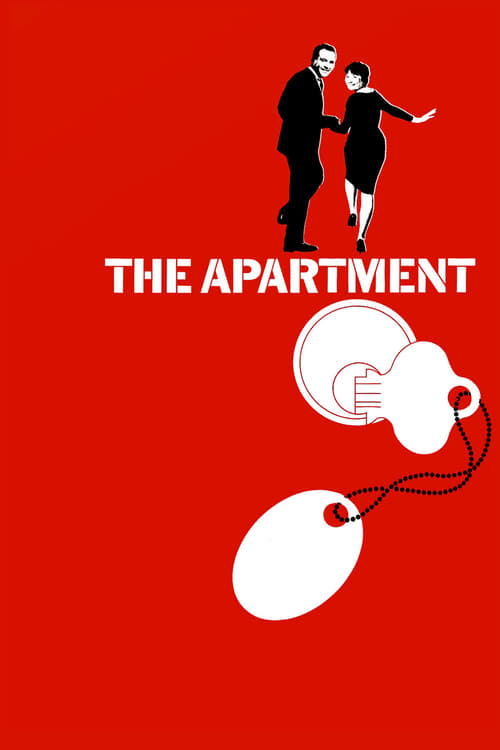
The Apartment - Review
The Apartment: A Bleak Comedy of Corporate America
Billy Wilder's The Apartment, released in 1960, is more than just a romantic comedy; it's a sharp, cynical, and ultimately poignant exploration of ambition, loneliness, and the human cost of corporate culture. It’s a film that manages to be both hilarious and heartbreaking, a testament to Wilder’s mastery of balancing light and dark. More than six decades after its release, The Apartment remains remarkably relevant, a biting commentary on the dehumanizing aspects of the modern workplace and the search for genuine connection in a world obsessed with superficial success. Prepare to be charmed, challenged, and deeply moved by this cinematic masterpiece.
Plot: Climbing the Ladder, Falling in Love
The film centers around Calvin Clifford "Bud" Baxter (Jack Lemmon), a low-level clerk at a massive New York insurance company. Bud, a fundamentally decent and unassuming man, discovers an unconventional way to advance his career: he lends out his Upper West Side apartment to his superiors for their extramarital affairs. He endures the inconvenience of being locked out of his own home, shivering in the cold, and cleaning up the messes left behind, all in the hope of promotions and a little bit of recognition.
This arrangement works well enough, bringing Bud incremental success, until he realizes he's in love with Fran Kubelik (Shirley MacLaine), a charming elevator operator at the same company. However, Fran is having an affair with the powerful and married personnel director, Jeff Sheldrake (Fred MacMurray), one of the executives using Bud's apartment. Bud is initially unaware of Fran's involvement with Sheldrake, and the realization that the woman he loves is entangled in the very system he's enabling throws his carefully constructed world into turmoil.
The situation escalates when Fran attempts suicide in Bud's apartment after Sheldrake promises to leave his wife but ultimately reneges. Bud, with the unexpected help of his neighbor, Dr. Dreyfuss (Jack Kruschen), nurses Fran back to health. During this time, their relationship deepens, and Bud begins to question the morality of his actions and the emptiness of his ambition. He must choose between continuing his climb up the corporate ladder or pursuing a genuine relationship with Fran, even if it means sacrificing everything he's worked for.
Characters: Portraits of Loneliness and Lost Souls
The strength of The Apartment lies not just in its plot, but also in its deeply human characters. Wilder masterfully portrays the loneliness and desperation that lurk beneath the surface of seemingly successful individuals.
Bud Baxter (Jack Lemmon)
Bud is the heart and soul of the film. Jack Lemmon delivers a career-defining performance as the perpetually put-upon but ultimately good-hearted clerk. He’s a man who craves acceptance and belonging, but his attempts to achieve them through corporate advancement only lead to further isolation. Lemmon perfectly captures Bud's vulnerability, his awkwardness, and his quiet yearning for something more meaningful. His transformation from a willing participant in the corporate game to a man willing to risk everything for love is the emotional core of the film. Bud's inherent decency shines through even when he's making questionable choices, making him a relatable and sympathetic character.
Fran Kubelik (Shirley MacLaine)
Shirley MacLaine is equally brilliant as Fran Kubelik, the seemingly cheerful elevator operator who hides a deep well of sadness and disillusionment. Fran is trapped in a destructive relationship with Sheldrake, clinging to the hope of a future that never materializes. MacLaine portrays Fran's vulnerability and inner turmoil with remarkable sensitivity. She's not simply a victim; she's a complex and flawed character who makes mistakes but ultimately seeks genuine love and happiness. Her resilience and her eventual decision to choose Bud over Sheldrake are both empowering and heartbreaking.
Jeff Sheldrake (Fred MacMurray)
Fred MacMurray, known for his roles in lighter fare, delivers a surprisingly nuanced performance as Jeff Sheldrake, the cold and calculating personnel director. Sheldrake is the embodiment of corporate amorality, using and discarding people without a second thought. He's a master manipulator who preys on Fran's vulnerability and Bud's ambition. While he may appear charming on the surface, his true nature is revealed through his callous treatment of both women in his life. MacMurray avoids making Sheldrake a simple villain, instead portraying him as a product of the ruthless corporate environment he inhabits.
Dr. Dreyfuss (Jack Kruschen)
Dr. Dreyfuss, Bud's neighbor, is a small but crucial character who provides a moral compass for the film. He's a wise and compassionate man who sees through Bud's charade and offers him much-needed guidance. His stern lecture to Bud about respecting his apartment and his own dignity is a pivotal moment in the film, forcing Bud to confront the consequences of his actions. Kruschen's performance is both humorous and heartfelt, adding a touch of warmth to the film's otherwise bleak landscape.
Direction and Cinematography: A Masterclass in Visual Storytelling
Billy Wilder's direction is impeccable, seamlessly blending comedy and drama with a masterful touch. He uses visual storytelling to great effect, conveying emotions and themes through subtle details and carefully composed shots.
Visual Language
Wilder's use of visual language is particularly noteworthy. The vast, impersonal office space of the insurance company is a visual representation of the dehumanizing nature of corporate life. The rows upon rows of desks, stretching into the distance, emphasize the anonymity and insignificance of the individual within the corporate machine. In contrast, Bud's apartment, though small and often invaded, represents a space of potential intimacy and connection.
The use of mirrors is another recurring motif, reflecting the characters' fractured identities and their attempts to project a false image of themselves. Fran's reflection in the elevator mirror, her face etched with sadness, speaks volumes about her inner turmoil.
Cinematography
Joseph LaShelle's black-and-white cinematography is stunning, creating a stark and evocative atmosphere. The use of deep focus allows for a greater sense of depth and realism, drawing the viewer into the world of the film. The lighting is particularly effective, highlighting the characters' emotional states and creating a sense of mood and atmosphere. The shadows that often engulf Bud's apartment reflect the darkness and moral ambiguity that pervade his life.
The camera work is also dynamic, with Wilder using a variety of shots and angles to create a sense of movement and energy. The long takes, particularly in the office scenes, emphasize the relentless pace of corporate life. The close-ups, on the other hand, allow the viewer to connect with the characters on a more intimate level.
Performances: A Triumph of Acting
The performances in The Apartment are uniformly excellent, with Jack Lemmon and Shirley MacLaine delivering career-defining performances. Fred MacMurray is also impressive as the morally ambiguous Jeff Sheldrake, and Jack Kruschen provides a memorable supporting performance as Dr. Dreyfuss.
Jack Lemmon
As previously mentioned, Jack Lemmon's portrayal of Bud Baxter is a masterclass in acting. He perfectly captures Bud's vulnerability, his awkwardness, and his quiet yearning for something more meaningful. Lemmon's comedic timing is impeccable, but he also brings a depth of emotion to the role that is truly heartbreaking. He manages to make Bud both sympathetic and relatable, even when he's making questionable choices.
Shirley MacLaine
Shirley MacLaine is equally brilliant as Fran Kubelik. She brings a warmth and vulnerability to the role that is truly captivating. MacLaine captures Fran's inner turmoil with remarkable sensitivity, making her a complex and believable character. Her chemistry with Lemmon is undeniable, and their scenes together are some of the most memorable in the film.
Fred MacMurray
Fred MacMurray's performance as Jeff Sheldrake is a revelation. He sheds his usual wholesome image to portray a cold and calculating corporate executive. MacMurray avoids making Sheldrake a simple villain, instead portraying him as a product of the ruthless corporate environment he inhabits. His performance is both chilling and believable.
Themes and Messages: Loneliness, Ambition, and Morality
The Apartment explores a number of important themes, including loneliness, ambition, and morality. The film is a biting commentary on the dehumanizing aspects of corporate culture and the search for genuine connection in a world obsessed with superficial success.
Loneliness
Loneliness is a pervasive theme throughout the film. Bud is isolated and alone, despite being surrounded by people at work. He uses his apartment as a means of gaining acceptance and advancement, but this only leads to further isolation. Fran is also lonely, trapped in a destructive relationship with Sheldrake and clinging to the hope of a future that never materializes. The film suggests that loneliness is a common experience in modern society, particularly in the impersonal world of corporate America.
Ambition
Ambition is another key theme. Bud is driven by a desire to climb the corporate ladder, but his ambition comes at a cost. He compromises his values and his dignity in order to gain the approval of his superiors. The film questions the value of ambition, suggesting that it can be a destructive force if it is not tempered by morality and compassion.
Morality
Morality is a central concern of the film. Bud is forced to confront the consequences of his actions and to choose between continuing his climb up the corporate ladder or pursuing a genuine relationship with Fran. The film suggests that true happiness and fulfillment can only be found by living a moral and ethical life.
Comparison to Other Films and Works
The Apartment can be compared to other films that explore similar themes of corporate alienation and the search for meaning in modern life. Films like Office Space and American Beauty, while more overtly satirical, share a similar critique of the dehumanizing aspects of corporate culture. Wilder's own filmography, particularly Some Like It Hot and Sunset Boulevard, also shares a similar blend of comedy and darkness.
The Apartment is also notable for its influence on subsequent films. Its exploration of loneliness and its unconventional romantic plot have inspired countless filmmakers. The film's witty dialogue and its sharp social commentary continue to resonate with audiences today.
Positive Aspects
The Apartment is a masterpiece of filmmaking. Its strengths include:
- Brilliant Direction: Billy Wilder's direction is flawless, seamlessly blending comedy and drama.
- Exceptional Performances: Jack Lemmon and Shirley MacLaine deliver career-defining performances.
- Stunning Cinematography: Joseph LaShelle's black-and-white cinematography is evocative and atmospheric.
- Sharp Writing: The screenplay is witty, insightful, and deeply moving.
- Timeless Themes: The film explores themes that are still relevant today, such as loneliness, ambition, and morality.
Constructive Criticism
While The Apartment is a near-perfect film, some minor criticisms can be made:
- Pacing: The film's pacing can feel slightly slow at times, particularly in the middle act.
- Sheldrake's Character: While Fred MacMurray's performance is excellent, Sheldrake's character could have been further developed to explore the motivations behind his actions.
Conclusion
The Apartment is a timeless classic that continues to resonate with audiences today. It's a film that is both hilarious and heartbreaking, a testament to Billy Wilder's mastery of balancing light and dark. The film's exploration of loneliness, ambition, and morality is as relevant now as it was in 1960. With its brilliant direction, exceptional performances, and sharp writing, The Apartment is a must-see for any film enthusiast. It's a film that will stay with you long after the credits roll, prompting you to reflect on your own life and the choices you make.
Rating: 10/10