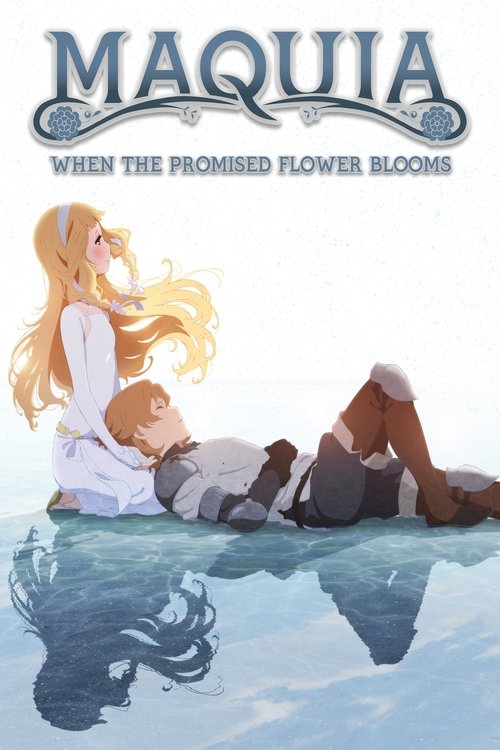
Maquia: When the Promised Flower Blooms - Review
Maquia: When the Promised Flower Blooms - A Timeless Tale of Motherhood and Sacrifice
Mari Okada's directorial debut, Maquia: When the Promised Flower Blooms (さよならの朝に約束の花をかざろう, Sayonara no Asa ni Yakusoku no Hana o Kazarō), is not just another animated fantasy film; it's a deeply moving and emotionally resonant exploration of motherhood, loss, and the enduring power of love in the face of inevitable change. Released in 2018, the film immediately captivated audiences with its stunning visuals, intricate world-building, and, most importantly, its profoundly human story. While the fantasy elements provide a compelling backdrop, it's the core relationship between Maquia, an immortal Iorph, and Ariel, the human boy she raises, that truly anchors the narrative and elevates it to something truly special. Prepare to be swept away by a whirlwind of emotions as we delve into the intricate details of this modern animated masterpiece.
Plot: A Journey Through Time and Emotion
The story unfolds in a world where the Iorph, a race of long-lived beings, weave Hibiol, tapestries that chronicle the passage of time. Maquia, a young Iorph girl, lives a secluded life, warned never to fall in love with an outsider lest she experience true loneliness. This warning proves tragically prophetic when the kingdom of Mezarte, driven by a king desperate to secure immortality, invades the Iorph homeland. The Mezarte, using the remnants of the Renato dragons they control, seek to exploit the Iorph's longevity. During the chaos, Maquia is separated from her people and stumbles upon a human infant in a ravaged village. Overwhelmed by a surge of maternal instinct, she names him Ariel and vows to raise him as her own.
The film then follows Maquia and Ariel's journey through the years. Maquia struggles to adapt to the human world, learning how to care for Ariel while concealing her own unchanging youth. As Ariel grows, their relationship evolves, facing the challenges of a mother-son dynamic complicated by their vastly different lifespans. Ariel grapples with his identity, his place in the world, and the knowledge that his "mother" will always remain young. The narrative skillfully interweaves their personal story with the political machinations of Mezarte, showcasing the impact of war and the yearning for freedom.
The plot is not without its complexities. The political landscape of Mezarte, with its internal conflicts and power struggles, adds depth to the story but can occasionally feel dense. The introduction of other characters, such as Leilia, another Iorph captured by the Mezarte royal family, and Izuru, a childhood friend of Ariel's who harbors unrequited feelings for him, enriches the narrative but also contributes to a sprawling cast. However, these complexities ultimately serve to highlight the themes of family, belonging, and the sacrifices we make for those we love.
Characters: A Symphony of Emotions
The strength of Maquia lies in its deeply developed and relatable characters. Each character, even those with limited screen time, feels distinct and contributes to the overall emotional impact of the film.
Maquia
Maquia is the heart and soul of the film. Initially portrayed as a naive and somewhat timid young girl, she undergoes a profound transformation as she embraces motherhood. Her unwavering love for Ariel, her determination to protect him, and her willingness to sacrifice her own happiness for his well-being make her a truly compelling protagonist. Her internal struggles, her fear of losing Ariel, and her longing for her lost home are all portrayed with nuance and sensitivity. Her immortality becomes a source of both strength and sorrow, highlighting the bittersweet nature of her existence.
Ariel
Ariel's character arc is equally compelling. He starts as an innocent infant, completely dependent on Maquia. As he grows, he struggles to understand his mother's unchanging appearance and the nature of their unique relationship. He grapples with feelings of inadequacy, a desire to protect Maquia, and a longing to find his own place in the world. His eventual decision to join the army, driven by a desire to protect Maquia and the people he cares about, showcases his growth and maturity.
Leilia
Leilia, another Iorph captured by the Mezarte, provides a contrasting perspective on motherhood and sacrifice. Forced to bear a child for the royal family, she experiences a different kind of loss and isolation. Her storyline, while tragic, adds another layer of complexity to the film's exploration of motherhood. Her longing for her own people and her eventual decision to distance herself from her child highlight the devastating consequences of war and oppression.
Isolde
Isolde, Leilia's daughter, is another character who experiences a unique form of isolation. Due to her Iorph blood, she ages slower than normal humans but faster than her Iorph mother. This puts her in an awkward position, not truly belonging to either world. The film portrays the effects of her mixed heritage and her own desire for a normal life. Her connection with Maquia is subtle but emotionally powerful.
Lang
Lang, a soldier who serves as a mentor and friend to Ariel, provides a grounded perspective on the human world. His experiences in war and his loyalty to his comrades offer a counterpoint to the more fantastical elements of the story. He acts as a father figure to Ariel, offering guidance and support as he navigates the complexities of adulthood.
Direction: Mari Okada's Masterful Debut
Mari Okada's direction is nothing short of masterful. As a seasoned screenwriter known for her work on anime such as Anohana: The Flower We Saw That Day and The Anthem of the Heart, Okada brings a deep understanding of character development and emotional storytelling to her directorial debut. She skillfully balances the fantastical elements of the world with the deeply human emotions of the characters. Her attention to detail, her use of symbolism, and her ability to evoke a wide range of emotions make Maquia a truly unforgettable experience.
Okada's direction is particularly evident in the way she portrays the relationship between Maquia and Ariel. She avoids sentimentality and instead focuses on the complexities of their bond, showcasing both the joys and the challenges of their unconventional family. The film's pacing is deliberate, allowing the audience to fully immerse themselves in the world and connect with the characters on a deeper level.
Furthermore, Okada's experience as a screenwriter shines through in the film's dialogue. The conversations between the characters are natural and authentic, revealing their personalities and motivations. The use of silence and visual storytelling is also effective, allowing the emotions to speak for themselves.
Cinematography: A Visual Feast
The film's cinematography is breathtaking. The animation, produced by P.A. Works, is visually stunning, with vibrant colors, detailed character designs, and meticulously crafted backgrounds. The world of Maquia feels both fantastical and grounded, creating a sense of immersion that draws the viewer in. The use of light and shadow is particularly effective, enhancing the emotional impact of the scenes.
The animation style is reminiscent of other P.A. Works productions, such as Angel Beats! and Shirobako, but with a distinct visual identity. The character designs are expressive and nuanced, capturing the characters' emotions with subtle gestures and facial expressions. The action sequences are fluid and dynamic, adding excitement and tension to the narrative.
The film's use of color is particularly noteworthy. The vibrant colors of the Iorph homeland contrast sharply with the muted tones of the human world, reflecting the different cultures and environments. The use of symbolism, such as the recurring motif of flowers, adds another layer of meaning to the visuals.
Performances: Voices That Resonate
The voice acting in Maquia is exceptional, both in the original Japanese and the English dub. Each voice actor brings their character to life with nuance and emotion. Manaka Iwami's portrayal of Maquia is particularly noteworthy, capturing her vulnerability, her strength, and her unwavering love for Ariel. Miyu Irino's performance as Ariel is equally impressive, showcasing his growth from an innocent child to a mature young man.
The supporting cast also delivers strong performances. Ai Kayano's portrayal of Leilia is heartbreaking, capturing her isolation and her longing for her lost home. Yuki Kaji's performance as Lang is grounded and supportive, providing a sense of stability to the narrative. The English dub, directed by Stephanie Sheh, is also well-executed, with a talented cast that captures the essence of the characters.
Themes and Messages: Exploring the Essence of Motherhood and Loss
Maquia: When the Promised Flower Blooms is a film rich in themes and messages. At its core, it's an exploration of motherhood in all its forms. The film challenges traditional notions of family, suggesting that love and connection are more important than blood ties. Maquia's unwavering dedication to Ariel, despite their different lifespans, highlights the enduring power of maternal love.
The film also explores the themes of loss and sacrifice. Maquia's loss of her home and her people, Leilia's separation from her child, and Ariel's eventual departure from Maquia all highlight the inevitability of change and the sacrifices we make for those we love. The film suggests that even in the face of loss, love can endure and provide meaning to our lives.
Furthermore, Maquia explores the impact of war and oppression. The Mezarte's invasion of the Iorph homeland and their exploitation of the Renato dragons serve as a cautionary tale about the dangers of unchecked power and the importance of fighting for freedom. The film also highlights the resilience of the human spirit and the ability to find hope even in the darkest of times.
Finally, the film touches upon the theme of identity. Ariel's struggle to understand his place in the world, his desire to protect Maquia, and his eventual decision to forge his own path all speak to the universal human experience of searching for identity and belonging.
Comparison: A Unique Blend of Fantasy and Emotion
Maquia: When the Promised Flower Blooms can be compared to other animated fantasy films that explore themes of family and loss, such as Wolf Children and Grave of the Fireflies. However, Maquia distinguishes itself with its unique blend of fantasy elements and its focus on the complexities of motherhood. While Wolf Children explores the challenges of raising children in a changing world, and Grave of the Fireflies depicts the devastating consequences of war on a young family, Maquia delves into the unique dynamic between an immortal mother and her mortal son.
Mari Okada's previous work as a screenwriter, particularly on Anohana: The Flower We Saw That Day, also shares thematic similarities with Maquia. Both works explore the themes of loss, grief, and the enduring power of friendship. However, Maquia is a more ambitious and visually stunning work, showcasing Okada's growth as a storyteller and her ability to create emotionally resonant experiences.
Positive Aspects: A Triumph of Storytelling and Animation
Maquia: When the Promised Flower Blooms is a triumph of storytelling and animation. Its strengths lie in its deeply developed characters, its intricate world-building, its stunning visuals, and its emotionally resonant themes. The film's ability to evoke a wide range of emotions, from joy and hope to sadness and grief, is a testament to Mari Okada's skill as a director and writer. The voice acting is exceptional, both in the original Japanese and the English dub. The film's pacing is deliberate, allowing the audience to fully immerse themselves in the world and connect with the characters on a deeper level.
Constructive Criticism: Minor Flaws in an Otherwise Masterful Work
While Maquia: When the Promised Flower Blooms is a remarkable film, it is not without its minor flaws. The political landscape of Mezarte, with its internal conflicts and power struggles, can occasionally feel dense and confusing. The introduction of numerous characters, while enriching the narrative, can also make it difficult to keep track of everyone. The film's pacing, while deliberate, may feel slow to some viewers. However, these minor flaws are overshadowed by the film's many strengths.
Conclusion: A Timeless Masterpiece
Maquia: When the Promised Flower Blooms is a timeless masterpiece that will resonate with audiences for years to come. Its exploration of motherhood, loss, and the enduring power of love is both deeply moving and profoundly human. Mari Okada's directorial debut is a triumph, showcasing her skill as a storyteller and her ability to create emotionally resonant experiences. The film's stunning visuals, exceptional voice acting, and intricate world-building make it a truly unforgettable experience. Whether you are a fan of animation, fantasy, or simply a lover of good storytelling, Maquia: When the Promised Flower Blooms is a film that you will not want to miss.