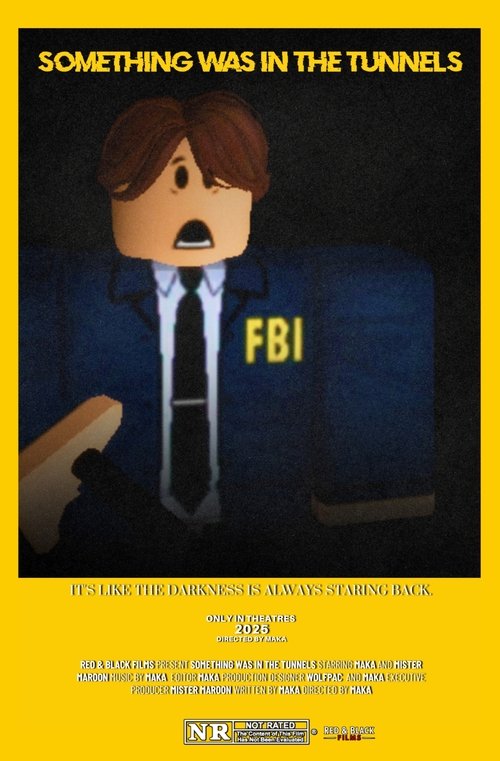
Something Was in the Tunnels Vol. 1 - Review
Something Was in the Tunnels Vol. 1: A Descent into Darkness and Doubt
The urban legend of the "Murder Tunnels" has haunted the fringes of cinematic horror for years, whispered about in online forums and fueling countless sleepless nights. Now, in Something Was in the Tunnels Vol. 1, director Elias Thorne, known for his unsettling psychological thrillers, plunges us headfirst into this terrifying labyrinth, crafting a film that's equal parts mystery, drama, and bone-chilling horror. But is this descent worth taking, or does it get lost in the darkness?
Plot: A Brother's Grief, a City's Fear
The film centers on Danny Feather (played with a raw intensity by newcomer Ethan Blake), a young man grappling with the recent, mysterious death of his older brother, Mark, within the infamous "Murder Tunnels." These tunnels, a sprawling network beneath the city, earned their sinister moniker years ago thanks to a serial killer, known only as "The Tunnel Man," who preyed on the vulnerable and left a trail of terror. The chilling twist? The Tunnel Man is currently serving a life sentence, seemingly incapable of committing the act that claimed Mark's life.
Danny, fueled by grief and an unwavering suspicion that the official explanation is a lie, embarks on a perilous journey to uncover the truth. He delves into the tunnels, armed with a flashlight, a shaky camera, and a burning desire for answers. His investigation quickly leads him down a rabbit hole of conspiracy theories, urban legends, and encounters with the city's underbelly – a cast of characters as unsettling and unpredictable as the tunnels themselves. From homeless individuals who claim to have seen strange creatures lurking in the shadows to former investigators haunted by the Tunnel Man's crimes, Danny finds himself surrounded by a web of secrets and lies.
The narrative structure is deliberately fragmented, mirroring Danny's fractured mental state and the disorienting nature of the tunnels. Flashbacks offer glimpses into Danny and Mark's relationship, painting a picture of brotherly love and shared dreams, adding emotional weight to Danny's quest for justice. However, this fragmented approach occasionally falters, leading to moments of confusion and a sense that the plot is meandering rather than progressing. The film’s pacing, while generally effective in building suspense, suffers from occasional lulls, particularly in the middle act, where Danny's investigation feels repetitive.
Characters: Haunted Souls in a Concrete Maze
Ethan Blake delivers a standout performance as Danny Feather. He perfectly captures Danny's vulnerability, his grief-stricken determination, and his growing paranoia as he descends further into the darkness. Blake's portrayal is grounded and believable, making Danny a relatable and sympathetic protagonist, even as his actions become increasingly reckless.
The supporting cast is equally compelling. Veteran actor Sarah Jenkins delivers a nuanced performance as Detective Mallory, a former lead investigator on the Tunnel Man case, now burdened by the unresolved trauma of her past. Mallory serves as a reluctant mentor to Danny, offering cryptic clues and warnings that only deepen the mystery. Her internal conflict – her desire to help Danny while simultaneously fearing what he might uncover – is palpable and adds another layer of complexity to the narrative.
The film also features a memorable performance from Samuel Davis as "Rat," a homeless man who lives in the tunnels and claims to be a witness to strange occurrences. Davis imbues Rat with a unsettling mix of paranoia and genuine fear, making him a compelling and unpredictable presence. While Rat’s character is arguably a collection of familiar tropes, Davis’s performance elevates him beyond mere caricature.
One of the film's strengths lies in its refusal to paint its characters as purely good or evil. Each character is flawed and complex, driven by their own motivations and haunted by their own demons. This moral ambiguity adds to the film's sense of unease and makes it difficult to predict who can be trusted.
Direction and Cinematography: Painting Fear with Light and Shadow
Elias Thorne's direction is masterful in creating a claustrophobic and unsettling atmosphere. He utilizes the tunnels' natural darkness and confined spaces to maximum effect, creating a sense of dread that permeates every scene. The film is shot primarily in a handheld, documentary-style, giving it a gritty and realistic feel. This approach effectively immerses the viewer in Danny's perspective, making us feel as if we are right there with him, navigating the treacherous tunnels and experiencing his growing fear.
The cinematography, helmed by the talented Anya Petrova, is a standout element of the film. Petrova masterfully uses light and shadow to create a visually striking and unsettling aesthetic. The tunnels are rendered in stark, contrasting tones, with pools of darkness concealing unknown dangers. The limited lighting adds to the sense of claustrophobia and makes every shadow seem potentially menacing. Petrova's use of close-ups effectively conveys the characters' emotional states, highlighting their fear, desperation, and growing paranoia.
Thorne’s decision to use practical effects over CGI is a welcome one, lending a visceral and believable quality to the film's horror elements. The few instances of gore are impactful and unsettling, adding to the overall sense of dread.
However, the reliance on handheld camerawork, while generally effective, occasionally becomes distracting, particularly during action sequences. The shaky camera can make it difficult to follow the action and can induce motion sickness in some viewers.
Themes and Messages: The Darkness Within and Without
Something Was in the Tunnels Vol. 1 explores several compelling themes, including grief, obsession, the corrupting influence of fear, and the blurred lines between reality and delusion. Danny's grief over his brother's death is the driving force behind his actions, but his obsession with uncovering the truth gradually consumes him, blurring the lines between justice and self-destruction.
The film also delves into the psychological impact of trauma and the ways in which fear can distort perception. The characters who have been touched by the Tunnel Man's crimes are all haunted by their experiences, struggling to cope with the lingering effects of their trauma. The film suggests that the true horror lies not just in the physical dangers of the tunnels, but also in the psychological toll they take on those who venture within.
Furthermore, the film raises questions about the nature of evil and the possibility of something truly malevolent lurking beneath the surface of society. The mystery surrounding the Tunnel Man's crimes, and the possibility that someone or something else is responsible for Mark's death, challenges our understanding of justice and the limits of human comprehension.
The film also touches upon themes of urban decay and social inequality. The tunnels serve as a refuge for the homeless and marginalized, highlighting the city's failure to provide for its most vulnerable citizens. This social commentary adds another layer of depth to the film, suggesting that the darkness within the tunnels is a reflection of the darkness within society itself.
Comparisons: Echoes of the Past, a New Voice
Something Was in the Tunnels Vol. 1 draws comparisons to several other films in the horror and thriller genres. Its claustrophobic atmosphere and sense of paranoia are reminiscent of films like The Descent and As Above, So Below, both of which explore the terrors of confined spaces. The film's mystery elements and focus on a troubled protagonist investigating a dark secret also echo films like Se7en and Zodiac.
Elias Thorne's previous work, including the critically acclaimed psychological thriller The Silent Echo, shares several thematic similarities with Something Was in the Tunnels Vol. 1. Both films explore the psychological impact of trauma and the ways in which the past can haunt the present. However, Something Was in the Tunnels Vol. 1 is a more ambitious and visually striking film than The Silent Echo, showcasing Thorne's growth as a director.
Ethan Blake's performance as Danny Feather has been compared to the early work of Jake Gyllenhaal, particularly his roles in films like Donnie Darko and Prisoners. Blake's ability to convey vulnerability and intensity makes him a compelling and promising young actor.
However, Something Was in the Tunnels Vol. 1 ultimately carves its own path, offering a unique blend of horror, mystery, and drama that sets it apart from its predecessors. Thorne's distinct directorial style and the film's compelling characters make it a memorable and unsettling experience.
Positive Aspects: A Masterful Descent
Something Was in the Tunnels Vol. 1 excels in several key areas:
- Atmosphere: The film's claustrophobic and unsettling atmosphere is its greatest strength. Thorne's masterful direction and Petrova's stunning cinematography create a sense of dread that permeates every scene.
- Performances: Ethan Blake delivers a breakout performance as Danny Feather, and the supporting cast is equally strong. The characters are complex and believable, adding emotional depth to the narrative.
- Themes: The film explores several compelling themes, including grief, obsession, and the corrupting influence of fear. The social commentary adds another layer of depth to the narrative.
- Practical Effects: The film's reliance on practical effects lends a visceral and believable quality to the horror elements.
Constructive Criticism: Room for Improvement
While Something Was in the Tunnels Vol. 1 is a strong film, it is not without its flaws:
- Pacing: The film's pacing occasionally falters, particularly in the middle act. Some scenes feel repetitive and could have been trimmed to improve the overall flow of the narrative.
- Handheld Camerawork: The reliance on handheld camerawork, while generally effective, occasionally becomes distracting and can induce motion sickness in some viewers.
- Fragmented Narrative: The fragmented narrative, while intended to mirror Danny's fractured mental state, occasionally leads to confusion and a sense that the plot is meandering.
- Ending: The ending, while leaving the door open for a sequel, feels somewhat abrupt and unsatisfying. A more conclusive resolution would have been appreciated.
Conclusion: A Chilling Beginning
Something Was in the Tunnels Vol. 1 is a compelling and unsettling horror-thriller that effectively blends mystery, drama, and bone-chilling suspense. Elias Thorne's masterful direction, Ethan Blake's captivating performance, and Anya Petrova's stunning cinematography create a truly immersive and terrifying experience. While the film suffers from some minor pacing issues and a somewhat abrupt ending, its strengths far outweigh its weaknesses. This is a film that will stay with you long after the credits roll, leaving you questioning what truly lurks in the darkness, both within the tunnels and within ourselves. The promise of "Vol. 1" suggests more horrors to come, and I, for one, am eager to descend further into this terrifying world.
Rating: 8.5/10