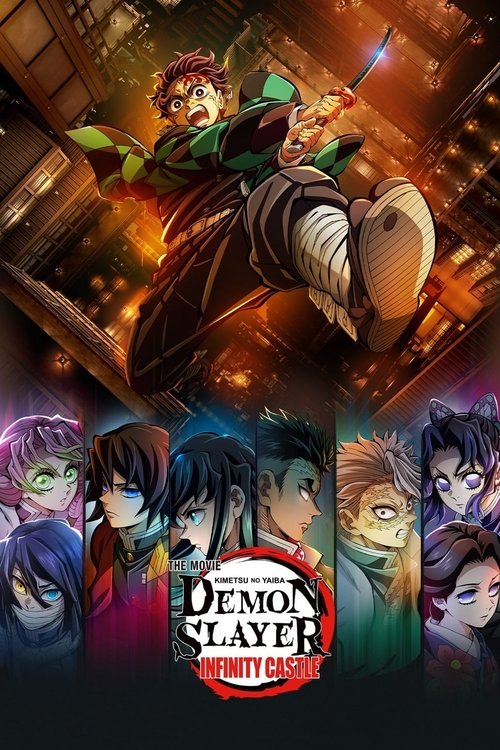
Demon Slayer: Kimetsu no Yaiba Infinity Castle - Review
Demon Slayer: Kimetsu no Yaiba Infinity Castle - A Descent into Animated Hell and Heroic Glory
The wait is over. After years of anticipation, the Demon Slayer Corps’ final stand against Muzan Kibutsuji has arrived in the form of Demon Slayer: Kimetsu no Yaiba Infinity Castle. This cinematic adaptation of the climactic Infinity Castle arc is not just a movie; it's a visceral, breathtaking plunge into the abyss of demon-infested depths, a visually stunning spectacle, and an emotionally charged conclusion (or near conclusion, depending on how they're splitting the arcs) to the saga we've come to adore. But does it live up to the monumental hype? Buckle up, demon slayers, as we delve deep into the heart of the Infinity Castle and dissect every bloody, beautiful detail.
Plot: A Whirlwind of Action and Despair
The film wastes no time throwing viewers directly into the thick of things. Following a brief recap of the Hashira Training arc (which, thankfully, doesn't feel like a blatant rehash for those who've kept up with the anime and manga), Muzan's sudden and terrifying assault on the Ubuyashiki Mansion kicks off the main event. This initial attack is a masterclass in suspense, showcasing Muzan's raw power and ruthlessness with devastating efficiency. The animation during this sequence is particularly striking, highlighting the sheer speed and brutality of the demon lord.
The subsequent descent into the Infinity Castle is a dizzying, disorienting experience, perfectly mirroring the chaos and uncertainty faced by Tanjiro and the Hashira. The narrative cleverly separates the main characters, forcing them into individual battles against formidable Upper Rank demons. This allows for focused character development and allows each Hashira to truly shine, showcasing their unique fighting styles and backstories. The pacing, however, is a double-edged sword. While the constant action keeps the energy high, it occasionally sacrifices deeper exploration of the emotional toll this final battle takes on the characters. Certain fights, while visually spectacular, feel rushed, leaving the audience wanting more.
The film juggles multiple storylines effectively, switching between Tanjiro's desperate struggle, the Hashira's grueling battles, and the desperate attempts of Nezuko and the remaining Demon Slayer Corps members to support their comrades. This interwoven narrative creates a sense of urgency and highlights the collaborative nature of the fight against Muzan. However, newcomers to the Demon Slayer universe might find themselves overwhelmed by the sheer number of characters and their respective powers. A slightly more streamlined introduction to the Hashira and their abilities might have been beneficial.
Characters: Growth, Sacrifice, and Unwavering Resolve
Infinity Castle shines brightest when it comes to character development. Tanjiro, as always, is the unwavering heart of the story. His determination to protect his friends and defeat Muzan is infectious, and his growth as a swordsman and a leader is palpable. The film delves deeper into his connection with the Hinokami Kagura, revealing more about its origins and its significance in the fight against Muzan. His internal struggles, particularly the burden of responsibility he carries, are portrayed with nuance and sensitivity.
The Hashira, previously relegated to supporting roles, are finally given their due. Each Hashira gets their moment to shine, showcasing their individual strengths, weaknesses, and backstories. Kyojuro Rengoku's influence is still felt deeply, inspiring the other Hashira to push beyond their limits. We see the stoic Giyu Tomioka confront his past trauma, the eccentric Shinobu Kocho grapple with her desire for revenge, and the flamboyant Tengen Uzui embrace his duty as a protector. The film doesn't shy away from exploring their vulnerabilities, making them feel more human and relatable.
The Upper Rank demons are equally compelling, each possessing unique powers and twisted motivations. Doma, the Upper Rank Two, is particularly chilling, his cheerful demeanor masking a truly sadistic nature. His fight against Shinobu is one of the most emotionally charged sequences in the film, showcasing the devastating consequences of his actions. Akaza, the Upper Rank Three, continues to be a formidable opponent, his unwavering belief in strength and his refusal to acknowledge weakness serving as a stark contrast to Tanjiro's compassionate nature. The film provides glimpses into their pasts, offering a disturbing insight into the events that led them to become demons. However, some of the Upper Rank demons feel underdeveloped, their motivations remaining somewhat ambiguous.
Nezuko, while not as central to the action as in previous installments, plays a crucial role in supporting Tanjiro and the other Demon Slayers. Her evolving demonic powers and her unwavering loyalty to her brother are a testament to the enduring power of family. Zenitsu and Inosuke, the comedic relief duo, provide much-needed moments of levity amidst the intense action. While their antics can occasionally feel jarring, they ultimately serve to remind us of the humanity that the Demon Slayers are fighting to protect.
Direction: A Symphony of Action and Emotion
Haruo Sotozaki returns as director, and his masterful touch is evident throughout the film. He expertly balances the intense action sequences with moments of quiet reflection, allowing the audience to connect with the characters on an emotional level. The pacing, while occasionally uneven, generally keeps the energy high and the narrative moving forward. Sotozaki's understanding of the source material is clear, and he faithfully adapts the most iconic moments from the manga while adding his own cinematic flair.
The action choreography is breathtaking, showcasing the unique fighting styles of each character. The battles are dynamic, fluid, and visually stunning, with each strike and parry conveying a sense of weight and impact. The use of CGI is seamless, blending seamlessly with the traditional animation to create a truly immersive experience. However, some of the more elaborate techniques, particularly the Hashira's signature moves, can occasionally feel overwhelming, bordering on sensory overload. A slightly more restrained approach might have been beneficial in certain instances.
Sotozaki's direction also shines in the quieter moments, particularly the flashbacks that delve into the characters' pasts. These sequences are handled with sensitivity and nuance, providing valuable context for their present-day actions. The use of music and sound design is particularly effective in these moments, enhancing the emotional impact of the scenes. The film's overall tone is dark and somber, reflecting the gravity of the situation, but there are also moments of hope and resilience that shine through.
Cinematography: A Visual Feast for the Eyes
The visual style of Infinity Castle is nothing short of spectacular. Ufotable's animation studio has truly outdone themselves, creating a visually stunning world that is both beautiful and terrifying. The character designs are faithful to the source material, but they are also enhanced with intricate details and expressive animation. The backgrounds are richly detailed and atmospheric, creating a sense of depth and immersion.
The use of color is particularly striking, with vibrant hues used to highlight the characters' emotions and the intensity of the battles. The lighting is also expertly crafted, creating a sense of mood and atmosphere. The Infinity Castle itself is a visual masterpiece, a labyrinthine structure that defies logic and gravity. The shifting corridors and hidden chambers are rendered with incredible detail, creating a sense of unease and disorientation.
The camera work is dynamic and engaging, constantly moving and shifting to keep the audience on the edge of their seats. The use of slow-motion and close-ups is particularly effective in highlighting the impact of the battles and the characters' emotional responses. However, the sheer visual intensity of the film can be overwhelming at times, particularly during the more chaotic action sequences. A slightly more restrained approach to the cinematography might have been beneficial in certain instances.
Performances: Bringing the Characters to Life
The voice acting in Infinity Castle is exceptional, with each actor perfectly capturing the essence of their respective character. Natsuki Hanae delivers a powerful and nuanced performance as Tanjiro, conveying his unwavering determination and his deep compassion. Akari Kito brings a sense of vulnerability and strength to Nezuko, while Hiro Shimono and Yoshitsugu Matsuoka provide much-needed comedic relief as Zenitsu and Inosuke, respectively.
The performances of the voice actors portraying the Hashira are equally impressive. Each actor brings their own unique flair to their character, showcasing their individual personalities and backstories. The voice actors portraying the Upper Rank demons are particularly chilling, conveying their twisted motivations and their terrifying power. The performances are all the more impressive considering the emotional range required, from moments of quiet reflection to moments of intense rage and despair.
The English dub, while generally well-executed, occasionally lacks the emotional depth and nuance of the original Japanese voice acting. However, the English dub is still a perfectly acceptable option for those who prefer to watch the film in their native language.
Themes and Messages: Family, Sacrifice, and the Will to Fight
Infinity Castle explores a variety of complex themes, including the importance of family, the power of sacrifice, and the unwavering will to fight for what is right. The bond between Tanjiro and Nezuko is at the heart of the story, serving as a constant reminder of the importance of family and the lengths we will go to protect those we love. The Hashira's willingness to sacrifice themselves for the greater good is a testament to their unwavering dedication to the Demon Slayer Corps.
The film also explores the themes of loss, grief, and trauma. Many of the characters have suffered immense loss, and they are constantly grappling with the emotional scars of their past experiences. However, they refuse to be defined by their trauma, instead using it as motivation to fight for a better future. The film also touches on the themes of prejudice and discrimination, highlighting the importance of empathy and understanding.
Ultimately, Infinity Castle is a story about hope and resilience. Even in the face of overwhelming adversity, the characters never give up hope, and they continue to fight for a world free from demons. The film's message is clear: even in the darkest of times, the human spirit can endure.
Comparison to Other Works
Infinity Castle is a clear step up in terms of animation and visual spectacle compared to previous Demon Slayer installments, including the "Mugen Train" movie and the various anime seasons. The battles are more intense, the characters are more developed, and the overall story is more compelling. The film also benefits from the experience gained by Ufotable over the years, allowing them to push the boundaries of animation and visual storytelling.
Compared to other anime films such as Your Name. or Weathering with You, Infinity Castle is less focused on romance and more on action and character development. However, the film shares a similar level of visual polish and emotional depth. Compared to other shonen anime films, such as Dragon Ball Super: Broly or My Hero Academia: Two Heroes, Infinity Castle is more mature and complex, exploring darker themes and more nuanced characters.
Director Haruo Sotozaki's previous work on the Demon Slayer anime series is evident in Infinity Castle. He brings the same level of attention to detail and the same understanding of the source material to the film. However, the film also benefits from a larger budget and a longer runtime, allowing Sotozaki to expand on the story and explore the characters in greater depth.
Positive Aspects
- Stunning animation and visual effects
- Intense and engaging action sequences
- Compelling character development
- Exceptional voice acting
- Exploration of complex themes
- Faithful adaptation of the source material
Constructive Criticism
- Pacing can be uneven at times
- Some fights feel rushed
- Some Upper Rank demons feel underdeveloped
- Sheer visual intensity can be overwhelming
- Newcomers might feel overwhelmed by the number of characters
Conclusion
Demon Slayer: Kimetsu no Yaiba Infinity Castle is a triumph. It's a visually stunning, emotionally resonant, and action-packed cinematic experience that will leave fans breathless. While the pacing occasionally stumbles and some characters could have benefited from further development, the film's strengths far outweigh its weaknesses. It's a testament to the enduring power of the Demon Slayer franchise and a must-see for any anime fan. Prepare to be swept away by the spectacle and emotionally invested in the fates of these courageous demon slayers. This is not just a movie; it's an event.