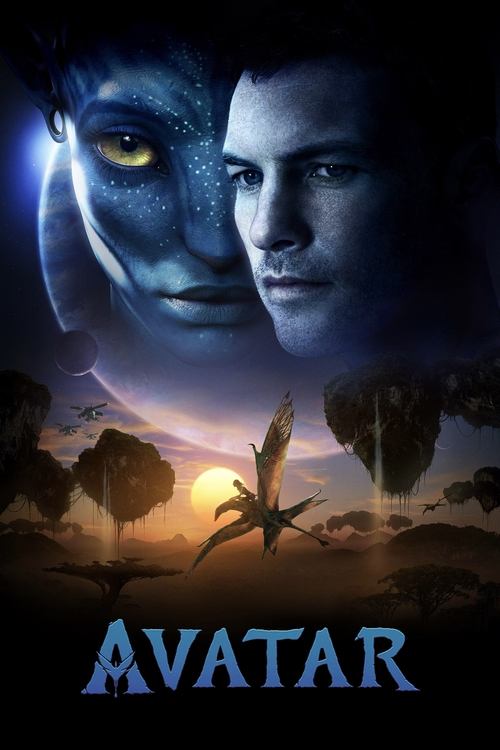
Avatar - Review
Avatar: A Visual Masterpiece with a Familiar Heart
James Cameron's Avatar, released in 2009, wasn't just a movie; it was a cultural phenomenon. It promised a cinematic experience unlike any other, and for many, it delivered. Years later, amidst technological advancements and a deluge of CGI-heavy blockbusters, does Avatar still hold up? Is it merely a spectacle, or does it possess the narrative depth to justify its enduring legacy? Let's dive into the lush world of Pandora and explore the film's triumphs and shortcomings.
Plot: A Familiar Tale, Reimagined
The story of Avatar centers around Jake Sully (Sam Worthington), a paraplegic former Marine who is offered the chance to participate in the Avatar Program. This program allows humans to remotely control genetically engineered bodies – Avatars – that resemble the Na'vi, the indigenous inhabitants of Pandora. Pandora is a resource-rich moon teeming with exotic flora and fauna, and the Resources Development Administration (RDA) seeks to mine unobtanium, a valuable mineral, from beneath the Na'vi's sacred Hometree.
Jake's mission is twofold: to gather intelligence on the Na'vi and to persuade them to relocate, paving the way for RDA's mining operations. He joins the scientific team led by Dr. Grace Augustine (Sigourney Weaver), who has been studying the Na'vi for years and advocates for peaceful coexistence. As Jake spends more time in his Avatar body, learning the Na'vi customs and bonding with Neytiri (Zoe Saldaña), a skilled hunter, he begins to question his allegiances and ultimately chooses to defend Pandora against the encroaching human threat.
The plot, at its core, is a familiar one. It echoes narratives like Dances with Wolves, Pocahontas, and even Ferngully: The Last Rainforest. The "outsider joins the indigenous people and ultimately sides with them against his own" trope is well-worn, and Avatar doesn't significantly deviate from this structure. However, Cameron elevates this familiar narrative with stunning visuals and a compelling emotional core.
Characters: Archetypes with Heart
While the characters in Avatar might not be the most groundbreaking in cinematic history, they are well-defined and serve their purpose within the narrative. Jake Sully's journey from disillusioned Marine to committed protector of Pandora is the emotional heart of the film. His initial motivation is purely self-serving – the promise of regaining the use of his legs – but through his experiences with the Na'vi, he undergoes a profound transformation. Sam Worthington delivers a solid performance, portraying Jake's initial cynicism and eventual conviction effectively.
Neytiri, played with grace and strength by Zoe Saldaña, is the quintessential strong female character. She embodies the Na'vi's connection to nature and serves as Jake's guide and love interest. Saldaña's performance captures Neytiri's fierce independence and deep compassion.
Colonel Miles Quaritch (Stephen Lang) is the archetypal villain, a hardened military man who sees the Na'vi as nothing more than obstacles to RDA's goals. Lang's portrayal is undeniably effective, making Quaritch a truly menacing and memorable antagonist. He represents the destructive forces of unchecked corporate greed and militarism.
Dr. Grace Augustine, portrayed by Sigourney Weaver, provides a counterpoint to Quaritch's aggression. She is a scientist driven by a genuine desire to understand and protect the Na'vi and Pandora's ecosystem. Weaver brings her signature gravitas to the role, adding depth and nuance to Grace's character.
Other supporting characters, such as Norm Spellman (Joel David Moore) and Trudy Chacón (Michelle Rodriguez), further enrich the world of Avatar. While some characters might feel somewhat underdeveloped, they contribute to the overall narrative and provide different perspectives on the conflict between humans and the Na'vi.
Direction: Cameron's Visionary Hand
James Cameron's direction is arguably the most significant factor in Avatar's success. He meticulously crafted every aspect of the film, from the design of the Na'vi and Pandora's flora and fauna to the groundbreaking visual effects. Cameron's attention to detail is evident in every frame, creating a truly immersive and believable world.
Cameron's experience in directing action-packed films is on full display in Avatar. The battle sequences are thrilling and visually stunning, showcasing the Na'vi's agility and resourcefulness against the technologically superior human forces. The film's pacing is generally well-managed, balancing moments of intense action with quieter, more introspective scenes.
However, some critics argue that Cameron's focus on visual spectacle overshadowed the narrative depth of Avatar. While the film is visually breathtaking, the plot's reliance on familiar tropes and the somewhat simplistic characterizations have been points of contention. Nevertheless, Cameron's ability to create a world that captivated audiences worldwide is undeniable.
Cinematography: A Visual Feast
The cinematography of Avatar is nothing short of revolutionary. Mauro Fiore's work, combined with the film's groundbreaking use of 3D technology, created a truly immersive and unforgettable cinematic experience. Pandora is brought to life in vibrant detail, with its bioluminescent forests, floating mountains, and exotic creatures.
The use of motion capture technology allowed the actors to fully embody their Na'vi characters, capturing subtle nuances in their expressions and movements. The seamless integration of CGI and live-action footage is a testament to the skill of the visual effects team.
The aerial shots of Pandora are particularly breathtaking, showcasing the scale and beauty of the landscape. The camera work effectively conveys the sense of wonder and awe that Jake Sully experiences as he explores this alien world.
While the 3D presentation was a major selling point upon the film's release, it's worth noting that Avatar remains visually stunning even in 2D. The depth and detail of the world are still apparent, and the film's visual impact is not solely dependent on the 3D technology.
Performances: Capturing the Essence of Pandora
The performances in Avatar are generally strong, with the actors effectively conveying the emotions and motivations of their characters. Sam Worthington delivers a convincing portrayal of Jake Sully's transformation, while Zoe Saldaña embodies Neytiri's strength and grace.
Stephen Lang's performance as Colonel Quaritch is particularly noteworthy. He brings a chilling intensity to the role, making Quaritch a truly memorable villain. Sigourney Weaver provides a steady and grounded performance as Dr. Grace Augustine, adding depth and nuance to her character.
While some critics have argued that the performances are somewhat overshadowed by the film's visual spectacle, the actors effectively capture the essence of their characters and contribute to the overall emotional impact of the film. The use of motion capture technology allowed the actors to fully inhabit their Na'vi roles, creating believable and engaging performances.
Themes and Messages: Environmentalism and Anti-Imperialism
Avatar explores several important themes, most notably environmentalism and anti-imperialism. The film portrays the Na'vi as a people deeply connected to nature, living in harmony with their environment. In contrast, the human corporation RDA is depicted as a destructive force, driven by greed and a disregard for the environment.
The film's environmental message is clear: the destruction of natural resources for profit has devastating consequences. Avatar serves as a cautionary tale about the importance of protecting our planet and respecting indigenous cultures.
The film also critiques imperialism and colonialism. The RDA's attempts to displace the Na'vi and exploit Pandora's resources mirror historical instances of colonization and the exploitation of indigenous populations. Avatar champions the right of indigenous peoples to self-determination and the preservation of their cultural heritage.
Beyond these core themes, Avatar also explores the themes of redemption, sacrifice, and the power of connection. Jake Sully's journey from self-serving Marine to protector of Pandora is a story of redemption, while the sacrifices made by the Na'vi and their allies highlight the importance of collective action.
Comparisons: Echoes of the Past
Avatar, despite its groundbreaking visuals, draws heavily from existing narratives. As mentioned earlier, it shares similarities with Dances with Wolves, Pocahontas, and Ferngully: The Last Rainforest. All these films explore the theme of an outsider joining an indigenous culture and ultimately siding with them against their own people.
The film also draws inspiration from science fiction classics like Star Wars and Alien. The RDA's military technology and the hostile environment of Pandora evoke the gritty, industrial aesthetic of these films.
Comparing Avatar to James Cameron's previous works, such as Aliens and Terminator 2: Judgment Day, reveals his consistent ability to blend action, spectacle, and social commentary. However, some critics argue that Avatar lacks the narrative complexity and character depth of his earlier films.
Despite its reliance on familiar tropes, Avatar distinguishes itself through its breathtaking visuals and its immersive world-building. The film's groundbreaking use of technology set a new standard for cinematic spectacle and inspired countless filmmakers.
Positive Aspects: A Visual Triumph
Avatar's greatest strength lies in its visual presentation. The film's groundbreaking use of CGI and 3D technology created a truly immersive and unforgettable cinematic experience. Pandora is a vibrant and believable world, filled with exotic flora and fauna.
The action sequences are thrilling and well-choreographed, showcasing the Na'vi's agility and resourcefulness. The film's pacing is generally well-managed, balancing moments of intense action with quieter, more introspective scenes.
The performances are solid, with the actors effectively conveying the emotions and motivations of their characters. The film's themes of environmentalism and anti-imperialism resonate with contemporary audiences.
Avatar's cultural impact is undeniable. The film sparked conversations about environmentalism, indigenous rights, and the role of technology in filmmaking. It also inspired countless works of art, literature, and video games.
Constructive Criticism: Narrative Shortcomings
Despite its many strengths, Avatar is not without its flaws. The plot, as mentioned earlier, relies heavily on familiar tropes and lacks significant originality. The characters, while well-defined, are somewhat archetypal and lack the complexity of more nuanced characters.
Some critics have argued that the film's environmental message is heavy-handed and preachy. The portrayal of the RDA as purely evil is somewhat simplistic and lacks nuance.
While the visual effects are stunning, some argue that they overshadow the narrative and character development. The focus on spectacle sometimes comes at the expense of deeper emotional engagement.
The film's length can also be a drawback for some viewers. At nearly three hours, Avatar requires a significant time commitment.
Conclusion and Rating
Avatar remains a visually stunning and culturally significant film, even years after its initial release. While its narrative might not be the most original, its groundbreaking visuals, solid performances, and timely themes make it a worthwhile cinematic experience. James Cameron's visionary direction and meticulous attention to detail created a world that captivated audiences worldwide and set a new standard for cinematic spectacle.
Despite its narrative shortcomings, Avatar's impact on filmmaking and its exploration of important social issues cannot be denied. It's a film that deserves to be seen, appreciated, and discussed.
Rating: 8.5/10