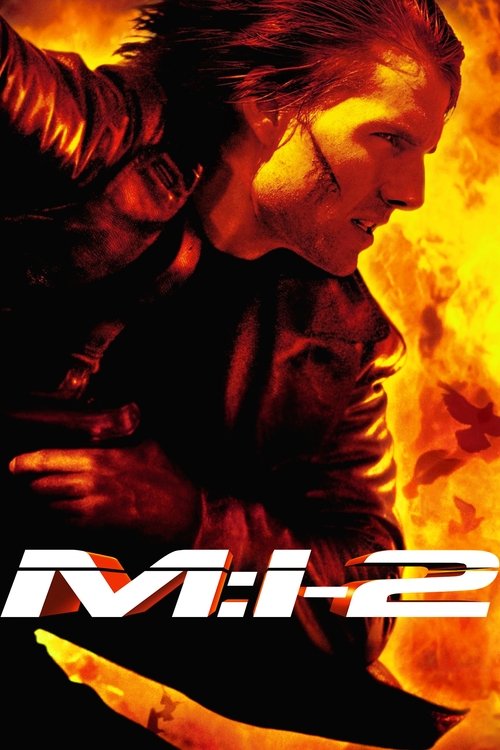
Mission: Impossible II - Review
Mission: Impossible II – A Symphony of Style Over Substance?
John Woo’s take on the Mission: Impossible franchise, Mission: Impossible II, arrived in 2000 with a bang, promising a spectacle of action, intrigue, and romantic tension. Starring Tom Cruise as the ever-resourceful Ethan Hunt, the film throws him into a deadly race against time to stop a rogue IMF agent from unleashing a devastating biological weapon. While visually stunning and undeniably entertaining, MI:2 has become a somewhat divisive entry in the series, often criticized for its departure from the intricate spycraft of the original and its reliance on stylized action sequences. Is it a worthy successor, or a flamboyant misstep? Let's dive in.
Plot: A Race Against the Chimera
The plot, while straightforward, serves as a vehicle for the film's impressive set pieces. Ethan Hunt is tasked with preventing Sean Ambrose (Dougray Scott), a former IMF agent turned rogue, from acquiring and unleashing "Chimera," a genetically engineered virus, and its antidote, "Bellerophon." Ambrose plans to profit immensely by releasing the virus and then selling the cure. To complicate matters, Hunt must enlist the help of Nyah Nordoff-Hall (Thandie Newton), a professional thief and Ambrose's former lover, to infiltrate Ambrose's organization. This sets the stage for a high-stakes game of cat and mouse, filled with double-crosses, close calls, and plenty of explosions.
The core narrative is relatively simple compared to the intricate plots of later Mission: Impossible films. It's a classic "stop the bad guy from unleashing a deadly weapon" scenario. While functional, the plot lacks the depth and complexity that characterized the original film's labyrinthine twists and turns. The reliance on convenient coincidences and predictable character arcs is a notable weakness.
The introduction of Nyah as a romantic interest feels somewhat forced and serves primarily to heighten the dramatic tension. Her character arc, while offering moments of vulnerability and strength, often feels secondary to Hunt's primary mission. The romantic subplot, while visually appealing, doesn't always feel organically integrated into the overall narrative.
Characters: Hunt, Ambrose, and Nyah
Ethan Hunt (Tom Cruise): Cruise embodies Ethan Hunt with his signature intensity and physicality. He's the quintessential action hero, capable of performing seemingly impossible feats. However, in MI:2, Hunt's character feels somewhat less nuanced compared to his portrayal in other installments. He's primarily defined by his unwavering commitment to his mission and his romantic feelings for Nyah. The depth of character exploration seen in later films is largely absent here.
Sean Ambrose (Dougray Scott): Ambrose is a compelling villain, exuding a cold and calculating demeanor. Scott delivers a convincing performance, portraying Ambrose as a ruthless and intelligent adversary. However, his motivations, while clear (profit-driven), lack the complexity and moral ambiguity that could have made him a truly memorable villain. He's essentially a caricature of a Bond villain, albeit a stylish one.
Nyah Nordoff-Hall (Thandie Newton): Newton brings a captivating presence to the role of Nyah. She's a skilled thief with a troubled past, caught between her loyalty to Hunt and her complicated relationship with Ambrose. Nyah adds a layer of intrigue and emotional depth to the film. However, her character is often relegated to being a damsel in distress, requiring Hunt's rescue on multiple occasions. While she demonstrates moments of agency, her overall impact on the plot feels somewhat limited.
Luther Stickell (Ving Rhames): Luther, returning from the first film, provides much-needed comic relief and technical expertise. His presence is always welcome, and Rhames delivers a reliably solid performance. However, his role is largely confined to providing support from afar, lacking the active participation he enjoys in later installments.
Direction: John Woo's Signature Style
Mission: Impossible II is undeniably a John Woo film. His signature directorial style is evident in every frame, from the slow-motion action sequences to the use of doves as a recurring motif. Woo's emphasis on stylized violence and operatic melodrama adds a distinct flavor to the franchise. However, this style also contributes to the film's perceived weaknesses. The focus on visual spectacle sometimes overshadows the narrative and character development.
Woo's use of slow-motion is both a blessing and a curse. While it creates visually stunning moments, it also slows down the pacing and can feel repetitive at times. The excessive use of gunplay and explosions, while exciting, can also become tiresome. The film often prioritizes style over substance, resulting in a visually impressive but narratively thin experience.
The direction also influences the character portrayals. Woo emphasizes the heroic image of Ethan Hunt, portraying him as an almost superhuman figure. This can detract from the character's relatability and complexity. Similarly, the villain, Sean Ambrose, is often presented as a larger-than-life figure, lacking the grounded realism that could have made him a more compelling antagonist.
Cinematography: A Visual Feast
The cinematography in Mission: Impossible II is undeniably stunning. The film is visually striking, with vibrant colors, dynamic camera angles, and breathtaking locations. The use of slow-motion and close-ups enhances the dramatic impact of the action sequences. The film's visual style is a major strength, elevating the overall viewing experience.
The locations, primarily in Australia and Spain, are beautifully showcased, adding to the film's visual appeal. The motorcycle chase sequence, in particular, is a masterclass in cinematography, capturing the speed and intensity of the action with breathtaking clarity. The use of natural light and vibrant colors creates a visually rich and immersive experience.
However, the reliance on visual effects occasionally detracts from the realism of the film. Some of the CGI, particularly in the action sequences, appears dated and unconvincing. While the cinematography is generally excellent, the over-reliance on visual effects is a minor flaw.
Performances: Cruise's Star Power
Tom Cruise delivers a charismatic and physically demanding performance as Ethan Hunt. He embodies the character with his signature intensity and commitment to performing his own stunts. While his performance may lack the emotional depth of his later Mission: Impossible portrayals, it's undeniably effective in conveying Hunt's unwavering determination and heroic spirit.
Dougray Scott delivers a solid performance as Sean Ambrose. He effectively portrays the character's cold and calculating demeanor, making him a believable and formidable antagonist. Thandie Newton brings a captivating presence to the role of Nyah, adding a layer of intrigue and emotional depth to the film. Ving Rhames provides reliable comic relief and technical expertise as Luther Stickell.
Overall, the performances are strong, with each actor effectively embodying their respective roles. However, the characters themselves are somewhat underdeveloped, limiting the actors' ability to fully explore their complexities.
Themes and Messages: Love, Betrayal, and Sacrifice
Mission: Impossible II explores several themes, including love, betrayal, and sacrifice. The romantic relationship between Ethan Hunt and Nyah Nordoff-Hall is a central element of the plot, highlighting the power of love to inspire courage and selflessness. The theme of betrayal is also prominent, as Hunt must confront a former colleague who has turned rogue.
The film also touches upon the dangers of unchecked ambition and the potential for scientific advancements to be used for destructive purposes. The Chimera virus serves as a symbol of the devastating consequences that can result from greed and a lack of ethical considerations.
Ultimately, the film's message is one of hope and resilience. Despite facing seemingly insurmountable odds, Ethan Hunt and his team persevere, ultimately defeating the villain and preventing the release of the virus. The film emphasizes the importance of teamwork, loyalty, and unwavering commitment to doing what is right.
Comparison to Other Films and Works
Mission: Impossible II is a significant departure from the original Mission: Impossible film, directed by Brian De Palma. While the original emphasized intricate spycraft and suspenseful plotting, MI:2 prioritizes stylized action and visual spectacle. The shift in tone and style is largely attributed to John Woo's directorial influence.
Compared to later Mission: Impossible films, MI:2 feels somewhat dated. The action sequences, while impressive for their time, lack the realism and grounded physicality of the stunts featured in later installments. The plot is also less complex and engaging compared to the intricate narratives of films like Mission: Impossible III and Mission: Impossible - Fallout.
The film also draws inspiration from other action films of the era, such as The Matrix and Face/Off. The stylized action sequences and the emphasis on visual effects are reminiscent of these films. However, MI:2 lacks the philosophical depth and originality that made these films so influential.
Positive Aspects
- Visually Stunning: The cinematography is exceptional, with breathtaking locations and dynamic camera angles.
- Exciting Action Sequences: The action sequences are well-choreographed and visually impressive, providing plenty of thrills.
- Charismatic Performances: Tom Cruise, Dougray Scott, and Thandie Newton deliver strong performances.
- John Woo's Signature Style: Woo's directorial style adds a unique flavor to the franchise.
- Good Pacing: Despite some slow-motion sequences, the film maintains a good pace overall.
Constructive Criticism
- Simplistic Plot: The plot lacks the depth and complexity of other Mission: Impossible films.
- Over-Reliance on Style: The emphasis on visual spectacle sometimes overshadows the narrative and character development.
- Underdeveloped Characters: The characters are somewhat underdeveloped, limiting the actors' ability to fully explore their complexities.
- Dated Visual Effects: Some of the CGI appears dated and unconvincing.
- Forced Romantic Subplot: The romantic relationship between Ethan Hunt and Nyah feels somewhat forced and unnecessary.
Conclusion
Mission: Impossible II is a visually stunning and undeniably entertaining action film. John Woo's signature directorial style adds a unique flavor to the franchise, and the action sequences are well-choreographed and exciting. However, the film's simplistic plot, over-reliance on style, and underdeveloped characters prevent it from reaching the heights of other Mission: Impossible installments. While it's not the strongest entry in the series, it remains a worthwhile viewing experience for fans of action films and Tom Cruise's star power.
Rating: 6.5/10