Encanto - Review
A Miracle Under Pressure: A Review of Disney's "Encanto"
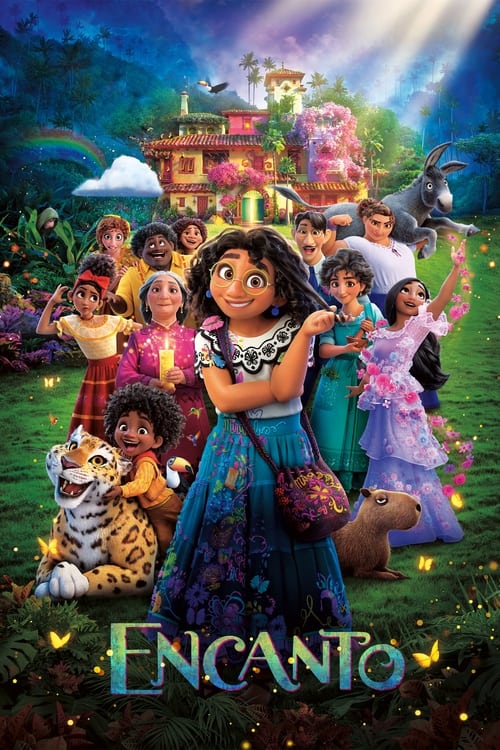
Disney's "Encanto," released in 2021, isn't just another animated musical; it's a vibrant, emotionally resonant exploration of family dynamics, generational trauma, and the pressure to live up to expectations. Set in the lush, magical landscape of Colombia, the film tells the story of the Madrigal family, each member blessed with a unique gift… except for Mirabel. But when the magic of the Encanto begins to fade, it's Mirabel, the seemingly ordinary one, who must step up to save her family and their enchanted home. "Encanto" is a visually stunning and musically captivating experience, but does it truly live up to the Disney legacy? Let's delve into the heart of this magical family and uncover its strengths and weaknesses.
Plot: A Fading Miracle and a Determined Protagonist
The film's plot centers around the Madrigal family, who, generations ago, were granted a miracle after Abuela Alma, the matriarch, lost her husband while fleeing conflict. This miracle manifested as a magical house, Casita, and extraordinary gifts bestowed upon each Madrigal child at the age of five. Mirabel, however, inexplicably receives no gift, leaving her feeling like an outsider in her own family. When Casita begins to crack and the family's powers start to weaken, Mirabel takes it upon herself to investigate the source of the problem.
The plot is well-paced, effectively balancing the fantastical elements with the grounded emotional core of the story. The initial setup clearly establishes the characters and their roles within the family, while the gradual unraveling of the Encanto's magic creates a compelling sense of urgency. Mirabel's journey is engaging, as she navigates her own insecurities and the expectations of her family while trying to understand the root cause of the Encanto's troubles.
However, the plot does suffer from moments of predictability. While the central mystery of the fading magic is intriguing, the ultimate resolution, while emotionally satisfying, feels somewhat rushed and convenient. The pacing in the final act could have benefited from more breathing room to fully explore the consequences of the family's actions and the impact of their newfound understanding. Additionally, certain subplots, such as Luisa's anxieties and Isabela's forced perfection, feel underdeveloped, leaving the audience wanting more exploration of their individual struggles.
Characters: A Family of Wonders and Wounds
"Encanto" boasts a rich ensemble of characters, each with their own unique personality and struggles. Mirabel, voiced with infectious enthusiasm by Stephanie Beatriz, is a relatable and endearing protagonist. Her determination and empathy shine through, making her a compelling figure to root for. She is imperfect, insecure, and often overlooked, which makes her eventual triumph all the more satisfying.
Abuela Alma, voiced by María Cecilia Botero, is a complex and nuanced character. While seemingly strict and demanding, her actions are driven by a deep-seated fear of losing the miracle and protecting her family. The film effectively portrays the trauma that shaped her into the person she is, allowing the audience to understand, if not condone, her actions. Her character arc, from a controlling matriarch to a more understanding and compassionate grandmother, is one of the most compelling aspects of the film.
The other Madrigal family members are equally well-developed. Luisa, with her super strength, carries the weight of the entire community on her shoulders, leading to crippling anxiety. Isabela, blessed with the ability to create beautiful flowers, feels trapped by the expectations of perfection. Julieta, Mirabel's mother, can heal with her cooking, but struggles to connect with her daughter. Pepa, Mirabel's aunt, controls the weather with her emotions, leading to chaotic and unpredictable outbursts. Bruno, Mirabel's uncle, can see the future, but his visions are often interpreted negatively, leading to his self-imposed exile. Each character represents a different facet of the pressures and expectations that families often place upon one another.
However, some characters feel less fleshed out than others. Agustín, Mirabel's father, while supportive and well-meaning, lacks a strong individual identity. Similarly, Félix, Pepa's husband, primarily serves as comedic relief. While these characters contribute to the overall dynamic of the family, they could have benefited from more depth and development.
Direction and Cinematography: A Feast for the Eyes and Ears
Directors Byron Howard and Jared Bush, along with co-director Charise Castro Smith, expertly craft a visually stunning and immersive world. The vibrant colors of Colombia, the intricate details of Casita, and the fantastical depictions of the Madrigal's powers are all brought to life with breathtaking animation. The film's visual style is a perfect blend of realism and fantasy, creating a world that feels both believable and magical.
The cinematography is equally impressive. The camera angles and movements are dynamic and engaging, drawing the viewer into the heart of the action. The use of light and shadow is particularly effective, creating a sense of depth and atmosphere. The film's visual storytelling is masterful, conveying emotions and information through visual cues rather than relying solely on dialogue.
The musical sequences are particularly well-directed, seamlessly blending animation, music, and choreography to create moments of pure cinematic magic. The songs are integrated into the narrative in a natural and organic way, enhancing the emotional impact of the story. The choreography is innovative and expressive, reflecting the unique personalities and powers of the characters.
One minor criticism is the occasional overuse of visual effects. While the animation is generally superb, some scenes feel overly reliant on CGI, which detracts from the overall sense of realism. However, these instances are relatively minor and do not significantly detract from the film's visual appeal.
Performances: A Vocal Ensemble That Shines
The voice acting in "Encanto" is exceptional across the board. Stephanie Beatriz delivers a standout performance as Mirabel, capturing the character's vulnerability, determination, and infectious enthusiasm. Her vocal performance is both nuanced and expressive, bringing Mirabel to life in a way that is both relatable and inspiring.
María Cecilia Botero delivers a powerful and nuanced performance as Abuela Alma. She effectively conveys the character's strength, vulnerability, and deep-seated fear, making her a complex and compelling figure. Her vocal performance is both commanding and compassionate, capturing the full range of Abuela Alma's emotions.
The supporting cast is equally strong. Diane Guerrero delivers a captivating performance as Isabela, capturing the character's forced perfection and underlying desire for freedom. Jessica Darrow provides a memorable performance as Luisa, conveying the character's anxiety and exhaustion with both humor and pathos. John Leguizamo delivers a quirky and endearing performance as Bruno, capturing the character's awkwardness and vulnerability.
The musical performances are also outstanding. The cast members not only deliver exceptional vocal performances but also imbue the songs with emotion and character. The soundtrack, composed by Lin-Manuel Miranda, is a highlight of the film, featuring catchy melodies, clever lyrics, and a diverse range of musical styles.
Themes and Messages: Family, Expectations, and Self-Acceptance
"Encanto" explores a number of important themes, including family dynamics, generational trauma, the pressure to live up to expectations, and the importance of self-acceptance. The film highlights the complexities of family relationships, showing how love and support can coexist with pressure and expectations.
The film also addresses the impact of generational trauma on families. Abuela Alma's past experiences have shaped her into a strict and controlling matriarch, and her actions have a ripple effect on the entire family. The film shows how acknowledging and addressing past traumas can lead to healing and understanding within families.
The pressure to live up to expectations is a central theme of the film. Each Madrigal family member feels the weight of their gift and the responsibility to use it for the benefit of the community. The film shows how this pressure can lead to anxiety, insecurity, and a sense of disconnect from one's true self.
Ultimately, "Encanto" is a story about self-acceptance. Mirabel, the only Madrigal without a gift, learns to embrace her ordinariness and recognize her own unique value. The film encourages viewers to accept themselves for who they are, flaws and all, and to find their own path in life, regardless of societal expectations.
The film's message of self-acceptance is particularly relevant for young audiences, who often face pressure to conform and meet unrealistic expectations. "Encanto" reminds viewers that true strength comes from within and that everyone has something valuable to offer the world, regardless of their perceived abilities or talents.
Comparison to Other Films: A Unique Blend of Familiar Elements
"Encanto" shares some similarities with other Disney animated films, particularly those that focus on family dynamics and cultural representation. Like "Coco," "Encanto" celebrates Latin American culture and traditions. Both films feature vibrant visuals, catchy music, and a strong emphasis on family.
The film also shares thematic similarities with "Moana," which also features a strong female protagonist who must overcome obstacles to save her community. Like Moana, Mirabel is a determined and resourceful young woman who challenges tradition and embraces her own unique path.
However, "Encanto" also distinguishes itself from other Disney films in several key ways. The film's focus on family dynamics and generational trauma is more nuanced and complex than in many other Disney films. The characters are more flawed and relatable, and the story is less reliant on traditional fairytale tropes.
The film's musical style is also unique, blending traditional Colombian music with contemporary pop influences. The soundtrack is both catchy and culturally authentic, adding depth and richness to the film's overall experience.
Positive Aspects and Constructive Criticism: A Balanced Perspective
Positive Aspects:
- Visually stunning animation and immersive world-building.
- Catchy and culturally authentic soundtrack by Lin-Manuel Miranda.
- Strong and relatable protagonist in Mirabel.
- Nuanced exploration of family dynamics and generational trauma.
- Excellent voice acting performances across the board.
- Positive message of self-acceptance and embracing individuality.
Constructive Criticism:
- Plot can feel predictable at times, particularly in the final act.
- Certain subplots and characters could be more fleshed out.
- Occasional overuse of visual effects.
- Resolution feels somewhat rushed and convenient.
Conclusion and Rating: A Magical Experience Worth Sharing
"Encanto" is a visually stunning, musically captivating, and emotionally resonant film that explores the complexities of family dynamics and the importance of self-acceptance. While the plot may suffer from moments of predictability and certain characters could be more developed, the film's strengths far outweigh its weaknesses. The animation is breathtaking, the music is infectious, and the voice acting is superb. "Encanto" is a welcome addition to the Disney canon and a must-see for families and animation enthusiasts alike.
Rating: 9/10