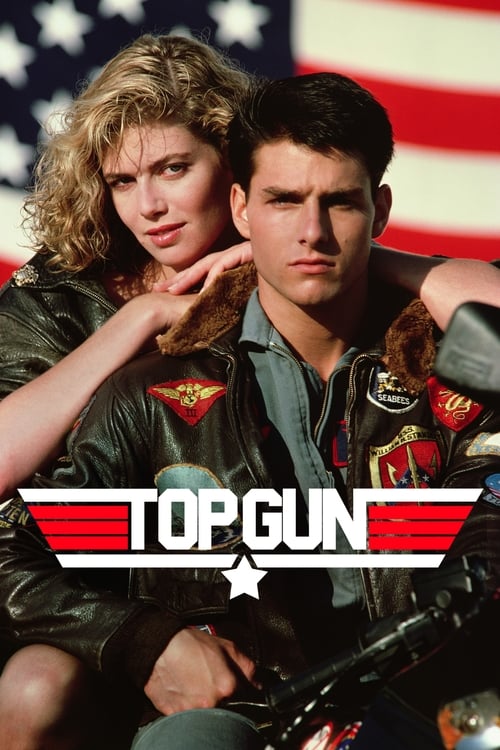
Top Gun - Review
Top Gun: A Need for Speed, a Thirst for Glory, and a Legacy Forged in the Sky
Few films capture the raw adrenaline and unbridled ambition of the 1980s quite like Top Gun. Released in 1986, Tony Scott's iconic action drama wasn't just a movie; it was a cultural phenomenon, a recruitment tool for the U.S. Navy, and a style guide for a generation. More than three decades later, Top Gun still resonates, its blend of high-octane aerial combat, romantic tension, and personal struggle proving timeless. But beyond the iconic soundtrack and unforgettable one-liners, does Top Gun hold up as a truly great film? Let's dive into the danger zone and find out.
Plot: A Soaring Ride Through Personal and Professional Challenges
The plot of Top Gun, while seemingly straightforward, is layered with compelling subplots. We're introduced to Lieutenant Pete "Maverick" Mitchell (Tom Cruise) and his radar intercept officer, Lieutenant Nick "Goose" Bradshaw (Anthony Edwards), a dynamic duo known for their unorthodox flying style and exceptional skill. Their acceptance into TOPGUN, the Navy's elite fighter pilot training program at Naval Air Station Miramar, sets the stage for a series of exhilarating aerial dogfights, intense rivalries, and simmering romances.
The film follows Maverick's journey as he navigates the pressures of the program, constantly battling for the top spot against his rival, Tom "Iceman" Kazansky (Val Kilmer), a cool and collected pilot who represents the epitome of traditional military discipline. Maverick's impulsive nature and disregard for the rules, while making him a brilliant pilot, also make him a liability in the eyes of his instructors, particularly Commander Mike "Viper" Metcalf (Tom Skerritt), a veteran of the Vietnam War.
The plot takes a dramatic turn when Goose is tragically killed during a training exercise. This event deeply affects Maverick, causing him to question his abilities and his future as a pilot. He grapples with guilt, self-doubt, and the pressure to live up to his father's legacy, a pilot who disappeared under mysterious circumstances during the Vietnam War. Maverick's relationship with Charlotte "Charlie" Blackwood (Kelly McGillis), a civilian astrophysicist and TOPGUN instructor, adds another layer of complexity to the narrative. Their forbidden romance is intertwined with Maverick's struggle to overcome his personal demons and regain his confidence. The climax sees Maverick facing his fears and proving his worth in a real-world engagement against enemy MiGs, ultimately solidifying his position as a top gun pilot and honoring Goose's memory.
Characters: Archetypes Elevated by Charisma and Conflict
Top Gun is populated with characters that, while bordering on archetypes, are brought to life by strong performances and well-defined motivations.
Maverick
Maverick is the quintessential rebellious hero, a talented but flawed individual who challenges authority and relies on his instincts. Tom Cruise embodies the character with effortless charisma, capturing Maverick's cockiness, vulnerability, and unwavering determination. His performance is central to the film's success, making Maverick relatable despite his sometimes reckless behavior. We see his struggle with grief and self-doubt after Goose's death, adding depth to what could have been a one-dimensional character.
Goose
Goose is the loyal and supportive best friend, providing comic relief and emotional grounding for Maverick. Anthony Edwards' portrayal of Goose is endearing and heartbreaking. His death serves as a pivotal moment in the film, forcing Maverick to confront his own mortality and the consequences of his actions. Goose's family life, including his wife Carole (Meg Ryan) and son, adds a layer of humanity to the otherwise high-octane world of fighter pilots.
Iceman
Iceman is the foil to Maverick, representing the disciplined and pragmatic approach to flying. Val Kilmer delivers a memorable performance as the cool and calculating rival, initially dismissive of Maverick's unorthodox methods. Their rivalry is a key element of the film's tension, culminating in a grudging respect and eventual alliance. Kilmer's subtle performance hints at a deeper understanding of Maverick's abilities, even as he criticizes his recklessness.
Charlie
Charlie is the intelligent and independent love interest, challenging Maverick both intellectually and emotionally. Kelly McGillis brings a certain gravitas to the role, portraying Charlie as a strong and capable woman who is not easily impressed. Their relationship is a blend of attraction and professional conflict, adding a layer of complexity to the romantic subplot. However, some critics argue that Charlie's character is underdeveloped and serves primarily as a plot device to further Maverick's character arc.
Viper
Viper is the experienced and respected instructor, serving as a mentor figure to Maverick. Tom Skerritt's performance is understated but effective, conveying Viper's authority and wisdom. His own experiences as a fighter pilot in Vietnam inform his perspective on Maverick's potential and his flaws. Viper's eventual revelation about his past connection to Maverick's father adds an unexpected emotional resonance to their relationship.
Direction and Cinematography: A Visual Symphony of Speed and Beauty
Tony Scott's direction in Top Gun is a masterclass in visual storytelling. He uses dynamic camera angles, rapid editing, and stunning aerial photography to create a sense of speed, excitement, and realism. The film's visual style is as much a character as any of the actors, immersing the audience in the world of fighter pilots.
The cinematography, primarily by Jeffrey L. Kimball, is breathtaking. The aerial sequences are expertly choreographed and beautifully shot, capturing the grace and power of the F-14 Tomcat. The use of natural light and silhouette shots adds to the film's visual appeal, creating iconic images that have become synonymous with the 1980s. The film's visual style is heavily influenced by music videos, which were gaining popularity at the time, contributing to its modern and energetic feel.
Scott's use of slow motion is particularly effective in highlighting key moments, such as the aerial dogfights and the aftermath of Goose's death. This technique allows the audience to fully appreciate the skill and danger involved in flying these high-performance aircraft. The film's visual language is consistent and impactful, creating a cohesive and memorable viewing experience.
Performances: A Cast That Soars
The performances in Top Gun are uniformly strong, with each actor bringing their own unique energy to their respective roles. Tom Cruise's star power is undeniable, and he delivers a charismatic and engaging performance as Maverick. His commitment to the role is evident in his physical presence and his ability to convey both Maverick's confidence and his vulnerability.
Val Kilmer's portrayal of Iceman is equally impressive, capturing the character's intelligence, competitiveness, and underlying respect for Maverick. Anthony Edwards provides a heartfelt and memorable performance as Goose, serving as the emotional core of the film. Kelly McGillis brings a certain sophistication to the role of Charlie, although her character is arguably less developed than the male leads.
The supporting cast, including Tom Skerritt, Michael Ironside (as Lieutenant Commander Rick "Jester" Heatherly), and John Stockwell (as Lieutenant Bill "Cougar" Cortell), all deliver solid performances, adding depth and texture to the film's ensemble.
Themes and Messages: Beyond the Need for Speed
While Top Gun is primarily an action film, it also explores several deeper themes and messages.
The Dangers of Recklessness vs. the Importance of Instinct
The film examines the tension between Maverick's impulsive and instinctive flying style and the more disciplined and calculated approach favored by Iceman. While Maverick's recklessness often gets him into trouble, it also allows him to achieve extraordinary feats. The film ultimately suggests that a balance between instinct and discipline is necessary to become a truly great pilot.
Overcoming Grief and Self-Doubt
Goose's death serves as a catalyst for Maverick's personal growth. He must confront his guilt and self-doubt in order to regain his confidence and continue flying. The film emphasizes the importance of resilience and the ability to learn from past mistakes.
The Importance of Teamwork and Camaraderie
Despite the intense competition between the pilots, Top Gun also highlights the importance of teamwork and camaraderie. The pilots rely on each other in the air, and they support each other through personal challenges. The film suggests that even the most talented individuals need the support of their peers to succeed.
The Legacy of Fathers and the Burden of Expectations
Maverick's struggle to live up to his father's legacy is a recurring theme throughout the film. He is haunted by the mystery surrounding his father's death and the pressure to prove himself worthy. The film explores the complex relationship between fathers and sons and the burden of expectations.
American Exceptionalism and Military Prowess
Top Gun is undeniably a patriotic film, celebrating the skill and dedication of the U.S. Navy's fighter pilots. The film reinforces the idea of American exceptionalism and the importance of military strength in maintaining global security. However, some critics argue that the film's portrayal of the military is overly romanticized and lacks nuance. This aspect is something that has been both praised and criticized over the years, especially in the context of evolving perspectives on military intervention and foreign policy.
Comparison to Other Films and Works
Top Gun can be compared to other military action films, such as An Officer and a Gentleman (1982) and The Right Stuff (1983). While An Officer and a Gentleman focuses more on the romantic relationship between a naval aviation cadet and a local factory worker, it shares Top Gun's emphasis on personal growth and overcoming adversity within a military context. The Right Stuff, on the other hand, is a more historical and realistic portrayal of the early days of the U.S. space program, but it also celebrates the bravery and skill of test pilots.
Tony Scott's previous work, such as The Hunger (1983), demonstrated his visual flair and his ability to create a stylish and atmospheric film. However, Top Gun was his breakthrough film, establishing him as a leading director of action movies. Tom Cruise's performance in Top Gun solidified his status as a major movie star, and he went on to star in a string of successful action films, including the Mission: Impossible franchise.
The influence of Top Gun can be seen in many subsequent action films, particularly those that emphasize visual spectacle and high-octane thrills. Films like Iron Eagle (1986) attempted to capitalize on Top Gun's success, but none have achieved the same level of cultural impact. More recently, films like Pacific Rim (2013) and even the Marvel Cinematic Universe have borrowed elements from Top Gun's visual style and its emphasis on teamwork and camaraderie.
Positive Aspects and Constructive Criticism
Top Gun has many positive aspects that contribute to its enduring appeal.
- Visually Stunning: The aerial sequences are breathtaking and expertly choreographed.
- Iconic Soundtrack: The film's soundtrack, featuring songs like "Danger Zone" and "Take My Breath Away," is instantly recognizable and perfectly complements the action.
- Charismatic Performances: Tom Cruise, Val Kilmer, and Anthony Edwards all deliver memorable performances.
- Engaging Plot: The film's combination of action, romance, and personal drama keeps the audience invested.
- Cultural Impact: Top Gun had a significant impact on popular culture, influencing fashion, music, and even military recruitment.
However, Top Gun is not without its flaws.
- Simplistic Plot: The plot, while engaging, is relatively straightforward and predictable.
- Underdeveloped Female Characters: Charlie's character, in particular, feels underdeveloped and serves primarily as a love interest for Maverick.
- Overly Romanticized Portrayal of the Military: The film's depiction of the military is somewhat idealized and lacks nuance.
- Dated Special Effects: While impressive for their time, the special effects now look somewhat dated compared to modern CGI.
Conclusion and Rating
Despite its flaws, Top Gun remains a highly entertaining and visually stunning film that has earned its place in cinematic history. Its iconic soundtrack, charismatic performances, and breathtaking aerial sequences continue to captivate audiences of all ages. While its plot may be simplistic and its portrayal of the military somewhat idealized, Top Gun's enduring appeal lies in its ability to capture the raw adrenaline, unbridled ambition, and personal struggles of a group of elite fighter pilots.
Top Gun is a classic of the 1980s and a must-see for fans of action films. It's a film that you can watch again and again, always finding something new to appreciate. For its visual spectacle, memorable characters, and cultural impact, I give Top Gun a solid:
Rating: 8.5/10